Sudan's protracted conflict continues to cast a shadow over its path to development, posing significant obstacles to achieving its aspirations for economic growth and stability. As the country grapples with internal strife, it faces the challenge of balancing immediate needs with long-term goals.
The Conflict’s Impact on Infrastructure
The ongoing conflict in Sudan has severely damaged the country's infrastructure, including roads, bridges, and public buildings. This destruction not only hampers daily life but also makes it difficult for the government to implement much-needed development projects. The lack of reliable transportation and communication networks slows down commerce and trade, further impeding economic progress.
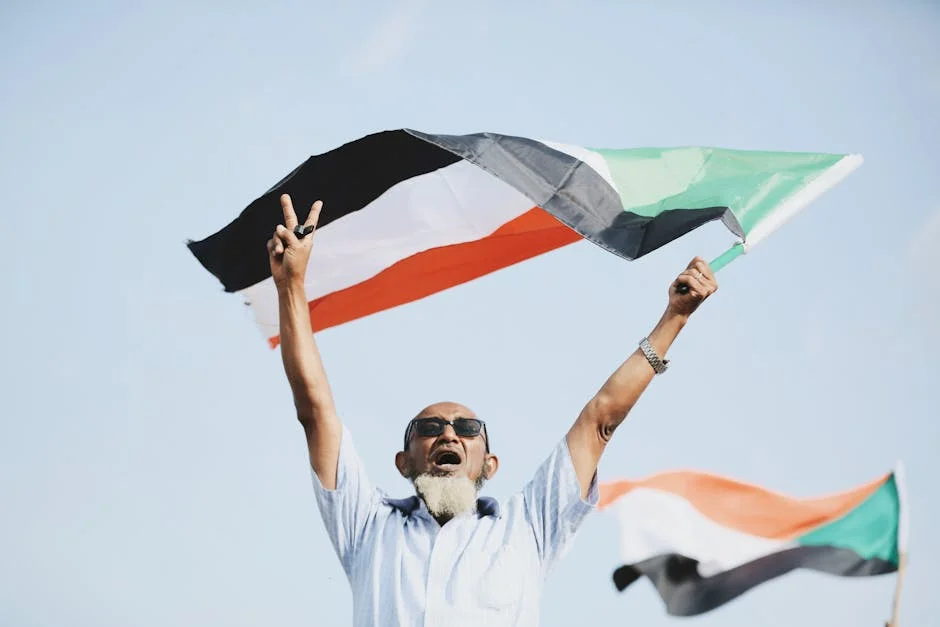
Infrastructure development is crucial for Sudan's future, as it directly affects the ability of citizens to access essential services such as healthcare and education. The current state of disrepair means that many Sudanese face significant barriers to accessing these basic necessities, which in turn impacts their overall quality of life and ability to participate fully in the economy.
Economic Challenges and Opportunities
The economic landscape in Sudan is complex, with both challenges and potential for growth. The country's oil reserves and agricultural wealth offer substantial opportunities for economic diversification and increased revenue. However, the conflict has disrupted these industries, leading to decreased production and export volumes.
Moreover, the Sudanese pound has faced significant devaluation due to political instability and fluctuating global commodity prices. This has made it harder for businesses to operate and for families to afford basic goods. Despite these difficulties, there is hope that once peace is restored, Sudan can leverage its natural resources to drive economic recovery and attract foreign investment.
Healthcare and Education Struggles
The healthcare system in Sudan has been severely strained by the conflict, with many medical facilities damaged or understaffed. This has led to a shortage of essential medicines and equipment, making it challenging for patients to receive adequate care. Additionally, the disruption of supply chains means that even when healthcare resources are available, they may not reach those who need them most.
In the realm of education, the conflict has forced many schools to close temporarily, disrupting children's learning and development. While efforts are being made to reopen institutions and provide catch-up classes, the long-term impact on educational attainment remains a concern. Access to quality education is vital for nurturing the skills and knowledge needed for future generations to contribute to Sudan's development.
Governance and Political Stability
The quest for political stability is central to Sudan's journey towards development. The current leadership faces the dual task of managing the ongoing conflict while also implementing reforms that will set the stage for sustained growth. Effective governance is key to unlocking Sudan's full potential, as it influences everything from fiscal policy to social welfare programs.
Achieving lasting peace requires inclusive dialogue and compromise between the various factions involved. A stable political environment would allow for more consistent implementation of policies, attracting both domestic and international investors. It would also create a sense of security that encourages innovation and entrepreneurship, vital components of a thriving economy.
Regional Integration and Pan-African Goals
Sudan plays a pivotal role in the broader context of African development, given its strategic location and rich cultural heritage. Its participation in regional initiatives and partnerships is crucial for advancing shared goals such as free trade zones and cross-border infrastructure projects.
As part of the African Union, Sudan has the opportunity to collaborate with other member states on issues ranging from healthcare standards to educational exchange programs. By fostering stronger ties within the continent, Sudan can benefit from the collective strengths of its neighbours, enhancing its own prospects for prosperity and stability.
Conclusion: Pathways Forward
Despite the challenges posed by the ongoing conflict, Sudan holds immense potential for growth and development. By focusing on rebuilding infrastructure, stabilising the economy, improving healthcare and education, and strengthening governance, the country can move closer to achieving its development goals. With support from both within Sudan and across Africa, the nation can overcome its current obstacles and emerge as a beacon of progress on the continent.