The ongoing conflict in Sudan shows no signs of abating, with both government forces and rebel groups holding firm to their positions. This protracted struggle not only disrupts daily life for millions but also poses significant challenges to the broader African continent's development goals.
Sudan Conflict Enters Critical Phase
The latest round of fighting in Sudan began in April 2023, when the Sudanese army launched an attack against the paramilitary Rapid Support Forces (RSF). Since then, the conflict has escalated, leading to widespread destruction and a humanitarian crisis that has forced over a million people to flee their homes.
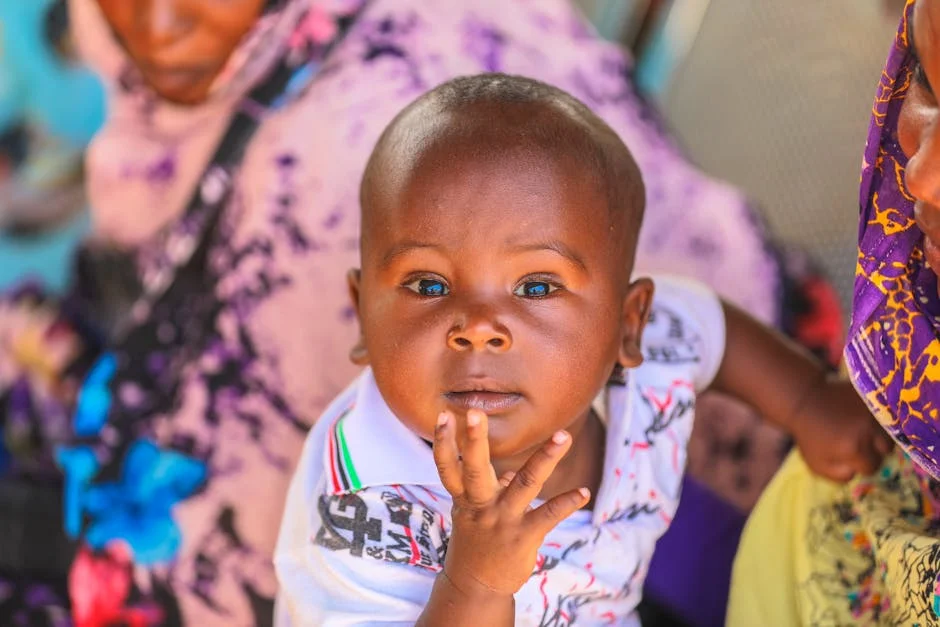
Both sides have expressed a desire for peace, yet the negotiations have been marked by setbacks and delays. The international community, including the United Nations and the African Union, have been working tirelessly to mediate and find a resolution to the conflict.
Impact on Sudan’s Development Goals
The conflict is a major setback for Sudan’s development aspirations, which include improving infrastructure, healthcare, and education. Schools and hospitals have been damaged or destroyed, and essential services have been disrupted. According to the World Bank, the conflict has cost Sudan around $2 billion in lost economic activity.
Furthermore, the conflict has diverted resources from crucial development projects, such as the construction of dams and roads, which were intended to boost the country’s economic growth and improve living standards.
African Unity and Regional Stability at Stake
The situation in Sudan is closely watched across the African continent, as it highlights the importance of regional stability and cooperation. Sudan’s neighbours, particularly Egypt and Ethiopia, have a vested interest in the outcome of the conflict due to shared water resources and border disputes.
The conflict also serves as a reminder of the interconnectedness of African nations and the need for strong governance and effective leadership to address shared challenges. As Sudan grapples with its internal strife, it underscores the broader challenges faced by many African countries in achieving sustainable development and political stability.
Economic Implications for Sudan and Beyond
The economic impact of the conflict extends beyond Sudan’s borders, affecting trade and investment flows in East Africa. Sudan is a key transit point for goods moving between landlocked countries and coastal ports. Disruptions to this trade route can have ripple effects on neighbouring economies.
Nigeria, Africa’s largest economy, has already felt the impact, as disruptions in Sudan affect the flow of goods and services through the region. Nigerian businesses and consumers may face higher prices and supply chain issues as a result of the ongoing conflict.
Hope for Resolution and Future Opportunities
Despite the challenges, there remains hope for a peaceful resolution to the conflict. Recent talks have shown progress, with both sides agreeing to certain terms. If successful, this could pave the way for renewed investment in Sudan and the resumption of development projects that were put on hold.
The conflict also presents an opportunity for African leaders to demonstrate their commitment to regional solidarity and support for each other’s development goals. By coming together to find a solution for Sudan, they can set an example for how to overcome similar challenges across the continent.