Staffordshire Moorlands District Council has allocated £5 million to fund green community initiatives, including renewable energy projects and urban greening schemes, as part of its 2024 sustainability strategy. The move, announced in March 2024, aims to reduce carbon emissions and enhance local resilience to climate change. While the funding is targeted at UK communities, its implications for African development goals—particularly in energy access, climate adaptation, and sustainable urbanization—have sparked debate among experts.
Green Initiatives in Staffordshire: A Model for Africa?
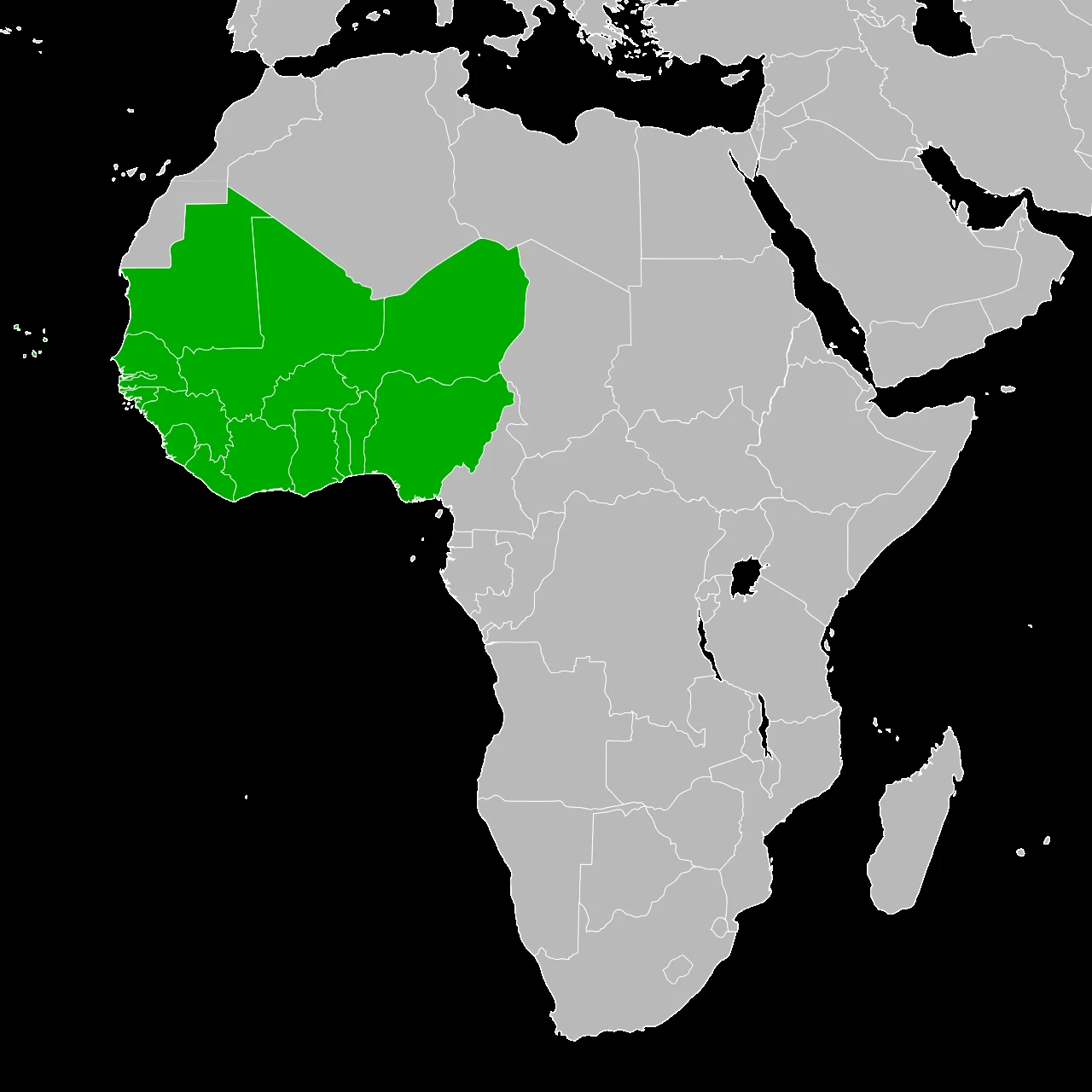
The council’s funding prioritizes solar panel installations, tree-planting drives, and community-led waste reduction programs. These projects align with the UK’s net-zero targets but also highlight opportunities for knowledge exchange with African nations facing similar environmental challenges. For instance, Kenya’s recent push for solar energy and Nigeria’s urban greening campaigns could benefit from collaborative frameworks inspired by Staffordshire’s model.
“Decentralized green funding can empower communities to tackle local issues while contributing to global climate goals,” said Dr. Amina Okoro, a climate policy analyst at the African Institute for Development. “However, African countries must adapt such models to address unique challenges like funding gaps and infrastructural deficits.”
Funding Mechanisms and African Development Challenges
Staffordshire’s funding comes from a mix of local taxes, national grants, and private sector partnerships. In contrast, many African nations rely heavily on external aid and volatile donor funds, which often lack long-term stability. This disparity underscores the need for innovative financing mechanisms, such as green bonds or public-private partnerships, to support sustainable projects across the continent.
The African Development Bank (AfDB) reports that only 2% of global climate finance flows to sub-Saharan Africa, despite the region’s vulnerability to climate shocks. “If Staffordshire can mobilize £5 million locally, why can’t African governments prioritize similar investments?” questioned Kwame Mensah, an AfDB economist. “The answer lies in governance, transparency, and the political will to align funding with development priorities.”
Lessons for Nigeria’s Energy and Climate Policies
Nigeria, Africa’s largest economy, faces a dual challenge: energy poverty and climate vulnerability. Over 40% of its population lacks reliable electricity, while frequent floods and droughts threaten food security. Staffordshire’s focus on community-driven green projects offers a blueprint for Nigeria to decentralize energy solutions, such as solar microgrids, and involve local stakeholders in climate adaptation efforts.
“Nigeria’s National Renewable Energy and Energy Efficiency Policy (2015) is ambitious, but implementation lags due to bureaucratic hurdles and funding shortfalls,” said Prof. Zainab Ali, a Nigerian energy expert. “Partnerships with UK councils or other global entities could bridge this gap, provided there is a clear framework for accountability and impact measurement.”
What’s Next for African Green Financing?
The Staffordshire case highlights the potential of localized green funding but also exposes systemic barriers in Africa. To replicate such successes, African nations must strengthen institutional capacity, diversify funding sources, and prioritize projects that address both environmental and socio-economic needs. Regional collaborations, such as the African Union’s Green Recovery Plan, could amplify these efforts.
As global climate finance remains uneven, African leaders must advocate for equitable funding mechanisms while leveraging innovative models from regions like Staffordshire. The key lies in adapting foreign strategies to local contexts, ensuring that green initiatives drive inclusive growth and resilience across the continent.