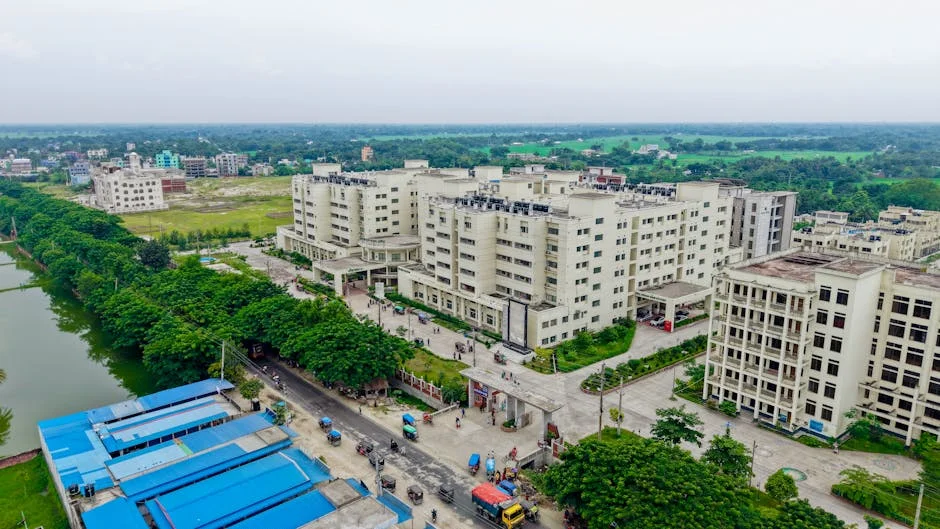
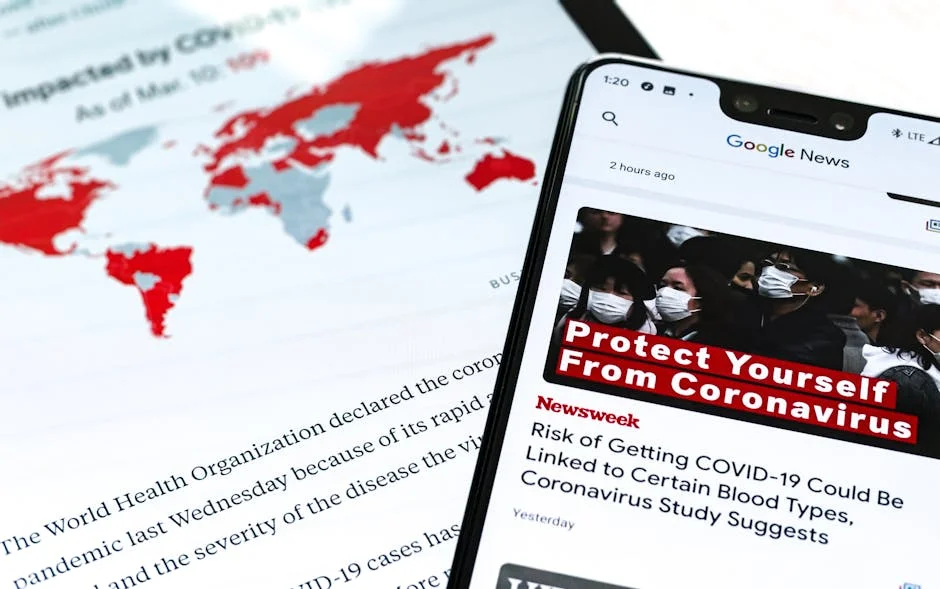
South Sudan's health system is in crisis, with reports indicating a devastating collapse as of October 2023. Key medical facilities across the country, particularly in urban areas, are struggling to provide even the most basic care, raising alarm bells across the continent.
Desperation in Healthcare: A Nation's Collapse
In South Sudan, the health system is effectively 'dead on arrival,' characterised by severe shortages of medical supplies, qualified personnel, and essential infrastructure. Hospitals are being forced to turn away patients, while healthcare workers are leaving the profession due to inadequate pay and poor working conditions. Recent data from the World Health Organization (WHO) indicates that 60% of health facilities are non-functional, leaving millions of South Sudanese without access to necessary medical services.
Cross-Border Consequences: Kenya and Beyond
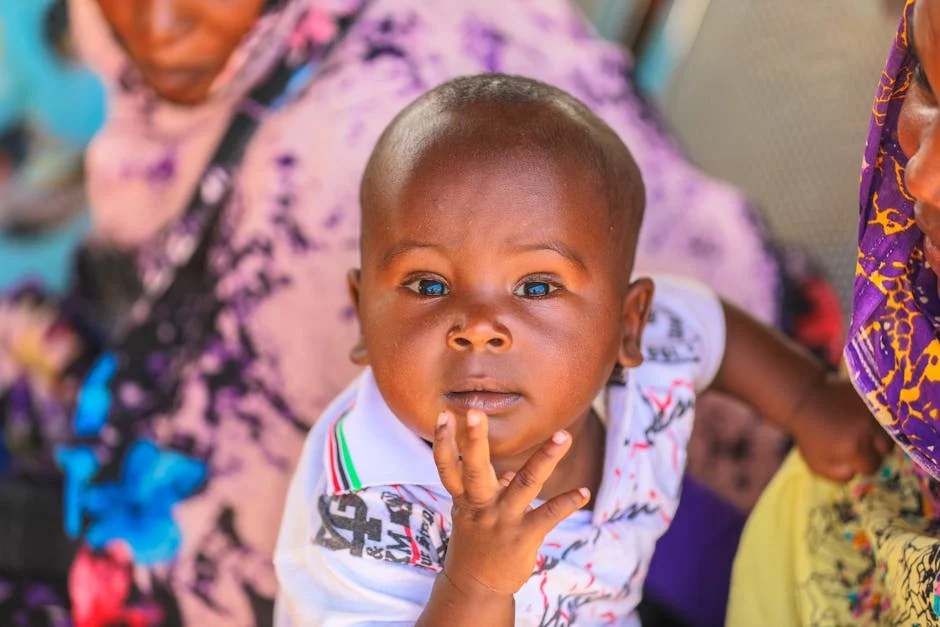
The implications of South Sudan's crumbling health system extend beyond its borders, particularly affecting neighbouring Kenya. As refugees flood into Kenya seeking medical care, the strain on Kenyan hospitals has increased significantly. The Kenyan government has been forced to allocate additional resources to accommodate this influx, which has led to rising healthcare costs. This situation exemplifies how South Sudan developments explain the interconnectedness of health crises in the region and how South Sudan affects Nigeria's stability and resource allocation.
Health Crisis and African Development Goals
This health crisis is a direct contradiction to the African Union's Agenda 2063 and the United Nations' Sustainable Development Goals (SDGs), particularly Goal 3, which aims to ensure healthy lives and promote well-being for all. South Sudan's inability to provide basic health services impacts not only its citizens but also hinders regional economic growth and stability. The continent's aspiration for universal health coverage appears increasingly unattainable in light of such failures.
International Response: Aid and Governance Challenges
International aid agencies and non-governmental organisations have attempted to step in, but the ongoing conflict and political instability have complicated these efforts. Humanitarian organisations warn that without effective governance and a stable political environment, aid may not reach those who need it most. The lack of transparency and corruption within the South Sudanese government further exacerbates the situation, making it difficult for international partners to effectively assist.
Looking Ahead: What Should Be Done?
As the situation unfolds, it is imperative that both regional and international stakeholders take action to address the health crisis in South Sudan. This includes investing in healthcare infrastructure, training medical personnel, and creating policies that promote good governance and accountability. The recent developments in South Sudan serve as a stark reminder that health is intertwined with development, and any progress towards the continent's goals is contingent upon a functioning healthcare system.