South Africa is bracing for the impact of the Epic Fury storm, expected to make landfall in early February 2023, bringing heavy rains and severe winds. The storm poses significant risks not only to local communities but also has implications for regional stability amidst ongoing geopolitical tensions surrounding Israel.
Storm's Path: An Overview of the Threat
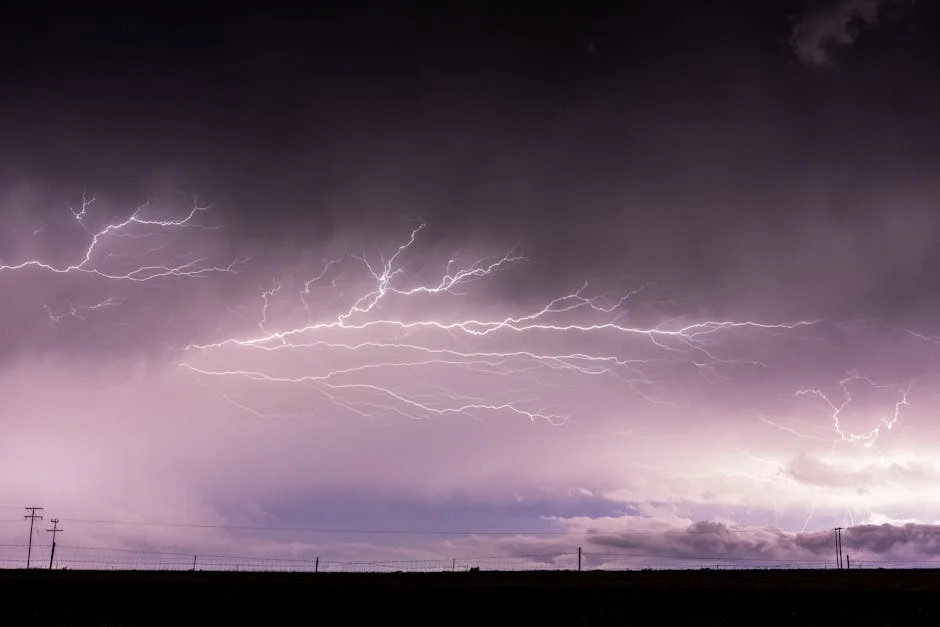
The Epic Fury storm is forecasted to hit South Africa's eastern coastline, particularly affecting areas such as KwaZulu-Natal and the Eastern Cape. Meteorological experts predict that the storm could result in widespread flooding, power outages, and disruptions to transport networks. The South African Weather Service has issued alerts urging residents to prepare for the onslaught, with emergency services on high alert.
Geopolitical Tensions: The Israel Connection
While the storm looms, the diplomatic landscape in Africa is being shaped by the ongoing conflict in Israel. The situation has drawn attention from various stakeholders, including the United States, which has reiterated its support for Israel amidst global outcry. This geopolitical backdrop may affect how African nations, including South Africa, respond to both humanitarian crises and regional security challenges.
Why This Matters for Nigeria and the Region
The ramifications of the storm and the geopolitical tensions extend beyond South Africa, particularly for Nigeria. As Nigeria continues to grapple with its own set of challenges, including economic instability and security threats, the situation in South Africa underscores the interconnectedness of African nations. How South Africa manages the storm's impact could provide insights into disaster response strategies that Nigeria and other nations might adopt in the face of natural calamities.
Infrastructure and Governance: Challenges Ahead
The impending storm raises questions about South Africa's infrastructure resilience and governance. Historically, the country has faced criticism for its preparedness for natural disasters. As floodwaters rise, the effectiveness of local and national government responses will be under scrutiny. This situation could serve as a crucial test of governance capacities and public trust, impacting long-term development goals across the continent.
Opportunities for Regional Cooperation
Despite the immediate challenges posed by the storm and geopolitical tensions, there lies an opportunity for African countries to collaborate on disaster preparedness and response. A unified approach could enhance infrastructure resilience across the continent, aligning with the African Union's Agenda 2063 development goals. The situation presents a chance for nations to learn from each other, fostering a spirit of solidarity in the face of adversity.
Looking Ahead: What to Watch For
As South Africa prepares for the storm, the world will be watching closely. The outcomes of this natural disaster, combined with the ongoing geopolitical climate surrounding Israel, could significantly impact regional dynamics. Stakeholders should monitor recovery efforts, infrastructure resilience, and the broader implications for governance in South Africa, as these factors may have lasting effects throughout the continent.