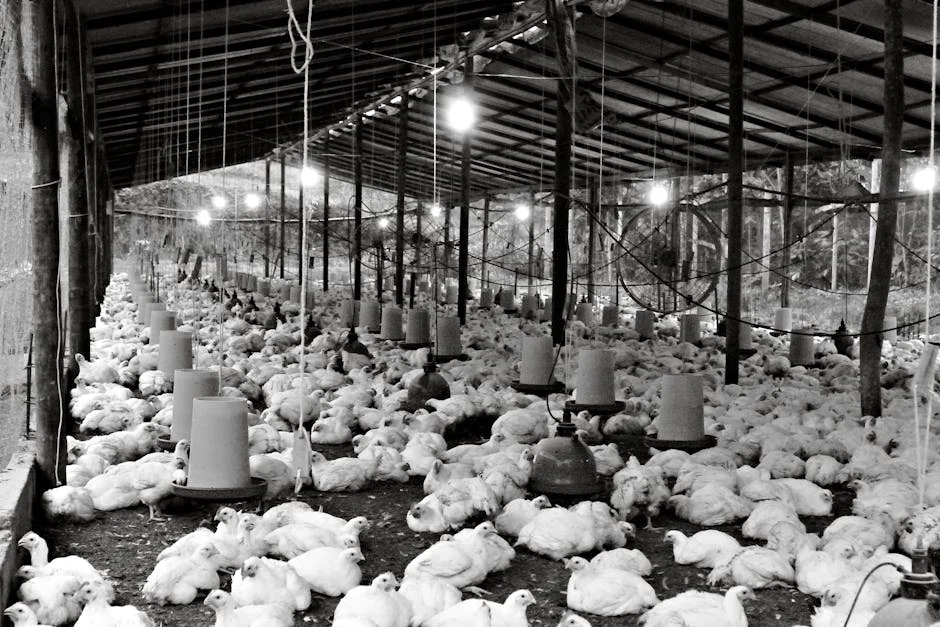
Rainbow Chicken, one of Nigeria’s leading poultry producers, has announced that its earnings have doubled due to higher demand, marking a significant milestone for the company and the broader Nigerian agricultural sector. This growth is seen as a positive indicator for the country's food security and economic development.
Understanding the Doubling of Earnings
Rainbow Chicken, founded in 2008, has been a key player in Nigeria’s poultry industry, providing affordable chicken products across the country. The company’s recent financial report reveals that its earnings have more than doubled compared to the previous year. This surge can be attributed to increased domestic consumption and improved production efficiencies. The company attributes part of its success to strategic investments in technology and infrastructure, which have enhanced its operational capacity and reduced costs.
The Role of Higher Demand
The increase in demand for poultry products in Nigeria is multifaceted. Rising disposable incomes among consumers have led to a greater appetite for protein-rich foods, making chicken a popular choice. Additionally, the government’s initiatives to boost local food production and reduce imports have also played a crucial role. These factors combined have created a robust market environment for Rainbow Chicken to thrive.
economy-business · Rainbow Chicken Doubles Earnings, Signals Growth in Nigerian Agriculture
Impact on Food Security and Economic Growth
Rainbow Chicken's growth is not just a win for the company but also for Nigeria's food security and economic development. By increasing its production capacity, the company is contributing to the availability of locally produced food, thereby reducing reliance on imported goods. This not only stabilises prices but also supports the local economy by creating jobs and generating revenue.
Challenges and Opportunities in the Poultry Industry
While the growth of Rainbow Chicken is encouraging, the Nigerian poultry industry still faces several challenges. Issues such as disease outbreaks, inadequate infrastructure, and fluctuating feed prices continue to pose risks. However, the company's success provides an opportunity for other players in the industry to follow suit. With continued investment in research and development, and supportive policies from the government, the potential for sustainable growth remains high.
Broader Implications for African Development
The success story of Rainbow Chicken aligns with broader African development goals, particularly those outlined in the African Union’s Agenda 2063. This initiative aims to promote inclusive and sustainable growth across the continent. By focusing on local food production and improving agricultural practices, Nigeria and other African countries can work towards achieving self-sufficiency in food production and enhancing regional trade.
Looking Ahead: What to Watch Next
As Rainbow Chicken continues to expand, stakeholders will be watching closely to see how the company scales up its operations without compromising on quality or sustainability. Additionally, the government's role in supporting the industry through policy reforms and infrastructure development will be critical. As the poultry sector grows, it could serve as a model for other sectors in Nigeria and Africa, highlighting the potential for local businesses to drive economic growth and contribute to national development goals.