In a surprising move, President Vladimir Putin has convened a meeting with war veterans to bolster police forces, signalling a strategic shift in Russia’s internal security approach. This decision comes amid ongoing domestic challenges and rising tensions, raising questions about its implications beyond Russian borders, particularly in Africa.
Putin's Unconventional Strategy to Strengthen Security
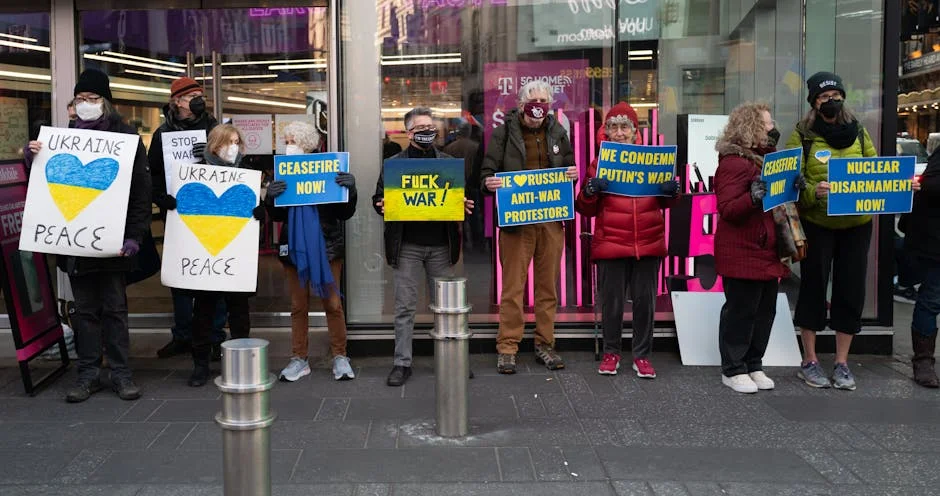
On October 20, 2023, President Putin announced the initiative to engage veterans of Russia’s military conflicts, asking them to join police ranks in a bid to enhance law enforcement capabilities. The Kremlin's rationale is rooted in the belief that these veterans possess valuable experience and discipline that can aid in maintaining public order in an increasingly volatile environment. This decision follows a series of protests in Russia, highlighting the need for a more robust domestic security apparatus.
Historical Context: A Legacy of Militarisation
Russia has a long history of militarisation, with veterans often seen as a source of national pride and authority. However, integrating military veterans into civilian policing raises concerns about the potential for authoritarian practices. This development not only reflects Russia's internal dynamics but also resonates with several African nations facing similar challenges of governance and security. As many African countries grapple with security issues stemming from civil unrest or insurgency, Putin's approach may offer lessons or warnings for African leaders.
The Continental Perspective: Implications for African Governance
The situation in Russia presents a critical point of reflection for African nations. Countries such as Nigeria, which have experienced their own share of unrest and security crises, must consider the implications of militarising policing forces. The Nigerian government, for instance, has been accused of using excessive force in maintaining order, a tactic that has often led to a breakdown of trust between the populace and law enforcement. As President Putin seeks to strengthen police capabilities through military integration, Nigeria and other African countries must evaluate their governance strategies and the balance between security and civil liberties.
Development Goals at Risk: The Fragile Balance of Security and Rights
The African Union (AU) has set ambitious development goals aimed at fostering peace, stability, and human rights across the continent. The militarisation of police forces could jeopardise these objectives, particularly if governments prioritise security over civil liberties. Experts warn that adopting Russia’s model may trigger a trend of increased violence and repression in Africa, undermining years of progress in democratic governance and human rights advocacy.
Opportunities for Collaboration and Learning
Despite the potential risks, there is an opportunity for African leaders to engage in dialogue regarding effective security strategies. Learning from Russia’s experiences, they can devise policies that prioritize not just security but also community engagement and human rights. Collaborating with international partners and civil society can contribute to building a more balanced approach to governance that aligns with African development goals.
What to Watch For Next: Global Reactions and Local Responses
As Putin's initiative unfolds, international observers will closely monitor the reactions from both domestic and foreign entities. In Nigeria, civil society organisations may respond with calls for transparency and accountability in security operations. The broader implications for African governance and development will depend on how leaders choose to navigate the delicate balance between ensuring security and upholding democratic values.