Portugal seized 20% more cocaine in 2025 compared to the previous year, marking a significant increase in the amount of the drug intercepted by authorities. This surge in cocaine seizures highlights the country's ongoing role as a key transit point for South American narcotics bound for Europe and beyond.
Cocaine Seizures on the Rise
The latest statistics from Portugal’s customs and border control agencies show that over 30 tonnes of cocaine were confiscated in 2025, up from approximately 25 tonnes in 2024. This substantial increase is attributed to improved detection methods and enhanced international cooperation in combating drug trafficking.
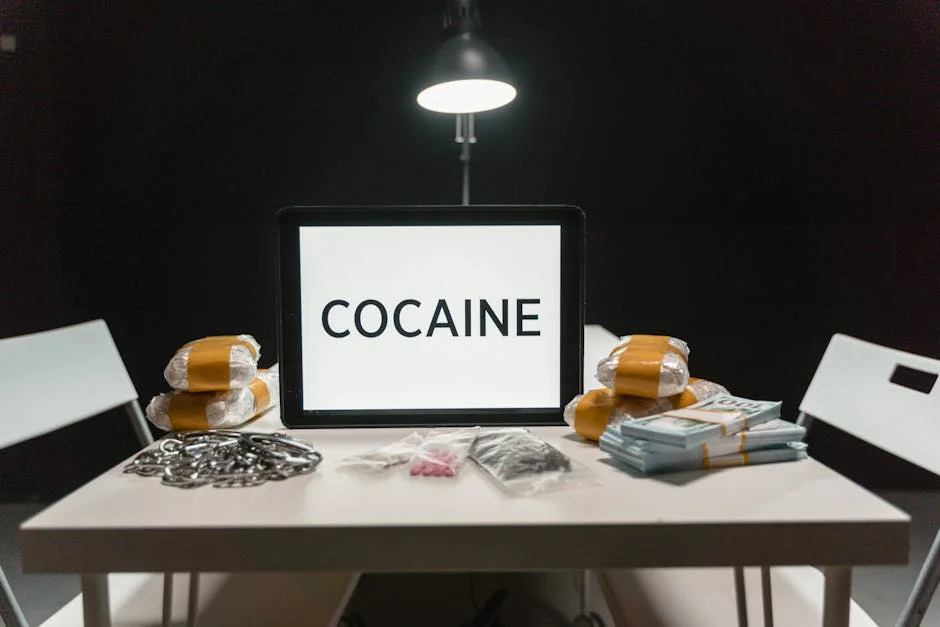
Portugal's strategic location along major shipping routes makes it an ideal hub for drug smugglers, with many shipments originating from Latin America and destined for various European countries. The increased seizures indicate that traffickers are still heavily reliant on this route despite heightened vigilance.
Implications for Africa
While the rise in cocaine seizures in Portugal may seem distant from the African continent, it has important implications for the region. Many African nations, particularly those in West and Southern Africa, have long been used as transit points for drugs moving between South America and Europe.
The prominence of Portugal as a transit point underscores the interconnectedness of global drug trade networks, which often intersect with African economies. This interdependence can affect Africa's development goals, including its efforts to improve infrastructure, healthcare, and education. For instance, the revenue generated from drug trafficking can sometimes fund infrastructure projects but also contribute to corruption and instability.
Nigeria's Connection to Portugal
Nigeria, Africa’s most populous nation and one of its largest economies, has a unique relationship with Portugal that extends beyond just the drug trade. The two countries share historical ties and cultural connections, and there is significant economic activity between them, especially in areas such as finance, technology, and tourism.
However, the drug trade plays a crucial role in shaping the dynamics between these nations. As Portugal continues to intercept more cocaine, it reduces the amount that might pass through Nigeria and other African ports. This could have both positive and negative effects on Nigeria's economy, impacting sectors such as transportation, warehousing, and local trade.
African Development Goals and Challenges
The increased cocaine seizures in Portugal highlight some of the broader challenges faced by African countries in achieving their development goals. These include the need to strengthen governance, reduce corruption, and improve economic diversification.
African nations often face difficulties in controlling their borders effectively, making them susceptible to drug trafficking and other forms of illegal trade. By enhancing their border security and customs operations, African countries can not only curb drug smuggling but also generate additional revenue and create jobs.
Opportunities for Collaboration
The situation in Portugal presents several opportunities for collaboration between African nations and European partners like Portugal. Through joint initiatives and shared resources, African countries can work towards improving their own drug interception capabilities and benefit from Portugal’s expertise in border management and law enforcement.
This collaboration can also extend to other areas such as education and healthcare, where Portugal can provide support to African nations in building stronger institutions and training professionals. Such partnerships can help African countries achieve their development objectives and foster greater regional stability and prosperity.