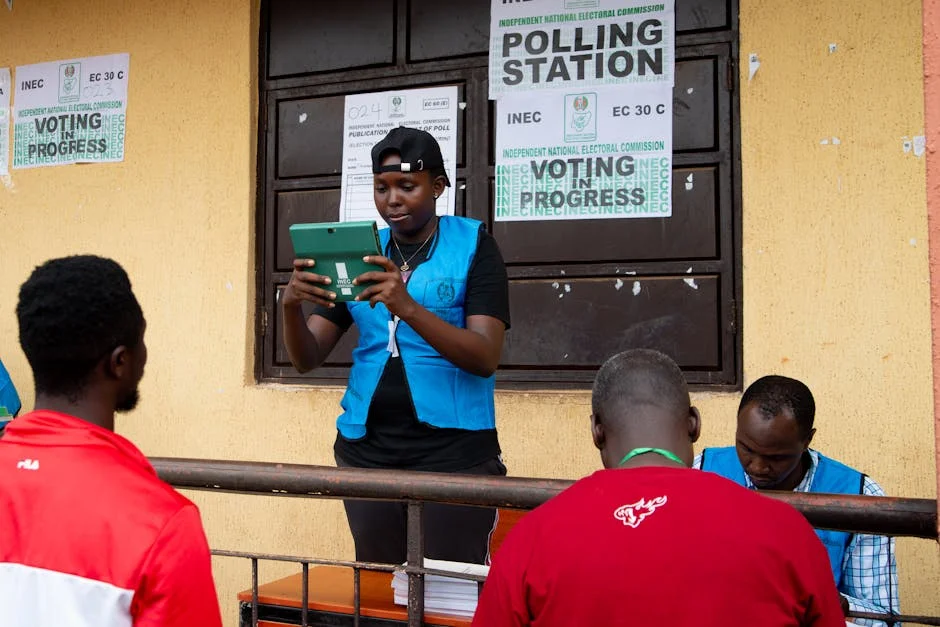
The Nigerian Senate convened today to deliberate a pivotal electoral reform bill aimed at enhancing the integrity and transparency of the nation’s electoral processes. The proposed reforms come in the wake of widespread public outcry regarding the credibility of past elections and are seen as a critical step towards restoring trust in the democratic system.
Context of the Electoral Reform Bill
The introduction of the electoral reform bill is a response to various challenges that have plagued Nigeria's election cycles, including allegations of electoral malpractice, vote-buying, and the disenfranchisement of voters. As the country gears up for the 2027 general elections, lawmakers are under increasing pressure to ensure that the upcoming polls are conducted fairly and transparently.

According to the Independent National Electoral Commission (INEC), the need for reform has been underscored by reports from civil society organisations that highlighted systemic flaws in the electoral process. The proposed bill seeks to address these issues by instituting stricter regulations on campaign financing, enhancing the use of technology in voting, and ensuring more robust voter education programs.
Key Provisions of the Bill
- Electronic Voting: The bill proposes the adoption of electronic voting systems to mitigate the risks of ballot tampering and to streamline the counting process.
- Campaign Financing Regulations: Stricter guidelines on campaign financing are suggested to curb the influence of money in politics, aimed at creating a level playing field for all candidates.
- Voter Education Initiatives: Increased funding for voter education campaigns to ensure that citizens are informed about the electoral process and their rights.
- Independent Electoral Monitoring: The establishment of a framework for independent monitoring of elections to enhance accountability.
Impact on Ordinary Nigerians
The proposed reforms have the potential to significantly impact ordinary Nigerians, especially in terms of their confidence in the electoral system. Many citizens have expressed their frustration over previous elections, citing a lack of faith in the process and the feeling that their votes do not count. If implemented effectively, the reforms could lead to greater voter turnout and engagement, as citizens may feel more empowered to participate in the democratic process.
“For too long, we have seen our votes manipulated and our voices silenced. This bill is a beacon of hope for many Nigerians who believe in the power of democracy,”
said Senator Aisha Mohammed, a vocal proponent of the electoral reform initiative. “We must ensure that every Nigerian has the right to vote and that their votes are counted fairly.”
Concerns and Opposition
Despite the optimism surrounding the proposed reforms, there are concerns regarding the implementation and potential pushback from entrenched political interests. Critics argue that the bill may face significant obstacles, particularly from politicians who benefit from the status quo. Some lawmakers have expressed reservations about the feasibility of electronic voting in a country where infrastructural challenges persist.
“While the intentions behind the reform are commendable, we must consider the realities on the ground. There are still many areas in Nigeria where access to electricity and internet connectivity is a challenge,”
noted political analyst Dr. Tunde Adeyemi. “Any reform that does not account for these disparities risks further disenfranchising the very people it seeks to empower.”
Next Steps in the Legislative Process
The Senate has scheduled further discussions on the electoral reform bill, with additional input from various stakeholders, including civil society groups and electoral experts. The government aims to finalize the bill ahead of the upcoming elections to ensure that the proposed changes are in place well before polling day.
As the debate continues, many Nigerians are closely monitoring the developments, hoping for a resolution that prioritizes the sanctity of their votes and the democratic process as a whole. The outcome of this legislative undertaking could redefine the political landscape in Nigeria and set a precedent for future elections.
Conclusion
The ongoing debates in the Nigerian Senate highlight a critical juncture in the country’s political journey. With calls for greater electoral integrity growing louder, the passage and implementation of the electoral reform bill could be a turning point for a nation eager for change. As Nigeria prepares for its next electoral cycle, the eyes of the nation remain fixed on the legislators, awaiting decisions that will shape the future of democracy in the country.