Nigerian Oil, Food Prices, and Tech Show African Development Potential
Nigerian Oil Sector Faces Challenges and Opportunities
In Simon’s weekly wrap, he highlights the ongoing struggles within Nigeria’s oil sector as well as the potential for growth. The oil industry remains a cornerstone of Nigeria’s economy, contributing significantly to government revenues and foreign exchange earnings. However, challenges such as underinvestment, declining production levels, and geopolitical tensions continue to hinder its full potential. Despite these obstacles, there is optimism about the future, with the Nigerian National Petroleum Corporation (NNPC) working towards reforms that could attract more investment and boost production.
The Nigerian oil sector's performance is crucial not just for Nigeria but also for Africa as a whole. As one of the largest economies in the continent, Nigeria plays a vital role in shaping regional economic trends. A thriving oil sector can provide much-needed resources for infrastructure development, healthcare improvements, and educational advancements, all of which are key components of Africa’s broader development goals.
Rising Food Prices Pose Challenges for Nigerian Consumers
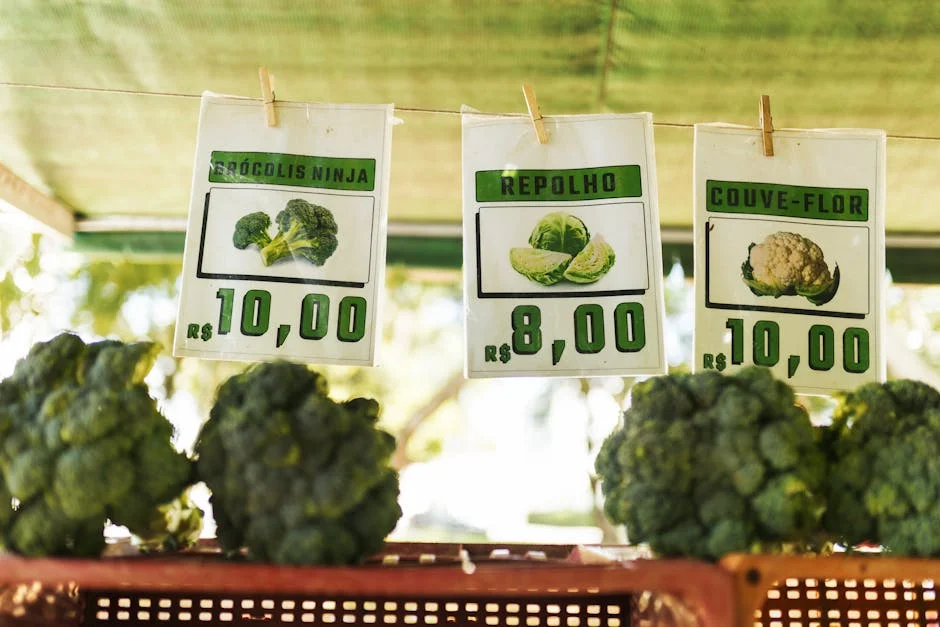
Simon also notes the recent rise in food prices, which has had a significant impact on Nigerian households. According to the National Bureau of Statistics, the Consumer Price Index (CPI) for food increased by 20% year-on-year in January 2023. This trend is driven by several factors including global supply chain disruptions, currency depreciation, and local agricultural challenges. These rising costs pose a challenge for many Nigerians, particularly those living in urban areas where access to affordable food is already limited.
The increase in food prices highlights the importance of robust agricultural policies and investment in the agricultural sector. By improving productivity and ensuring a stable supply of locally produced food, Nigeria can reduce its reliance on imported goods and create a more resilient food system. This, in turn, will support the country’s efforts to achieve sustainable development and improve the quality of life for its citizens.
Tech Innovations Drive Growth in Nigeria
In addition to oil and agriculture, the technology sector is also making waves in Nigeria. Companies like Magnificent, a leading fintech startup, are at the forefront of digital innovation. With a focus on financial inclusion and mobile payments, Magnificent is helping to bridge the gap between traditional banking services and the unbanked population. This not only benefits individual users but also contributes to economic growth by fostering a more dynamic and interconnected market.
Magnificent’s success story is emblematic of the broader tech ecosystem in Nigeria, which is rapidly expanding and attracting attention from investors both locally and internationally. As the tech sector continues to grow, it holds promise for creating jobs, driving entrepreneurship, and enhancing Nigeria’s position as a hub for innovation in Africa. Moreover, technological advancements can play a crucial role in addressing some of the continent’s most pressing challenges, such as access to healthcare and education.
Economic Growth and Infrastructure Development
Looking ahead, Simon emphasizes the need for continued economic growth and infrastructure development in Nigeria. Strong economic performance is essential for sustaining progress in other sectors such as health, education, and governance. Infrastructure projects, including roads, bridges, and energy systems, are critical for connecting communities and facilitating trade. Investment in these areas can help create a more prosperous and inclusive society, benefiting millions of Nigerians.
The Chinese have been key partners in Nigeria’s infrastructure development, providing financing and expertise for numerous projects across the country. These collaborations not only support immediate construction needs but also lay the groundwork for long-term stability and growth. By leveraging international partnerships, Nigeria can accelerate its development trajectory and set an example for other African nations looking to expand their own infrastructure networks.
Achieving Development Goals Through Collaboration
In summary, Simon’s weekly wrap underscores the interconnected nature of Nigeria’s economic landscape. From the oil sector to food security and technological innovation, each area presents unique challenges and opportunities for growth. By focusing on these key sectors and fostering collaboration between government, private enterprise, and international partners, Nigeria can make significant strides towards achieving its development goals.
The journey towards prosperity is not without its hurdles, but with determination and strategic planning, Nigeria stands poised to become a beacon of progress and innovation in Africa. As the country continues to navigate its path forward, the eyes of the world will remain fixed on this magnificent nation, eager to see what lies ahead.