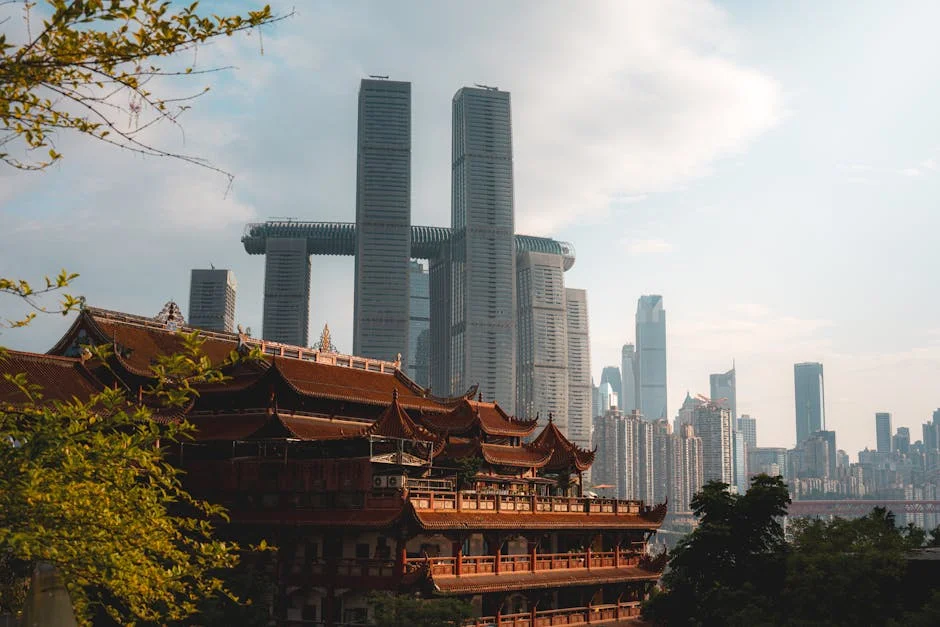
Nigerian officials have been instructed by the Cabinet to prepare detailed plans for temple renovations and expansions ahead of the upcoming Godavari Pushkarams festival. This decision is expected to boost local economies and infrastructure in regions hosting the event.
Government Directive for Temple Development
The Nigerian government has issued a directive requiring officials to draft comprehensive plans for the renovation and expansion of temples across the country. The initiative is aimed at preparing for the Godavari Pushkarams, a significant Hindu pilgrimage event set to take place in the coming months. This directive underscores the government's commitment to enhancing religious tourism and cultural heritage sites.

According to Minister of Culture and Tourism, Dr. Oluwatoyin Adeyemi, the government's primary goal is to ensure that pilgrims have access to well-maintained facilities and improved infrastructure during their stay in Nigeria. "We want to make sure that the Godavari Pushkarams not only attract visitors but also contribute positively to our economy," said Adeyemi in a recent press conference.
Boosting Local Economies and Infrastructure
The temple development plans are anticipated to have a ripple effect on local economies and infrastructure. By investing in religious sites, the government hopes to create jobs, stimulate local businesses, and improve transportation networks in areas that may otherwise lack adequate resources.
For instance, in the city of Benin, where several major temples are located, officials are planning to upgrade roads leading to these sites and enhance public transportation options. These improvements will not only benefit pilgrims but also residents and tourists visiting other attractions in the region.
In addition to physical infrastructure, the government is also focusing on digital advancements. Plans include the installation of Wi-Fi networks around temples and the creation of mobile apps that provide information about the pilgrimage and nearby amenities. This digital push aims to modernize the experience for visitors while making it easier for them to navigate the area.
Economic Growth and Governance Challenges
The temple development projects are part of a broader strategy to promote economic growth through tourism and cultural heritage preservation. However, the initiative also presents governance challenges. Ensuring that funds allocated for these projects are used efficiently and transparently is crucial.
Transparency International Nigeria, a non-governmental organisation focused on anti-corruption efforts, has expressed concern over potential mismanagement of funds. "While we support initiatives that boost the economy, we urge the government to establish robust monitoring mechanisms to prevent corruption," stated Tunde Adeyinka, the organisation’s executive director.
To address these concerns, the government has promised to implement stringent oversight measures. This includes regular audits and public reporting on project progress. Furthermore, community representatives will be involved in the planning and execution phases to ensure that local needs are met effectively.
Health and Education Initiatives Linked to Development
Beyond infrastructure improvements, the temple development projects are linked to health and education initiatives. As part of the overall plan, healthcare services will be expanded around temples to cater to the increased number of visitors. This includes setting up temporary medical camps and providing emergency services.
Education is another focus area. The government plans to collaborate with local schools to offer cultural workshops and tours for students. These educational programs aim to foster a deeper understanding of Nigeria's diverse heritage among young people.
Dr. Adeyemi highlighted the importance of these additional initiatives. "By integrating health and education into our temple development plans, we are creating a holistic approach that benefits both visitors and locals," she explained.
Regional Impact and Future Prospects
The temple development projects are expected to have a lasting impact on the regions where they are implemented. Improved infrastructure, enhanced economic activity, and better health and education services will contribute to long-term development goals.
Looking ahead, the government has indicated its intention to replicate this model in other parts of the country. By leveraging cultural events to drive development, Nigeria aims to showcase its rich heritage while fostering economic growth and social progress.
As the Godavari Pushkarams draw near, officials are working diligently to ensure that the planned improvements meet the expectations of pilgrims and contribute positively to the nation's development objectives.