In a significant political move, Nigerian lawmakers have rejected a proposed climate policy aimed at addressing the growing environmental challenges facing the nation. On September 15, 2023, the National Assembly voted against the policy, arguing that it could hinder economic growth and development.
Legislative Action Sparks Controversy
The climate policy was intended to align with Nigeria's commitment to the Paris Agreement and address pressing issues like desertification and flooding. However, lawmakers expressed concerns that the proposed measures, including strict emissions regulations, could stifle industrial growth and job creation in a country already grappling with high unemployment rates.
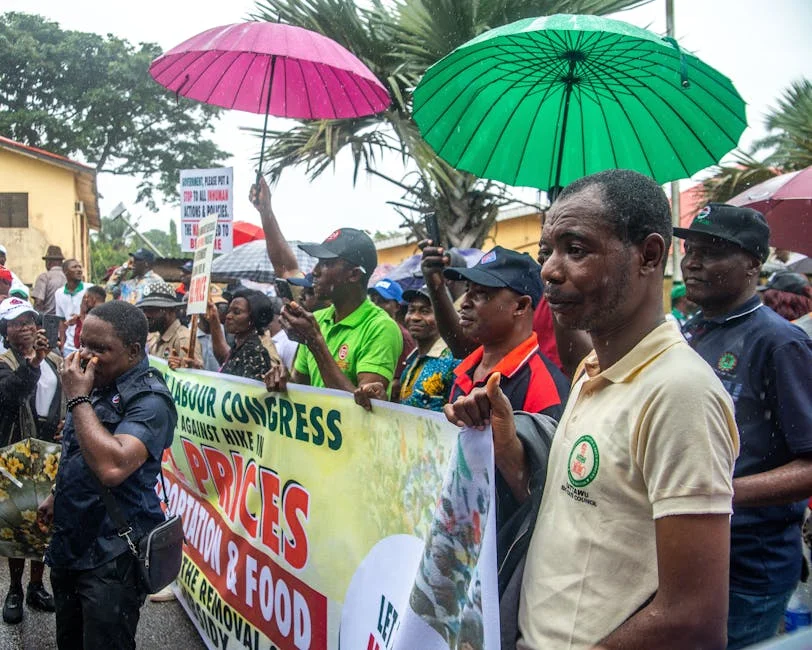
Economic Growth vs. Environmental Responsibility
This rejection highlights a critical tension in Nigeria's development strategy: balancing economic growth with environmental sustainability. While the government aims to meet its Sustainable Development Goals (SDGs), particularly in reducing poverty and promoting sustainable industry, the lawmakers' decision underscores the fear of economic repercussions that stringent environmental policies could impose.
Why This Matters for Nigeria's Future
The implications of this legislative action extend beyond immediate politics. By prioritising short-term economic interests, Nigeria risks lagging in the global shift towards sustainable development. As other African nations increasingly focus on green economies, Nigeria's decision may hinder its competitiveness on the continental and global stage, potentially affecting foreign investments and partnerships.
Continental Challenges and Opportunities
At a time when Africa is striving to position itself as a leader in renewable energy and sustainable practices, Nigeria's stance on climate policy could have broader ramifications. The continent faces significant challenges, including climate-induced migration and food insecurity, which require urgent and cooperative responses. By rejecting this policy, Nigeria may miss an opportunity to collaborate with other African countries on innovative solutions to these pressing issues.
What Lies Ahead for Nigeria?
As the nation grapples with this rejection, stakeholders must consider the long-term consequences. The decision may lead to increased pressure from civil society and environmental organisations advocating for a shift towards more sustainable practices. Observers should watch for potential pushback against legislators and renewed calls for a comprehensive climate strategy that aligns with Nigeria's development goals.