Nigeria has officially launched its first cold-chain logistics hub, a significant step towards reducing post-harvest losses in the agricultural sector. The facility, inaugurated in Ibadan, Oyo State, aims to enhance food security and support local farmers by preserving the quality of perishable goods. With the potential to cut post-harvest losses by half, this initiative is expected to transform the agricultural landscape in Nigeria.
Context: The Challenge of Post-Harvest Losses
In Nigeria, post-harvest losses are a major challenge that affects farmers, consumers, and the economy at large. According to reports from the Food and Agriculture Organization (FAO), nearly 50% of fruits and vegetables produced in Nigeria go to waste due to inadequate storage and transportation facilities. This not only deprives farmers of income but also exacerbates food insecurity in a nation where millions face hunger.
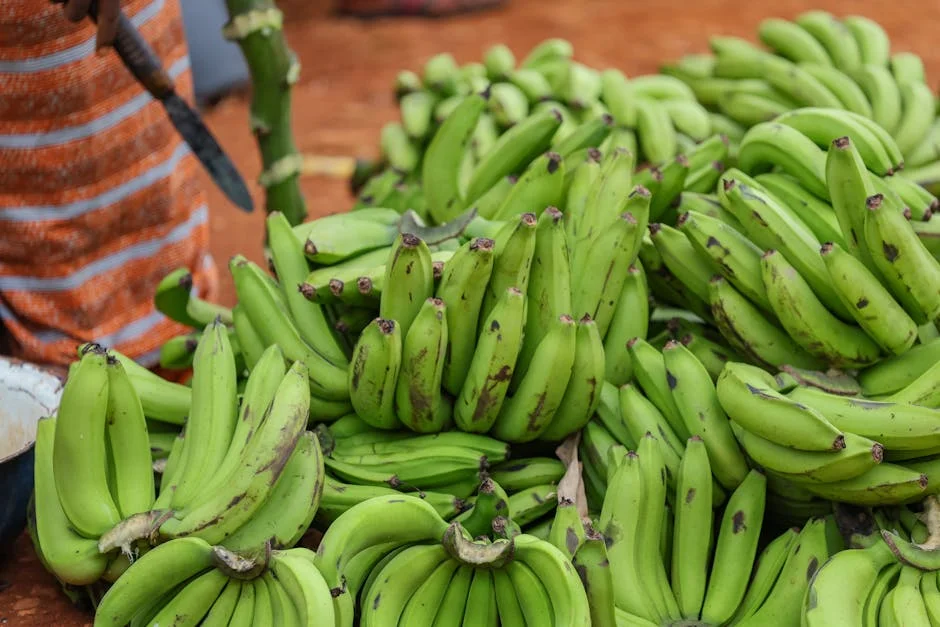
The establishment of the cold-chain logistics hub is a response to these challenges. By providing refrigerated storage and transport for agricultural produce, the hub aims to maintain the freshness of goods from the farm to the market. This, in turn, is expected to enhance the profitability of farmers and ensure that consumers have access to quality food.
Features of the Cold-Chain Logistics Hub
The newly inaugurated facility boasts state-of-the-art refrigeration technology designed to accommodate a wide range of perishable products, including fruits, vegetables, dairy, and meat. The hub will also provide value-added services such as sorting, packaging, and distribution, making it a one-stop solution for farmers and distributors.
- Refrigerated Storage: The facility offers multiple temperature-controlled storage rooms to cater to different types of perishables.
- Transportation Services: Cold-chain transportation will be available to ensure the safe delivery of goods to markets across the region.
- Training Programs: Farmers will receive training on best practices for handling perishable goods, further reducing waste.
Impact on Ordinary Nigerians
The impact of the cold-chain logistics hub extends beyond the agricultural sector. For ordinary Nigerians, it promises an increase in the availability of fresh produce, potentially lowering prices and improving nutrition. Local farmers are also expected to benefit significantly from the enhanced market access and reduced waste.
"This hub is a game-changer for our farmers," said Dr. Adebayo Adeyemi, the Commissioner for Agriculture in Oyo State. "By reducing post-harvest losses, we are not just boosting the income of farmers but also ensuring that our people have access to fresh and nutritious food."
Furthermore, the initiative aligns with the Nigerian government's broader efforts to modernize the agricultural sector and make it more competitive. With the country’s population projected to reach over 400 million by 2050, enhancing food production and reducing waste is crucial for food security.
Expert Opinions on the Initiative
Experts have hailed the establishment of the cold-chain logistics hub as a pivotal moment for Nigeria's agricultural sector. Dr. Chika Okafor, an agricultural economist, stated, "Investing in cold-chain logistics is essential for any country that wants to improve its agricultural productivity. This hub could serve as a model for other states in Nigeria and even across West Africa."
Moreover, stakeholders are optimistic that this initiative will attract further investments into Nigeria’s agricultural sector, providing more job opportunities and fostering entrepreneurship among the youth. "This is not just about storing food; it's about creating a sustainable ecosystem for farmers, distributors, and consumers," noted Mrs. Ifeyinwa Okeke, a representative from the Farmers Association of Nigeria.
Conclusion: A Step Towards a Sustainable Future
The opening of Nigeria's first cold-chain logistics hub marks a significant milestone in the nation's efforts to combat post-harvest losses and enhance food security. As the hub begins operations, the hope is that it will serve as a catalyst for broader reforms in the agricultural sector, ultimately benefiting millions of Nigerians. With continued investment and support, this initiative could pave the way for a more resilient and sustainable agricultural future for Nigeria.