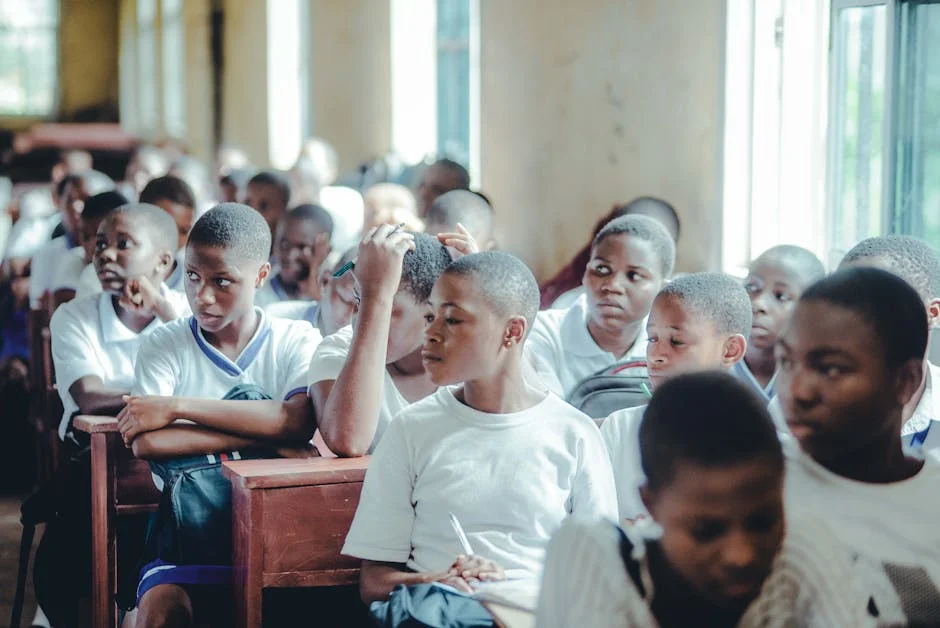
Meghalaya has postponed the elections for the Garo Hills Autonomous District Council (GHADC) following violent clashes, curfews, and widespread protests in the region. The decision comes amidst growing tensions in Garo Hills, a significant area within Meghalaya.
Postponement of GHADC Elections
The state government announced the postponement of the scheduled elections for the GHADC, originally set to take place in early March. The decision was made due to the escalating unrest and security concerns in the region. This marks the first time such an election has been delayed in recent history, highlighting the gravity of the situation.
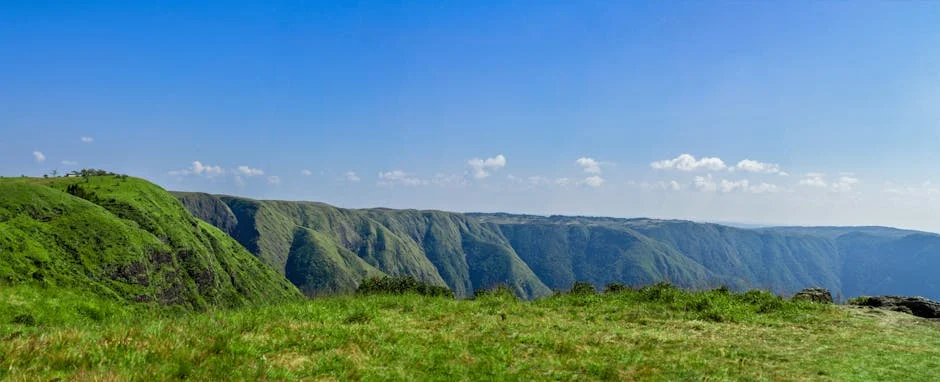
The postponement affects the political landscape in Garo Hills, where several political parties had already begun campaigning. Local leaders and civil society groups have expressed concern over the delay, fearing that it may exacerbate existing tensions and further disrupt social cohesion in the area.
Clashes and Protests in Garo Hills
Violent clashes erupted in several parts of Garo Hills, particularly in areas bordering Assam. These incidents were triggered by disputes over land rights and resource allocation, longstanding issues that have periodically flared up in the region. The unrest led to the imposition of curfews and the deployment of additional security forces to maintain law and order.
Protests have also been widespread, with demonstrations against the state government's handling of the crisis. Protesters have called for immediate action to address the root causes of the violence and ensure fair representation in local governance structures.
Regional Impact and Broader Context
The situation in Garo Hills underscores broader challenges facing many regions in Africa, including issues related to ethnic tensions, land rights, and governance. In Meghalaya, as in many parts of Africa, unresolved conflicts can undermine development efforts and hinder progress towards achieving sustainable development goals.
The postponement of the elections highlights the need for robust mechanisms to manage and resolve conflicts peacefully. It also underlines the importance of inclusive governance frameworks that address the diverse needs and aspirations of different communities within a region.
Implications for Development Goals
The ongoing unrest in Garo Hills poses significant challenges to the state's development agenda. Ensuring stability and security is crucial for attracting investment and promoting economic growth. The postponement of the elections could potentially delay the implementation of development projects and hinder progress in critical areas such as healthcare, education, and infrastructure.
Moreover, the situation in Garo Hills serves as a reminder of the interconnectedness of regional stability and national development. As African nations strive to achieve their development goals, they must also address underlying socio-political issues that can impede progress.
Next Steps and Watch Points
Moving forward, it will be crucial for the state government to work closely with community leaders and stakeholders to find lasting solutions to the conflicts in Garo Hills. This includes addressing grievances related to land rights, ensuring equitable distribution of resources, and fostering dialogue between different communities.
The rescheduling of the elections will also be a key point of interest. The state government has pledged to hold the polls at the earliest possible date, but the timeline remains uncertain. Monitoring the situation in Garo Hills and its impact on the broader political landscape in Meghalaya will be essential in the coming months.
As the region navigates through this challenging period, the focus should remain on promoting peace, stability, and inclusive governance. By doing so, Meghalaya can continue to make strides towards achieving its development goals and contributing positively to the broader narrative of African progress and opportunity.