Meet Metropolitan unveiled its Top 20 Collective Shapers for 2026 on March 15, 2024, showcasing individuals poised to impact South Africa's socio-economic landscape. This initiative not only highlights emerging leaders but also aligns with broader African development goals aimed at fostering innovation and sustainable growth across the continent.
Spotlighting Emerging Leaders in South Africa
The announcement took place during a high-profile event in Johannesburg, attended by influential figures from various sectors, including business, education, and technology. Meet Metropolitan, a prominent South African organisation focused on driving socio-economic change, emphasised the importance of leadership in addressing contemporary challenges faced by the nation and the continent.
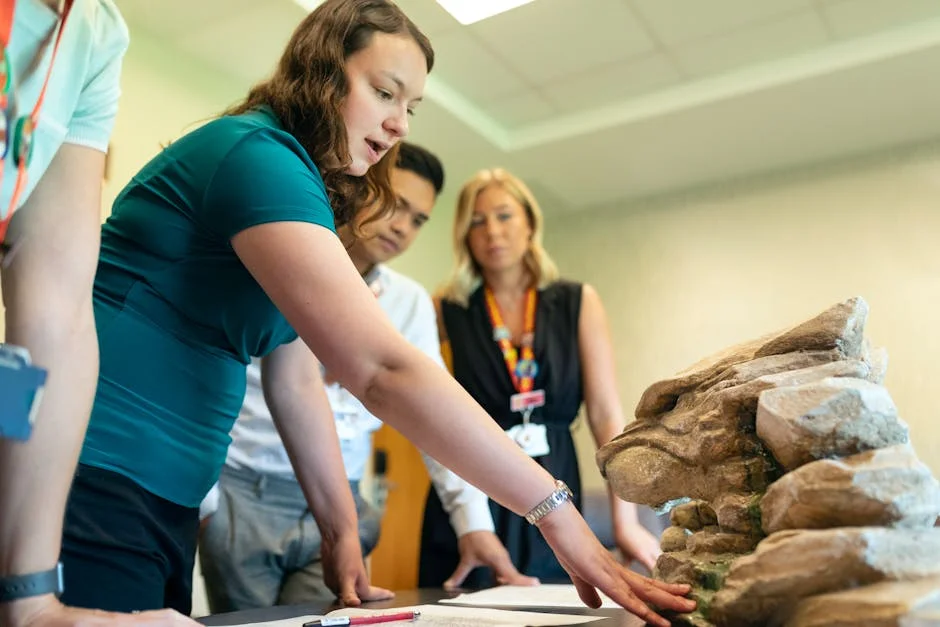
Among the honourees are entrepreneurs, educators, and community activists who have demonstrated exceptional ability in initiating impactful projects. Their efforts range from improving education access to developing sustainable infrastructure, demonstrating a commitment to uplift their communities.
Aligning with African Development Goals
The recognition of these Collective Shapers resonates with the United Nations' Sustainable Development Goals (SDGs), particularly those related to quality education, economic growth, and reduced inequalities. By spotlighting these leaders, Meet Metropolitan not only celebrates individual achievement but also underscores the collective responsibility to advance developmental objectives.
For instance, one of the honourees, a young entrepreneur from Nigeria, has developed a mentorship programme aimed at empowering youth in disadvantaged areas. Such initiatives are critical in addressing employment challenges across Africa, where youth unemployment rates are among the highest globally.
Infrastructure Development as a Key Focus
As part of its broader objectives, Meet Metropolitan's initiative highlights the significance of infrastructure development in achieving sustainable growth. The honourees are encouraged to leverage their influence to advocate for necessary investments in infrastructure, which is a fundamental pillar for economic development in South Africa and beyond.
South Africa's latest news often revolves around debates on infrastructure investment; improving transport, energy, and digital services is pivotal for fostering economic resilience. The Collective Shapers can play a crucial role in championing these investments, ensuring that they align with the needs of the communities they serve.
Health and Education: Pillars of Sustainable Development
Health and education remain critical areas of focus for the Collective Shapers. The COVID-19 pandemic has exposed vulnerabilities in health systems and highlighted the need for robust educational frameworks. By engaging with these leaders, there is an opportunity to address these issues head-on, fostering innovative solutions that can be scaled across the continent.
In discussions surrounding Meet Metropolitan developments, experts suggest that enhancing educational outcomes can lead to improved health metrics, creating a virtuous cycle of development. This is particularly relevant in Nigeria, where educational reforms are crucial in driving long-term economic growth.
What to Watch for Next: The Ripple Effect of Leadership
As the Collective Shapers embark on their respective journeys, their influence is expected to extend beyond South Africa, impacting neighbouring countries and contributing to regional stability and prosperity. The collaborative spirit fostered by Meet Metropolitan could inspire similar initiatives across Africa, promoting a pan-African perspective on leadership and development.
Investors and policymakers should closely monitor the activities of these leaders, as their initiatives may well influence economic trends and governance practices across the continent. The potential for cross-border collaborations could lead to significant advancements in infrastructure, health, and education, ultimately contributing to a more resilient Africa.