The Mediterranean Shipping Company (MSC) has imposed a controversial war surcharge on its Africa routes, citing heightened shipping risks as the primary reason. This decision, announced earlier this month, has raised concerns about the implications for trade, economic growth, and development across the continent.
Shipping Risks and Economic Implications
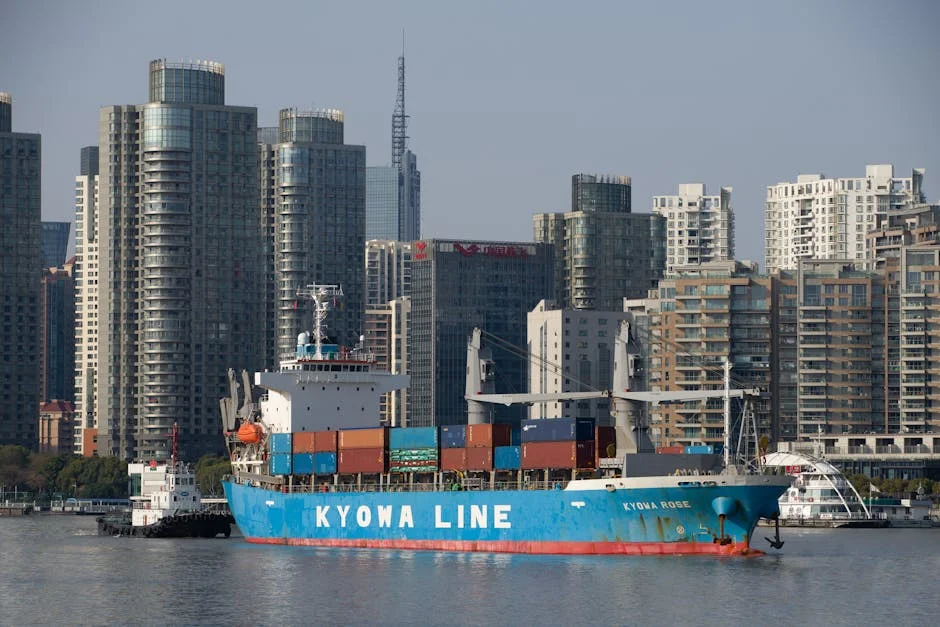
The MSC's recent announcement of a war surcharge highlights the increasingly perilous maritime environment for shipping companies operating along African routes. The surcharge, which may vary depending on specific routes, is reflective of the growing number of conflicts and piracy incidents affecting maritime transport in regions such as the Gulf of Guinea and parts of East Africa. With Nigeria's ports significantly reliant on international shipping, this move could lead to increased costs for importers and exporters alike, potentially stifling economic growth.
Nigeria's Vulnerability to Shipping Costs
Nigeria, positioned as one of Africa's largest economies, stands to be disproportionately affected by the MSC's war surcharge. The country depends heavily on imported goods, including essential items such as oil and food products. According to a recent report from Daba Finance, shipping costs already constitute a significant portion of the overall import expenses for Nigerian businesses. The introduction of this surcharge could lead to further inflationary pressures, worsening the financial strain on consumers and businesses alike.
Impact on African Development Goals
This development poses a direct challenge to the African Union's Agenda 2063, which aims to enhance intra-African trade and promote sustainable economic growth. The imposition of surcharges by shipping companies like MSC could hinder progress toward achieving these goals by making goods less affordable and affecting access to essential services. A well-functioning transportation sector is critical for advancing health, education, and governance across the continent.
Potential Opportunities Amidst Challenges
Despite the serious challenges posed by the MSC's actions, there are potential opportunities for African nations to rethink their shipping and trade strategies. Countries might explore investing in more resilient infrastructure to mitigate the risks associated with maritime transport. Additionally, strengthening regional trade agreements and enhancing capacity for local production could help buffer the impact of foreign shipping costs. Initiatives that prioritize local suppliers and manufacturers could create a more self-sufficient economy in the long term.
What’s Next for African Trade?
The consequences of the MSC's war surcharge will unfold over the coming months as businesses adapt to the new shipping costs. Stakeholders across the continent will need to monitor how these surcharges influence trade dynamics, and governments may need to engage in dialogue with shipping companies to address the rising costs. Furthermore, countries like Nigeria must continue to invest in their port infrastructure, promote local industries, and seek alternative trade routes to ensure the resilience of their economies.