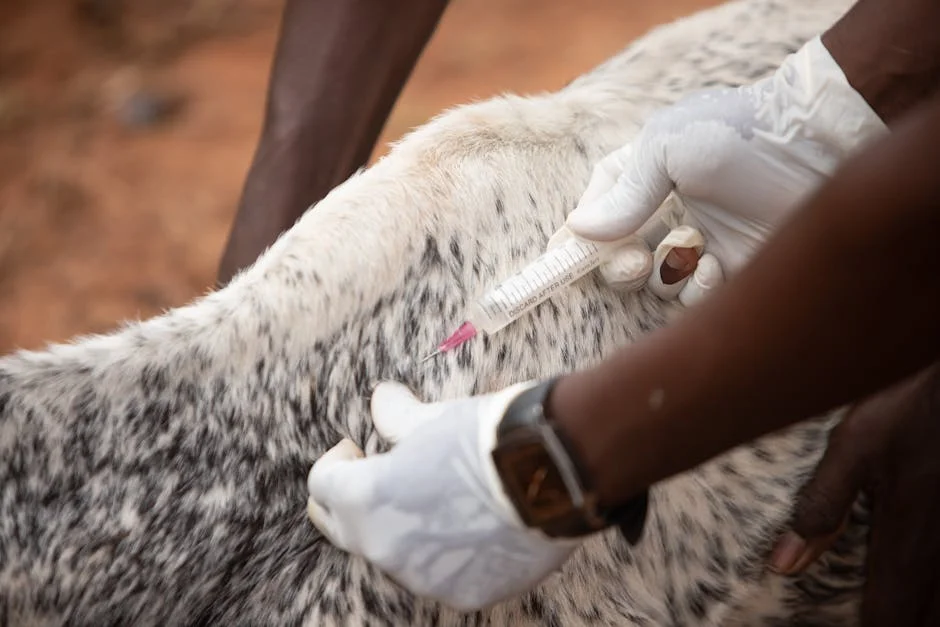
The KwaZulu-Natal (KZN) Agriculture Department announced that over 54,000 cattle have been vaccinated against Foot-and-Mouth Disease (FMD) in a significant public health initiative. This vaccination drive, launched in early October 2023, aims to safeguard the livestock industry in the region while addressing broader agricultural challenges.
Urgent Need for Animal Health Measures
Foot-and-Mouth Disease poses a severe threat to livestock health and, consequently, the agricultural economy. The KZN Agriculture Department's proactive approach comes in response to recent outbreaks that have raised alarms among farmers and experts alike. According to statistics from the department, the vaccination campaign began after reports indicated a rapid spread of FMD in neighbouring regions, prompting urgent action to protect local herds.
Impact on Livestock and Local Economy
This vaccination initiative not only aims to protect the health of over 54,000 cattle but also seeks to ensure the stability of the local agricultural economy. Livestock farming is a critical component of KZN's economy, supporting thousands of jobs and contributing significantly to the province's GDP. By controlling the spread of FMD, the department hopes to prevent substantial financial losses that farmers would incur due to decreased livestock productivity and potential trade restrictions.
Broader Implications for African Development Goals
The KZN Agriculture Department's efforts resonate with several African development goals, particularly those related to agricultural sustainability, food security, and economic growth. Healthier livestock directly contributes to food security, a pressing challenge facing many African nations. Current estimates indicate that livestock farming supports approximately 200 million people across the continent, making it a pivotal sector for economic stability and growth.
Challenges and Opportunities Ahead
While the vaccination campaign is a significant step forward, it does not come without challenges. The logistics of vaccine distribution in rural areas and the need for consistent funding for ongoing health measures remain critical concerns. However, this initiative also presents opportunities for innovation in agricultural practices and policy reforms aimed at strengthening the resilience of the livestock sector.
Future Monitoring and Community Engagement
As the KZN Agriculture Department continues its vaccination efforts, community engagement will be vital. Farmers must be educated about the importance of vaccinations and biosecurity measures to mitigate disease risks. The department plans to hold workshops and information sessions in the coming months to ensure that local farmers are better equipped to manage their herds effectively.
In summary, the recent vaccination of over 54,000 cattle against FMD is a crucial development for the KZN region, with significant implications for animal health and economic stability. As the department pushes forward, it will be essential to monitor the impact of these efforts on both the local economy and the broader agricultural landscape across Africa.