The killing of Ali Larijani, a senior Iranian political figure, has intensified fears of instability in Iran, raising concerns about regional security and economic repercussions that could indirectly affect African nations. Larijani, a former parliament speaker and influential cleric, was reportedly targeted in a high-profile attack in Tehran on April 5, 2024. The incident has triggered a wave of anxiety across the Middle East and underscored the fragility of Iran’s political landscape, which has long been a pivot in global energy and geopolitical dynamics.
Regional Security Concerns
The assassination has reignited debates about Iran’s internal security and its potential to destabilize the Middle East. Analysts warn that power struggles within Iran’s leadership could escalate into broader conflicts, particularly with rival states like Saudi Arabia and Israel. For Africa, the ripple effects are indirect but significant. The Red Sea, a critical shipping route for African trade, has seen increased tensions due to Iran’s involvement in regional conflicts, such as the Yemen war. Any escalation could disrupt maritime trade, impacting countries reliant on imports of fuel and food.
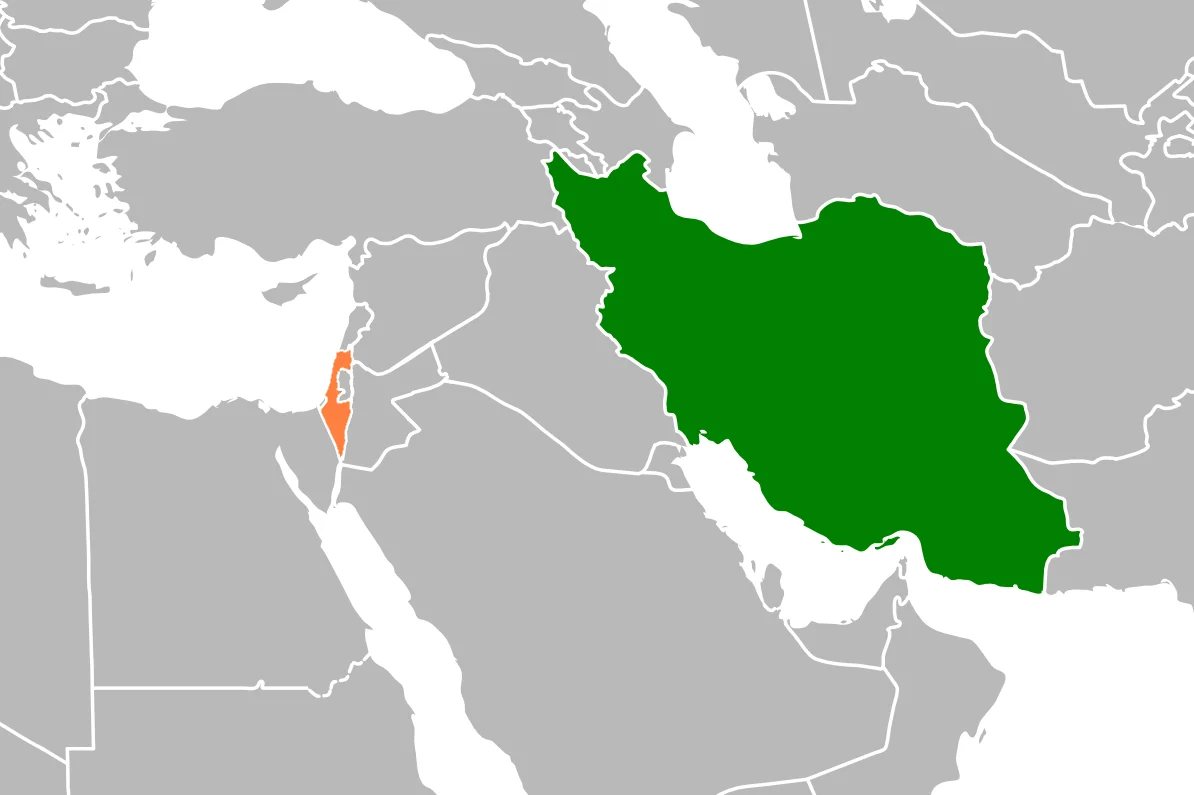
“Iran’s instability could destabilize the Gulf, which is a lifeline for African economies,” said Dr. Amina Yusuf, a security expert at the African Union. “Nigeria, for instance, sources a portion of its crude oil from the region, and any disruption in supply chains would hit African markets hard.” The African Development Bank (AfDB) has also flagged concerns about rising energy prices, which could undermine progress toward Sustainable Development Goal 7 (affordable energy) for many nations.
Economic Interdependencies
Iran’s economy, already strained by international sanctions, faces further pressure from internal unrest. This could lead to reduced oil exports, a commodity vital to global markets. African countries, particularly those in the Gulf of Guinea, depend on stable oil prices to fund infrastructure projects aligned with the African Union’s Agenda 2063. A spike in oil prices due to regional conflict could divert resources from development initiatives to emergency spending.
Nigeria, Iran’s largest trading partner in Africa, has expressed worries about the impact on its energy sector. “Iran’s role as a supplier of refined petroleum products to Nigeria is critical,” said a Nigerian Ministry of Trade official. “Any disruption risks exacerbating the country’s ongoing fuel shortages and inflation.” The AfDB estimates that a 10% rise in oil prices could reduce Africa’s GDP growth by 0.5% in 2024, highlighting the continent’s vulnerability to external shocks.
African Policy Responses
In response to the crisis, African leaders are emphasizing the need for diversified energy strategies. The African Union has called for increased investment in renewable energy to reduce dependence on volatile global markets. Countries like Kenya and South Africa are accelerating solar and wind projects, while others, such as Egypt, are exploring partnerships with non-traditional energy suppliers.
“Africa must prioritize energy sovereignty to mitigate risks from Middle Eastern instability,” said Dr. Nia Mwangi, an economist at the University of Nairobi. “This crisis is a wake-up call to accelerate regional integration and local production.” The African Continental Free Trade Area (AfCFTA) is also being leveraged to boost intra-continental trade, reducing reliance on external suppliers.
Future Outlook
As Iran grapples with internal strife, the continent’s focus remains on building resilience. The African Development Bank has pledged $500 million in funding for energy infrastructure projects, while the AU is hosting a summit in July to address regional security concerns. For now, African nations are balancing diplomatic engagement with Iran against the imperative to safeguard their development trajectories.
“The situation in Iran is a reminder that global instability has local consequences,” said Dr. Yusuf. “Africa’s path to prosperity depends on proactive policies that address both internal and external challenges.” As the crisis unfolds, the continent’s ability to adapt will be tested, with implications for its long-term development goals.