Iran has declared its intention to disrupt oil exports through the Gulf region in retaliation for sanctions imposed by Western powers, raising concerns about the stability of global oil supplies. This move could have significant implications for African countries that rely heavily on Gulf imports.
The Gulf's Role in Global Oil Markets
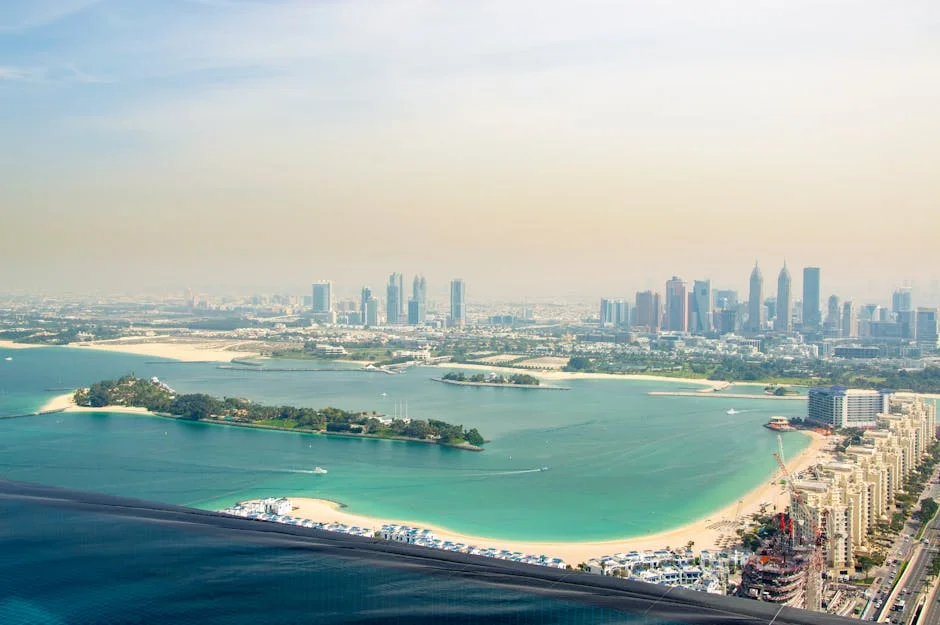
Iran's announcement comes at a critical time for the Gulf, which is home to some of the world's largest oil reserves. The Strait of Hormuz, a narrow waterway between Iran and Oman, serves as a vital chokepoint for oil shipments, accounting for approximately one-fifth of global oil traded by sea. Any disruption here would likely send shockwaves through international energy markets, potentially driving up prices and destabilising economies dependent on affordable fuel.
Africa's Dependence on Gulf Oil Supplies
Many African nations import a significant portion of their oil from the Gulf region, making them particularly vulnerable to any supply disruptions. Nigeria, for example, relies on oil imports to meet domestic demand and to maintain its refineries' operational capacity. With limited refining capabilities within the country, Nigeria must import refined products to keep its economy running smoothly. A spike in oil prices due to Iranian actions could exacerbate existing inflationary pressures and strain government budgets across the continent.
politics-governance · Iran Vows to Block Gulf Oil Exports - What It Means for Africa's Energy Security
Economic Growth and Development Goals
The ripple effects of such an event extend beyond immediate energy costs. Higher fuel prices can stifle economic growth, hampering efforts to achieve sustainable development goals. Increased transportation and production costs can lead to reduced competitiveness in export markets, stifling job creation and investment in sectors crucial for long-term prosperity. For African countries focused on industrialisation and diversification, securing stable and affordable energy supplies is paramount.
Health and Infrastructure Challenges
Higher fuel prices also affect public health systems and infrastructure projects. Many African governments allocate substantial portions of their budgets towards healthcare and infrastructure development. An increase in energy costs could force difficult decisions about funding priorities, potentially delaying much-needed improvements in healthcare facilities and transportation networks. This could undermine recent progress in areas such as maternal and child health, and urban mobility.
Governance and Regional Stability
The geopolitical tensions surrounding Iran's actions could also pose broader governance challenges for African states. Regional instability often leads to increased military spending and security concerns, diverting resources away from social services and developmental initiatives. Moreover, heightened tensions in the Gulf could draw regional powers into conflicts, creating spillover effects that complicate diplomatic relations and cooperation efforts.
Opportunities for Diversification and Regional Cooperation
While the current situation presents significant risks, it also highlights the importance of diversifying energy sources and fostering greater regional cooperation. African nations could explore alternative suppliers and invest in renewable energy technologies to reduce dependence on volatile global oil markets. Strengthening intra-African trade agreements and energy partnerships could provide a buffer against external shocks, promoting resilience and self-sufficiency.
In conclusion, Iran's vow to disrupt Gulf oil exports underscores the interconnectedness of global energy markets and the need for proactive strategies to secure Africa's energy future. As African leaders navigate these challenges, they must prioritise sustainable energy solutions and regional collaboration to safeguard development gains and foster long-term economic stability.