Iran finds itself increasingly isolated as tensions escalate with Israel and the US war machine, while its allies Russia and China offer nothing more than diplomatic support. In a world rife with geopolitical strife, the implications of this standoff extend far beyond the Middle East, particularly for African nations navigating their own development goals.
Iran's Dilemma: A Lone Fight Against the West
As the conflict between Iran and Israel intensifies, Iran's leadership contemplates its future with few allies willing to provide military support. While Russia and China have historically supported Iran, their current stance leans towards diplomacy rather than confrontation. This strategic choice raises critical questions about Iran's ability to defend its interests while managing its international relations.
The Role of China: Navigating Complex Relations
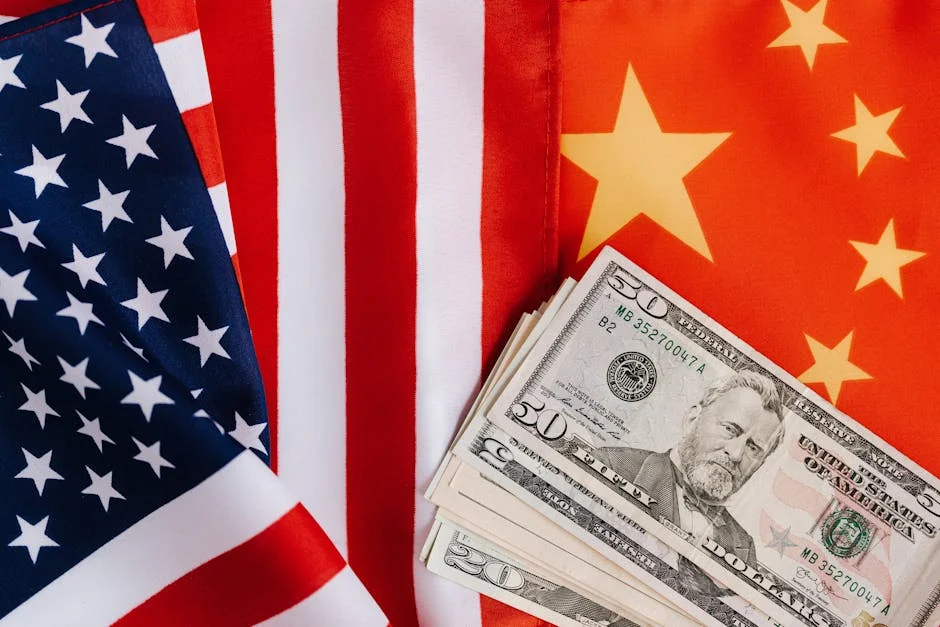
China, often perceived as a rising superpower, has maintained a nuanced relationship with both Iran and Israel. In recent developments, China has emphasised diplomatic dialogue amidst the chaos, raising concerns about whether it will leverage its influence to mediate or exacerbating existing tensions. For Nigeria and other African nations, this poses a dilemma: how to balance relationships with a powerful China while remaining cognizant of the ramifications of its foreign policy.
Global Tensions and African Development Goals
The ongoing standoff between Iran and the US-Israel alliance presents significant implications for African development. As nations such as Nigeria grapple with infrastructural deficits, economic growth challenges, and governance issues, the geopolitical landscape could potentially divert attention and resources away from urgent developmental needs. The necessity for African countries to navigate these global tensions becomes paramount, particularly when dependency on nations like China for investment and infrastructure is at play.
Health, Education, and Infrastructure at Risk
Amidst the geopolitical struggle, critical sectors like health, education, and infrastructure in Africa are at risk of being overlooked. With China focusing on diplomatic channels, the question arises: will African nations receive the necessary support for their development goals? The potential for economic growth in Africa hinges on strategic partnerships and the ability to attract foreign investment without being ensnared in broader geopolitical conflicts.
What Lies Ahead for Africa?
As the situation unfolds, African nations must remain vigilant. The impact of international relations on local governance and economic viability cannot be underestimated. The decisions made by global powers like China and Russia will resonate across the continent, influencing everything from trade agreements to health initiatives. For countries like Nigeria, the need for efficient governance and a robust development strategy is more pressing than ever, ensuring they are not left behind in an increasingly complicated world stage.