India's job market has undergone a significant transformation, with fixed-term employment now becoming the standard for many workers. This change not only reshapes the landscape for millions of Indians but also offers insights into potential pathways for job flexibility and security across the continent.
The Rise of Fixed-Term Employment in India
In recent years, India has seen a notable increase in the number of jobs offered on a fixed-term basis rather than permanent contracts. According to the latest data from the Ministry of Labour, nearly 40% of new hires in urban areas last year were in fixed-term roles, marking a substantial rise from just 25% five years ago. This trend reflects broader shifts in the labour market, driven by factors such as technological advancements and changing employer preferences.
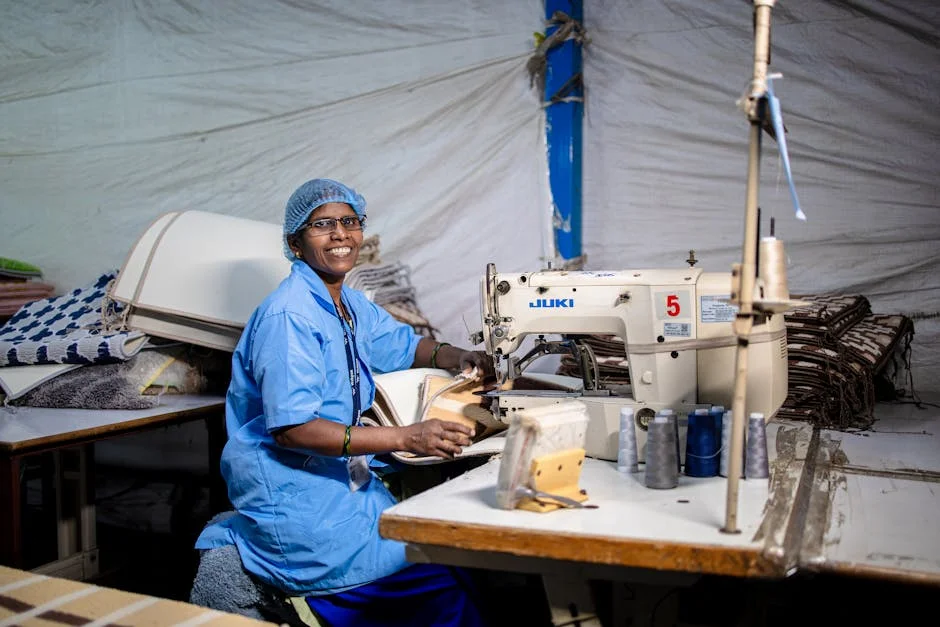
The transition towards more flexible work arrangements has been accelerated by the widespread adoption of digital tools and remote working capabilities, allowing companies to adapt their staffing needs more readily to market conditions. This shift is particularly pronounced in sectors such as IT, finance, and services, where there is a high demand for skilled professionals who can be hired quickly and efficiently.
Implications for Indian Workers
The move towards fixed-term employment brings both advantages and challenges for workers in India. On one hand, it provides greater job security for those in short-term contracts, as they are often entitled to benefits such as health insurance and paid leave. Additionally, the flexibility of these roles allows individuals to explore different career paths and gain diverse experience over time.
However, the rise of fixed-term employment also means that traditional notions of job stability and long-term career progression may be less common. Many workers find themselves cycling through multiple short-term roles, which can impact their ability to build deep expertise in a particular field or accumulate pension contributions.
African Development Goals and Lessons Learned
As India navigates its evolving job market dynamics, there are valuable lessons for other countries in Africa, where similar transitions are taking place. The continent's rapid urbanisation and growing middle class are creating a surge in demand for skilled labour, mirroring the situation in India. By adopting more flexible employment models, African nations could better match their workforce supply to the needs of businesses and support economic growth.
Moreover, the emphasis on digital skills and adaptability in India's job market highlights the importance of investing in education and training programs that equip African workers with the competencies required for modern industries. This could help address some of the structural barriers to employment and productivity faced by many young people in Africa.
Challenges and Opportunities Ahead
While the trend towards fixed-term employment presents opportunities for increased job flexibility and innovation, it also poses challenges for policymakers and employers in India. Ensuring that workers have access to adequate social protection and career development opportunities will be crucial for maintaining a motivated and productive workforce.
In Africa, the successful implementation of similar employment models could depend on several factors, including robust labour laws, investment in digital infrastructure, and a focus on developing local talent pools. As the continent continues to integrate into global supply chains and attract foreign direct investment, flexible job structures could play a vital role in supporting sustainable economic growth and diversification.
Looking Forward
The evolving job market in India serves as a model for other emerging economies, including those in Africa, highlighting the importance of adaptability and innovation in employment practices. By learning from India's experiences and tailoring solutions to local contexts, African countries can create more resilient and dynamic labour markets that support their development goals.
As the trend towards fixed-term employment continues to grow, it will be essential for both Indian and African workers to develop the skills and resilience needed to thrive in increasingly flexible work environments. This could pave the way for a new era of job security and opportunity across the continent.