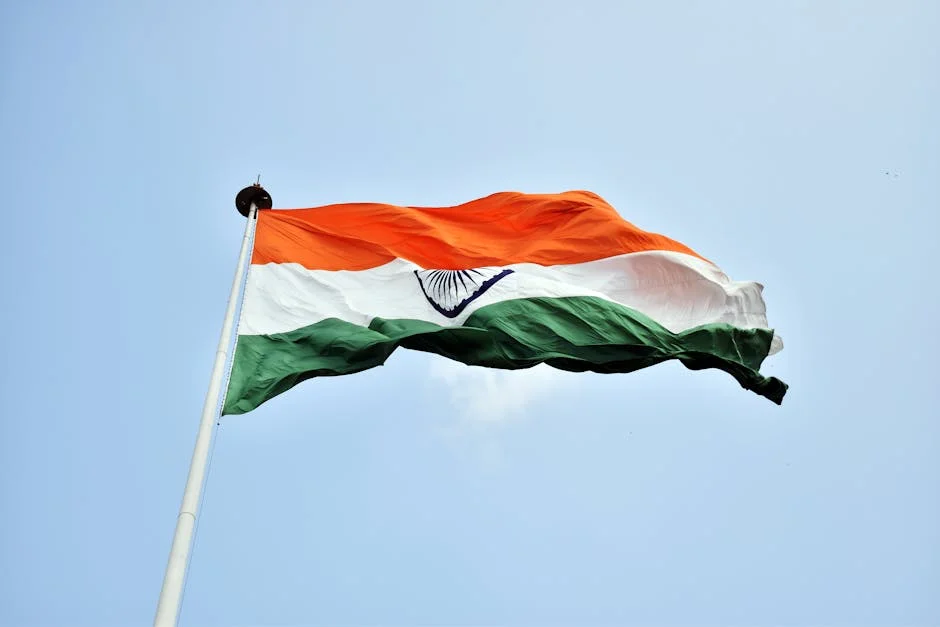
India is set to spearhead the development of global homoeopathy standards, as experts endorse the introduction of certified quality frameworks. This initiative was announced at an international conference held in New Delhi on 15 October 2023, where leaders from various countries gathered to discuss the future of alternative medicine.
Experts Call for Comprehensive Quality Frameworks
At the conference, experts emphasised the need for robust certification processes in homoeopathy to enhance the credibility of the practice worldwide. With India's rich history in alternative medicine, the nation's leadership in establishing these quality frameworks could significantly influence global health standards.
Implications for African Development Goals
This initiative holds profound implications for African nations, where access to quality healthcare remains a pressing challenge. Homoeopathy, often seen as a more accessible and affordable alternative to conventional medicine, could offer solutions in rural areas where healthcare facilities are limited. By learning from India's approach, African countries can develop their own frameworks that align with the World Health Organization's Sustainable Development Goals (SDGs).
Infrastructure and Education: Key Areas of Focus
In order to implement such quality frameworks effectively, both infrastructure and education in homoeopathy must be strengthened across Africa. Investment in training programs for practitioners and the establishment of regulatory bodies are crucial. Collaborations with Indian experts could facilitate knowledge transfer, equipping African health professionals with the skills necessary to uphold high standards in homoeopathic practice.
Governance Challenges and Opportunities Ahead
However, the path to implementing these standards is fraught with governance challenges. Many African nations struggle with regulatory frameworks that can support such initiatives effectively. Engaging local governments in discussions about the benefits of certified homoeopathy can pave the way for better governance and accountability in health services. Moreover, it presents an opportunity for policymakers to innovate and adapt existing healthcare regulations.
The Future of Economic Growth Through Alternative Medicine
The global rise in interest in alternative therapies, including homoeopathy, presents a unique opportunity for economic growth across Africa. By incorporating certified homoeopathy into national healthcare systems, countries can attract investment and potentially boost local economies. Additionally, a focus on alternative medicine could create jobs in healthcare, education, and manufacturing sectors, contributing to overall economic development.
What to Expect Next?
As India takes the lead in establishing global homoeopathy standards, African nations should closely monitor these developments. The potential for collaboration in healthcare can foster stronger ties between India and African countries, leading to shared resources and expertise. Stakeholders are encouraged to engage in dialogue about how India's approach can be adapted to their local contexts, ensuring that the benefits of homoeopathy are accessible to all.