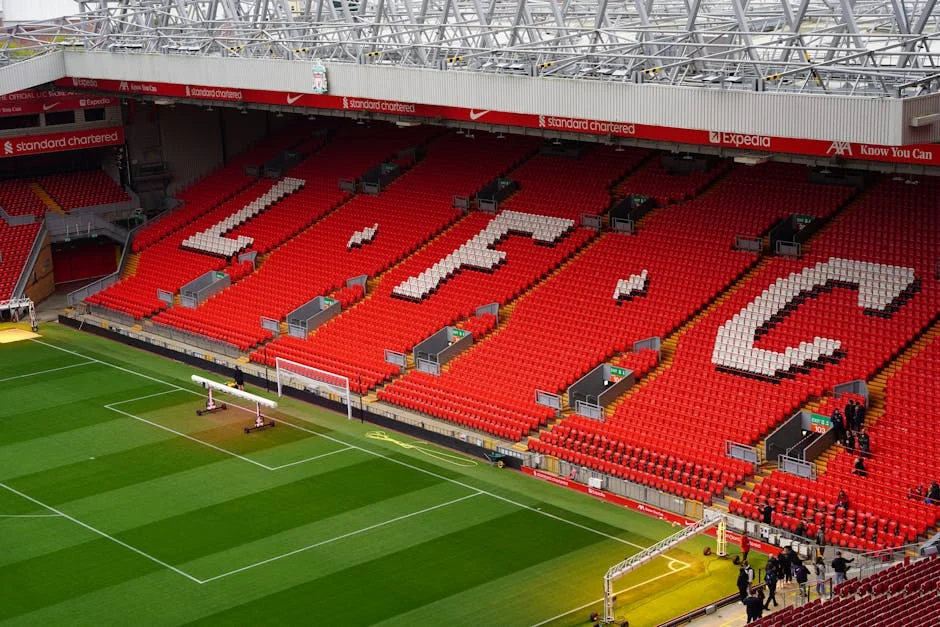
Galatasaray, the Turkish giants, have secured a crucial lead over Liverpool in the UEFA Champions League, setting a significant milestone for teams from Turkey and beyond. The match, held at the Ali Sami Yen Stadium in Istanbul, saw the Turcos outplay their English counterparts, leaving Liverpool scrambling for a comeback in the second leg.
The Match That Shocked Europe
In a thrilling encounter, Galatasaray managed to secure a commanding lead against Liverpool, a feat that has caught the attention of football enthusiasts across the globe. The match was marked by fierce competition, tactical brilliance, and sheer determination from the Turkish side. This victory not only showcases the growing prowess of Turkish football but also highlights the increasing competitiveness of teams from Eastern Europe and Asia in European club competitions.
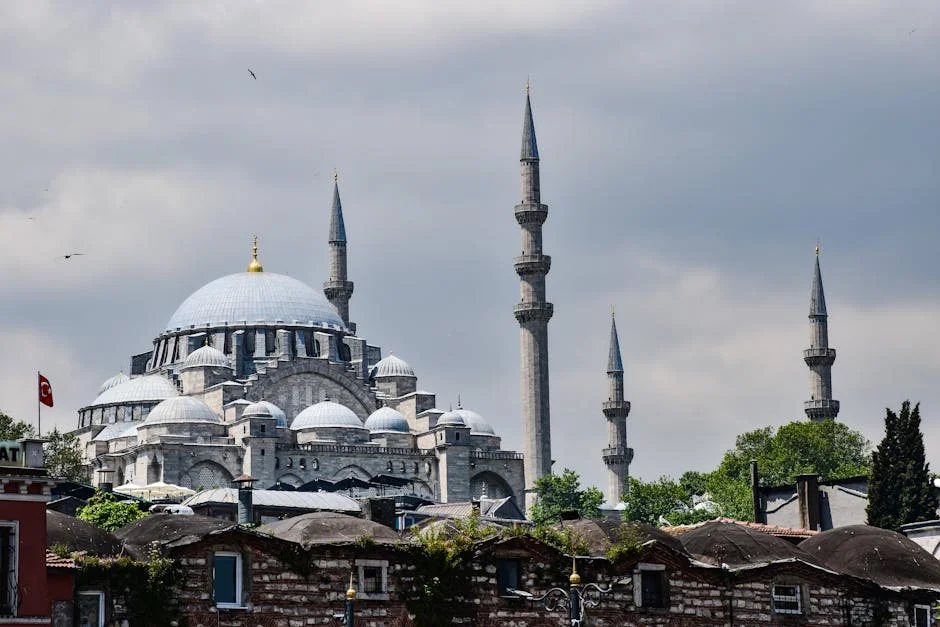
Galatasaray's win comes as a stark reminder of the evolving landscape of international football, where traditional powerhouses are facing stiff competition from up-and-coming teams. The team's success in the UEFA Champions League can be attributed to their well-structured training programs, strategic investments in youth development, and a focused approach towards building a competitive squad.
Turkish Football's Rise and Its Impact
The rise of Turkish football is not just a local triumph but also a beacon of hope for other nations seeking to strengthen their footballing infrastructure. Turkey’s investment in sports facilities, coaching academies, and player development programs mirrors the efforts being made in many African countries to boost their sporting sectors. For instance, Nigeria has been focusing on improving its football infrastructure through initiatives such as the Super Eagles Development Programme, which aims to nurture young talent.
Galatasaray's success could serve as a model for African clubs looking to compete on the global stage. By prioritising grassroots development, investing in modern training facilities, and fostering a culture of excellence, Turkish clubs have managed to produce world-class players and achieve significant milestones in major tournaments.
Economic Growth Through Sports
The surge in footballing success in Turkey has also had a positive economic impact. Increased visibility in international competitions has boosted tourism, merchandise sales, and overall revenue for the sport. Similarly, the development of a robust sports sector can contribute significantly to economic growth in Africa. In Nigeria, for example, the government has recognised the potential of sports to drive economic development, with plans to create jobs, attract foreign investment, and enhance the country's global profile.
Furthermore, the economic benefits extend beyond immediate financial gains. A thriving sports industry can lead to the creation of ancillary businesses such as sports equipment manufacturing, hospitality services, and media coverage, thereby diversifying the economy and creating new opportunities for employment.
Governance and Infrastructure: Key to Success
Effective governance and robust infrastructure are critical components of any successful sports programme. In Turkey, the government has played a pivotal role in supporting the development of football, from providing funding for stadiums and training facilities to implementing policies that encourage youth participation. These measures have helped create a sustainable ecosystem that supports long-term success in the sport.
African nations can learn from Turkey's approach by focusing on similar strategies. Strengthening governance structures within sports organisations, investing in state-of-the-art facilities, and ensuring transparent management practices can help foster a conducive environment for athletes to thrive. Nigeria, for instance, has launched several initiatives aimed at improving sports governance, including the establishment of the Nigerian Sports Commission, which oversees the development and regulation of sports activities across the country.
Health and Education: Building Strong Foundations
Beyond the immediate benefits of sports success, there is a broader impact on health and education. Engaging in regular physical activity can improve overall health outcomes, reduce obesity rates, and promote a more active lifestyle. Additionally, sports programmes often incorporate educational components, providing young people with valuable life skills and opportunities for personal development.
In Turkey, schools and community centres have integrated sports into their curricula, offering students access to various athletic activities and promoting holistic development. This approach aligns closely with initiatives in Africa aimed at integrating sports into educational frameworks. Nigeria's 'Sport for All' programme, for example, seeks to make sports accessible to all Nigerians, regardless of age or socioeconomic status, with a particular focus on using sports as a tool for social inclusion and empowerment.
Looking Ahead: Opportunities and Challenges
As Galatasaray prepares for the second leg of their Champions League tie against Liverpool, they will undoubtedly face tough competition. However, their recent success serves as an inspiration for other clubs in Turkey and around the world, including those in Africa. The journey ahead will require continued dedication, strategic planning, and unwavering commitment to excellence.
For African teams, the path to success involves overcoming numerous challenges, from inadequate infrastructure to limited financial resources. Yet, the example set by Turkish clubs demonstrates that with the right approach and sustained effort, it is possible to achieve remarkable results on the global stage. As Nigeria and other African nations continue to invest in their sports sectors, they can draw valuable lessons from the Turkish experience to drive progress and inspire future generations of athletes.