In a move highlighting its diplomatic ambitions, the European Union (EU) has unveiled a new strategy to balance its relationships with both the United States and China. This decision comes during a period marked by heightened tensions between the two global powers and is set to influence various sectors, including economics and international governance.
Brussels' Delicate Balancing Act
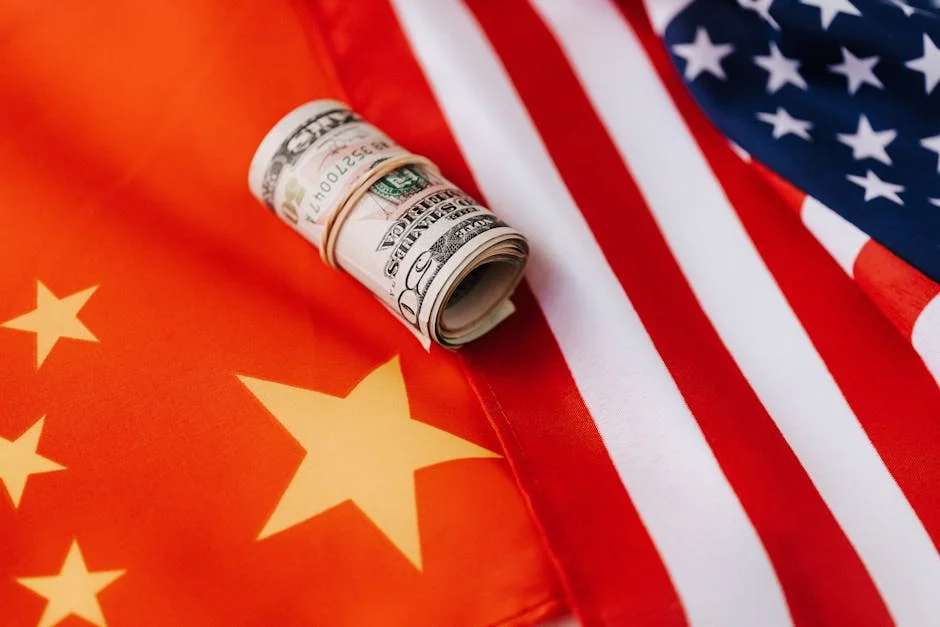
The EU's recent diplomatic efforts, characterised by a 'love fest' during high-profile meetings with US Secretary of State Antony Blinken, underscore a commitment to maintain strong ties with Washington. However, EU officials have also signalled that they will not ignore the growing influence of China on global affairs. This dual approach aims to leverage opportunities from both powers while safeguarding European interests amid emerging geopolitical challenges.
Why This Matters for Africa
The EU's strategic pivot resonates deeply with African nations, particularly in the context of economic growth and development goals. As China continues to expand its footprint across the continent through investment in infrastructure and trade, African countries find themselves at a crossroads. The EU's shift may provide alternative partnerships that could enhance development outcomes, especially in sectors like health and education, which are critical for the continent's future.
China's Role in African Development
China's significant investment in African infrastructure over the past decade has transformed many economies. Projects ranging from railways to energy facilities have revitalised trade routes and enhanced connectivity. However, concerns over debt sustainability and the environmental impact of these projects have prompted a reconsideration of foreign investment strategies across the continent. The EU's new approach could offer a more balanced alternative, fostering sustainable development in alignment with African priorities.
Potential Consequences for Governance and Policy
The EU's initiative to engage with both the US and China could lead to a more competitive environment for influence in Africa. This competition may benefit African nations by giving them leverage in negotiations, allowing for the pursuit of a development agenda that aligns with local needs rather than merely serving the interests of external powers. The onus will be on African governments to navigate these relationships prudently to ensure that they translate into tangible benefits for their populations.
What to Watch For Next
As the EU rolls out its new strategy, observers will be keen to see how it manifests in concrete policies and partnerships within Africa. Key areas to monitor include infrastructure projects, health initiatives, and educational exchanges. Additionally, the outcomes of negotiations between the EU, the US, and China will be pivotal in shaping the future development landscape of Africa. This evolving dynamic presents both challenges and opportunities for the continent, demanding a proactive approach from its leaders.