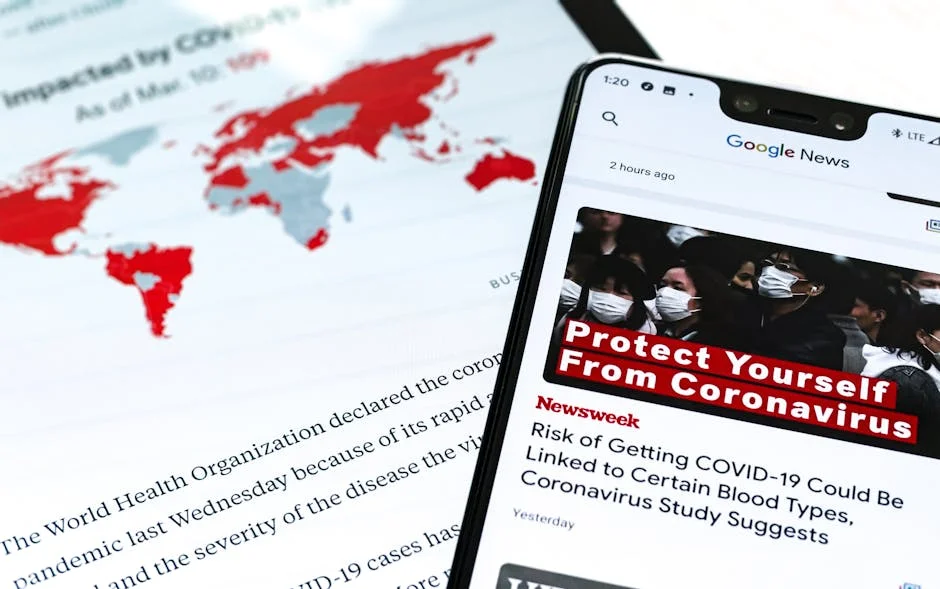
EU leaders have expressed deep concern over the recent joint US-Israeli military operation against Iranian targets, a move that has sparked debate about its implications for global stability and Africa's development goals. The attacks, which took place last week, targeted several Iranian military sites and facilities, prompting an immediate response from Iran.
The EU's Response
The European Union, long committed to diplomatic solutions and multilateralism, has been particularly vocal about the potential destabilising effects of the attacks. French President Emmanuel Macron, speaking at a press conference in Paris, called for restraint and dialogue to address the situation. "We urge all parties to exercise maximum caution and engage in meaningful negotiations," he stated. His comments reflect a broader European stance that favours de-escalation and the maintenance of international norms.
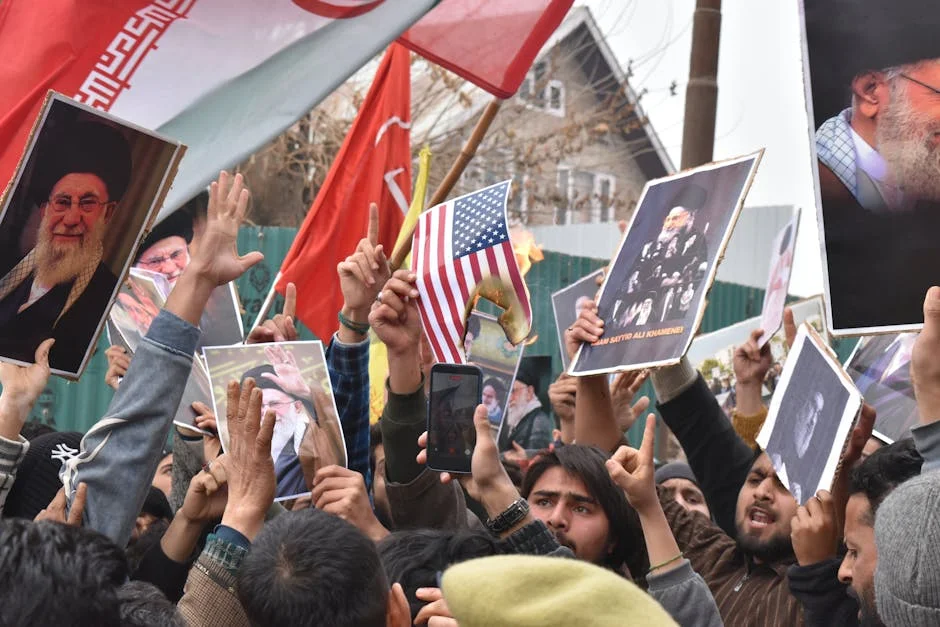
German Chancellor Olaf Scholz echoed similar sentiments, stressing the importance of maintaining the Joint Comprehensive Plan of Action (JCPOA), commonly known as the Iran nuclear deal. "The JCPOA remains crucial for regional stability and global security," he said. The deal, which aimed to curb Iran's nuclear programme in exchange for sanctions relief, has been under threat since the US unilaterally withdrew in 2018.
Implications for Africa
The geopolitical tensions between the US, Israel, and Iran could have significant repercussions for Africa, a continent that has been working towards achieving the United Nations' Sustainable Development Goals (SDGs). These goals include poverty reduction, improved healthcare, quality education, and sustainable economic growth, all of which are now potentially at risk due to increased global instability.
Africa's economic ties with both the West and Iran are complex. Many African countries have benefited from Iranian investment in infrastructure projects and trade agreements, especially in energy and agriculture. However, the continent also relies heavily on Western financial institutions and technology transfers for its development initiatives. A further escalation of hostilities could disrupt these relationships, leading to funding cuts and reduced access to critical resources.
Risk of Disrupted Supply Chains
One of the immediate concerns is the potential disruption of supply chains. Africa imports a significant amount of machinery, pharmaceuticals, and agricultural inputs from Iran, as well as Western countries. Any interruption could lead to shortages and price hikes, impacting industries such as manufacturing and healthcare. For instance, the medical sector, already grappling with the aftermath of the COVID-19 pandemic, could face severe challenges if supply lines are compromised.
Moreover, the conflict could also affect Africa's energy sector. Iran is a major oil producer and exporter, and any disruption to its operations could cause fluctuations in global oil prices, affecting economies that depend on oil revenues or import significant amounts of oil.
Governance Challenges
The crisis also highlights the challenges faced by African nations in navigating complex geopolitical landscapes. Many African leaders are caught between aligning with traditional allies in the West and fostering new partnerships with emerging powers like Iran. This balancing act can strain diplomatic efforts and complicate decision-making processes, especially regarding national security and foreign policy.
Furthermore, the heightened tension could divert attention and resources away from domestic priorities, such as governance reforms and anti-corruption measures. African governments may find themselves increasingly focused on external threats rather than addressing internal issues that affect their citizens' daily lives.
Opportunities for Regional Cooperation
Despite the risks, the current situation also presents opportunities for enhanced regional cooperation among African nations. By working together to mitigate the impact of global conflicts, African countries can strengthen their collective bargaining power and resilience. Initiatives like the African Continental Free Trade Area (AfCFTA) aim to create a single market for goods and services, reducing dependency on external suppliers and promoting intra-African trade.
Regional organisations such as the African Union (AU) can play a crucial role in facilitating dialogue and mediation efforts. By leveraging their influence and expertise, the AU can help stabilise the situation and promote peaceful resolutions that benefit all parties involved.
Looking Ahead
As the situation continues to evolve, African leaders will need to carefully navigate the complex interplay of interests and alliances. While the immediate focus may be on mitigating the short-term impacts of the crisis, there is also an opportunity to build more resilient and self-reliant economies in the long term.
Ultimately, the actions taken by EU leaders and other global actors in response to the US-Israeli attacks on Iran will shape the future landscape of international relations and development. For Africa, this moment underscores the importance of strategic planning, diversified partnerships, and robust governance structures to ensure continued progress towards achieving the continent's development goals.