As Ethiopia grapples with the aftermath of its civil conflict, women who fought in the Tigray war are sounding alarms about the potential for renewed violence. These female veterans, having endured the harrowing effects of the last civil war, are now sharing their experiences to warn against the cyclical nature of conflict in the region.
Voices from the Frontlines: Women of Tigray Speak Out
The Tigray conflict, which erupted in November 2020, resulted in significant loss of life and widespread displacement. Women, who played crucial roles in the fighting, are now stepping forward to recount their stories. One former combatant, Aster Tesfaye, stated, "We fought for our rights, but the costs were devastating. If we do not learn from our past, we risk repeating the same mistakes."
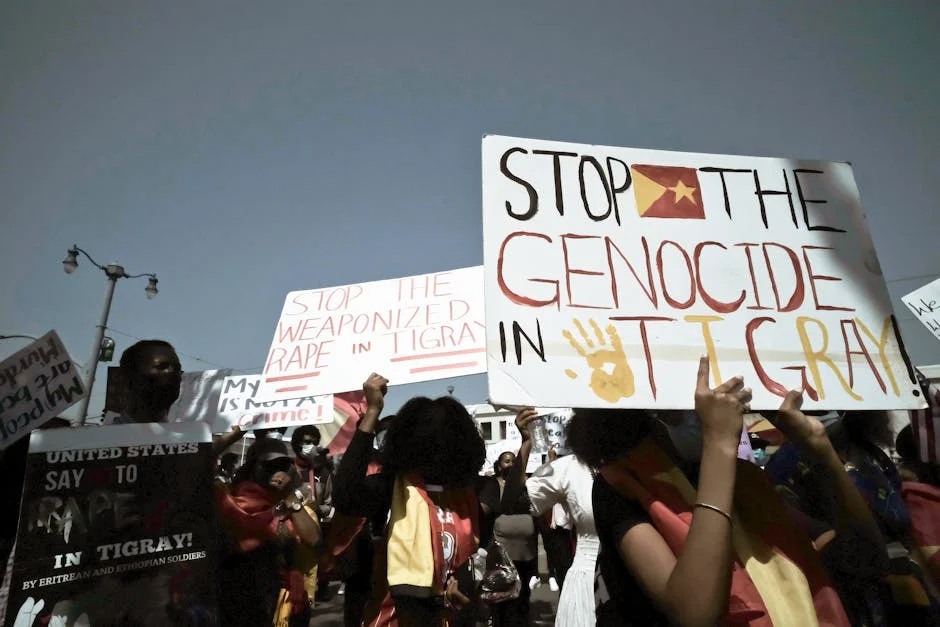
The impact of the Tigray war extended beyond regional borders, affecting the stability of the entire Horn of Africa. As these women highlight the lessons learned, they also stress the importance of peaceful resolutions and governance reforms to prevent future conflicts.
Implications for African Development Goals
The ongoing instability in Ethiopia poses serious challenges to the African development goals (ADGs), particularly in the spheres of peace, justice, and strong institutions. Tigray developments explained reveal how civil unrest directly undermines economic growth and disrupts education and health services, essential for sustainable development.
The African Union (AU) and various international bodies have been advocating for conflict prevention strategies aimed at fostering governance and accountability in Ethiopia. Women like Aster Tesfaye are not only bearing witness to the consequences of war but are also becoming vital advocates for peace and development in the region.
Continental Challenges and Opportunities for Nigeria
The Tigray crisis's ramifications are felt as far as Nigeria, particularly in how conflicts can influence migration patterns and economic stability across the continent. How Ethiopia affects Nigeria is a critical concern for Nigerian policymakers and civil society, especially as they consider lessons learned from Tigray.
As Nigeria faces its own challenges with security and governance, the experiences of Tigray’s female veterans can serve as a blueprint for conflict resolution and empowerment in Nigeria. Investing in women's leadership in peace processes has been shown to yield positive outcomes in stabilising regions afflicted by war.
What Lies Ahead for Ethiopia and the Region
As Ethiopia news today continues to unfold, the voices of these women are increasingly crucial in discussions about the future of the country. Their experiences shine a light on the urgent need for reconciliation and sustainable development. The Ethiopian government, along with international partners, must heed these warnings and work diligently to implement reforms that address the root causes of conflict.
What is Ethiopia's path forward? The commitment to promoting women's roles in peacebuilding could play a significant role in shaping a brighter future. As these women advocate for change, they remind us that the scars of war run deep, and the path to peace requires collective effort and vigilance.