Ethiopia has announced a suspension of ceasefire talks with the Tigray People’s Liberation Front (TPLF), raising concerns about a potential resurgence of conflict in the region. The decision, made following recent escalations, comes at a critical time as Africa seeks to strengthen its unity and progress towards shared development goals.
Tensions Rise as Ceasefire Negotiations Halt
The Ethiopian government declared an end to ceasefire discussions with the TPLF, citing increased hostilities and violations of the truce agreement. This move signals a significant setback for efforts to achieve lasting peace in the Tigray region. The announcement has sparked international concern, with many countries urging both sides to resume dialogue.
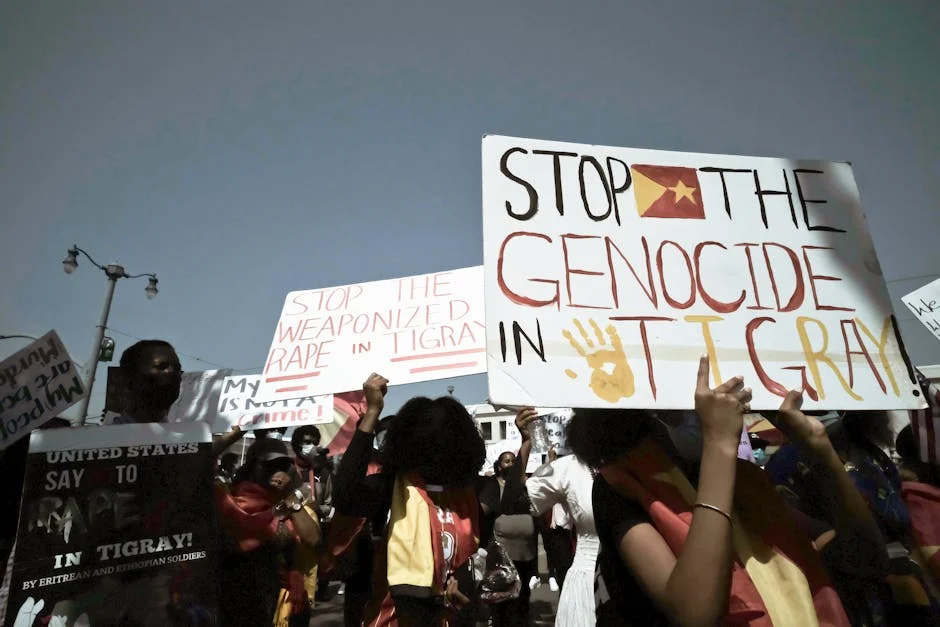
The conflict in Tigray began in November 2020 when Prime Minister Abiy Ahmed ordered military operations against the TPLF, accusing them of attacking federal army camps. Since then, the fighting has resulted in widespread humanitarian crises, including food shortages and displacement of civilians.
Africa's Quest for Unity and Peace Threatened
This renewed tension in Tigray poses a challenge to Africa’s broader objectives of unity and peace. The continent has been working towards fostering a stable environment conducive to development through initiatives such as the African Union’s Agenda 2063, which aims to build a peaceful, prosperous, and integrated continent.
The instability in Ethiopia not only affects the immediate region but also has far-reaching implications for neighbouring countries. Kenya and Sudan, among others, have expressed concern over the potential spillover effects of the conflict, including refugee influxes and security threats.
Humanitarian Impact on Regional Stability
The ongoing crisis in Tigray has severe humanitarian consequences, with millions facing starvation and displacement. According to the United Nations, over nine million people require urgent assistance, with access to aid severely hampered by ongoing hostilities.
The humanitarian situation in Tigray highlights the broader challenge of addressing developmental needs in conflict zones. Ensuring basic services such as healthcare and education remains a significant hurdle, exacerbated by the lack of political stability.
Economic Growth and Investment Under Threat
The conflict in Tigray also threatens economic growth and investment across the Horn of Africa. Ethiopia, often hailed as one of Africa’s fastest-growing economies, risks losing investor confidence due to the prolonged instability.
The World Bank estimates that the conflict could cost Ethiopia up to $10 billion in lost GDP. This financial burden not only impacts Ethiopia but also affects regional trade partners, including Nigeria, which relies on Ethiopian markets for agricultural exports.
International Community Responds
The international community has responded with calls for de-escalation and renewed negotiations. The United States, European Union, and African Union have all issued statements urging both parties to return to the negotiating table.
However, achieving lasting peace requires more than just diplomatic pressure. It necessitates addressing underlying grievances and implementing comprehensive reforms to ensure inclusive governance and equitable development.
Path Forward: Strengthening Regional Cooperation
To navigate this complex situation, there is a growing recognition of the need for strengthened regional cooperation. Initiatives such as the East African Community and the Intergovernmental Authority on Development (IGAD) can play pivotal roles in mediating disputes and promoting stability.
Furthermore, focusing on development projects that benefit all communities can help build trust and foster long-term peace. Investments in infrastructure, healthcare, and education are crucial steps towards ensuring sustainable development and preventing future conflicts.
The situation in Tigray underscores the interconnectedness of peace, development, and stability in Africa. As the continent strives to meet its ambitious development goals, resolving conflicts and fostering unity will be essential. The eyes of the world are on Ethiopia, hoping for a resolution that paves the way for a brighter, more united future for all Africans.