In a groundbreaking performance during Ramadan, an Egyptian female artist has taken on the traditionally male-dominated Sufi practice of whirling in Cairo. This daring act not only showcases her talent but also raises questions about gender roles within Islamic culture.
Breaking Stereotypes in Sufi Traditions
The performance, held at a prominent cultural venue in Cairo, attracted a diverse audience drawn by the artist's reputation for challenging societal norms. The artist, whose identity remains undisclosed for personal safety, mesmerised spectators with her whirling, a form of meditation deeply rooted in Sufi belief. Traditionally, this practice has been dominated by male performers, but her participation marks a significant shift in the landscape of Islamic art and spirituality.
The Cultural Significance of Whirling
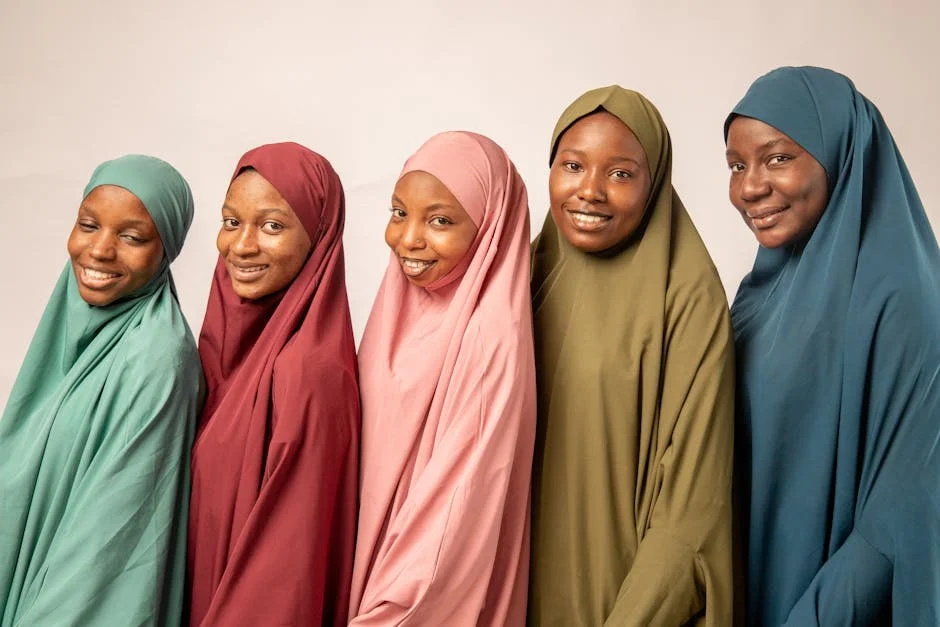
Sufi whirling is more than just a dance; it is a spiritual practice aimed at achieving a state of trance and closeness to the divine. This deeply Islamic tradition underscores the intersection of art and religion. By stepping into the male-dominated sphere, the artist not only reclaims space for women in Islamic practices but also invites dialogue on broader gender issues within African and Islamic contexts.
Why This Matters for African Development Goals
The performance resonates with several African development goals, particularly in promoting gender equality and empowering women in cultural spheres. In many African countries, including Egypt, cultural practices can often reflect broader societal norms that limit women's participation in public life. By challenging these norms, the artist paves the way for future generations of women to engage in similar artistic expressions, fostering an environment of inclusivity and support.
The Broader Islamic Culture Update
This event is emblematic of a wider shift within Islamic culture, where women's voices are increasingly finding platforms in traditionally male-dominated areas. As Nigeria continues to grapple with issues of gender equality, the implications of this Egyptian development cannot be understated. Understanding these shifts helps contextualise the challenges and opportunities faced by women across the continent, including in Nigeria, where Islamic developments are also evolving.
Looking Ahead: Consequences for Gender Roles in Islamic Society
The impact of this performance could spur a new wave of female artists in the Islamic community, both in Egypt and beyond. As women reclaim their narratives, it becomes crucial for policymakers and cultural institutions to support such movements, ensuring that gender equity becomes a cornerstone of African development strategies. The eyes of the continent are on Cairo, as the world watches how this bold statement will influence the future of women's roles in both art and spirituality.