Contamination Hits Kerala's Lakes, Echoing Africa's Water Woes
Water Crisis in Alappuzha
The picturesque town of Alappuzha in Kerala, India, has recently faced significant contamination along its iconic Ashtamudi and Vembanad lakes. This event not only poses immediate threats to local residents but also highlights the broader challenges that many regions across the world, including parts of Africa, face in managing their water resources effectively.
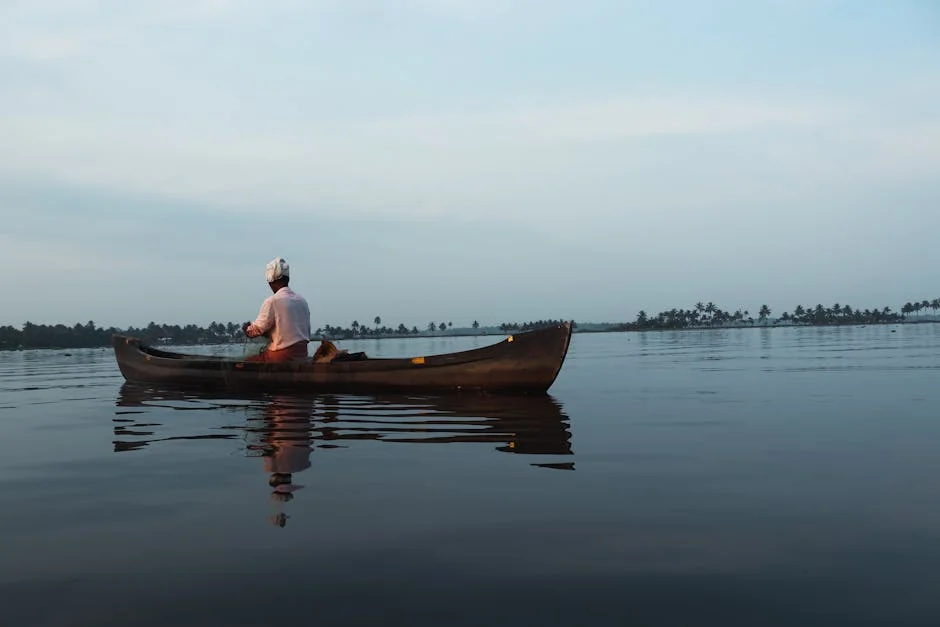
In Alappuzha, the contamination is believed to stem from industrial waste and agricultural runoff, which have seeped into the lakes, affecting both the quality and quantity of available water. This situation underscores the importance of robust environmental policies and sustainable practices, crucial elements in achieving the United Nations Sustainable Development Goals (SDGs).
African Water Challenges
Across the continent, millions of Africans rely on freshwater sources such as rivers, lakes, and groundwater for drinking, irrigation, and sanitation. However, these resources often suffer from pollution due to industrial activities, inadequate waste management systems, and climate change. Just like in Alappuzha, these factors can lead to contaminated water supplies, posing serious risks to public health and economic stability.
The SDG 6, which aims to ensure availability and sustainable management of water and sanitation for all, is particularly relevant to Africa. Achieving this goal requires addressing not only physical access to clean water but also improving water quality and ensuring long-term sustainability through better governance and infrastructure.
Economic Impact on Local Communities
The contamination in Alappuzha could have far-reaching effects on the local economy, especially given the town’s reputation as a major tourist destination. Hotels, restaurants, and other businesses that depend on visitors might see a decline in revenue if the issue is not resolved promptly. Similarly, in Africa, water-related industries such as agriculture and fisheries play a vital role in supporting livelihoods and food security.
In both cases, maintaining healthy water ecosystems is essential for sustaining economic growth and development. Efforts to improve water quality and accessibility can therefore contribute significantly to poverty reduction and overall prosperity.
Governance and Infrastructure
Effective governance and well-maintained infrastructure are key to managing water resources successfully. In Alappuzha, local authorities are working to identify the sources of contamination and implement measures to address them. This involves collaboration between government agencies, non-governmental organisations, and community members.
In Africa, similar collaborative efforts are needed to tackle water-related challenges. Strengthening institutions responsible for water management, investing in modern technology, and enhancing public participation can help create more resilient and adaptive systems capable of handling future changes.
Health Implications
The contamination in Alappuzha poses direct health risks to the local population, potentially leading to gastrointestinal illnesses, skin conditions, and other ailments. Access to clean water is fundamental to good health, making it a critical component of any strategy aimed at improving public wellbeing.
In Africa, where millions lack access to safe drinking water, the connection between water quality and health is even more pronounced. Improvements in this area can have wide-ranging benefits, reducing the incidence of waterborne diseases and enhancing overall life expectancy.
Learning from Alappuzha
The experience in Alappuzha serves as a reminder of the interconnectedness of environmental, economic, and social factors when it comes to water management. It highlights the need for integrated approaches that consider both immediate needs and long-term sustainability.
By studying and adapting successful strategies from places like Alappuzha, African nations can make strides towards achieving their own water-related development goals. This includes adopting innovative solutions for waste disposal, strengthening regulatory frameworks, and fostering community involvement in water resource management.
The contamination in Alappuzha’s lakes may seem distant to Nigerian readers, but it resonates with the broader narrative of water security and development across the globe. By understanding and learning from these experiences, we can work towards a future where clean, accessible water is a reality for everyone.