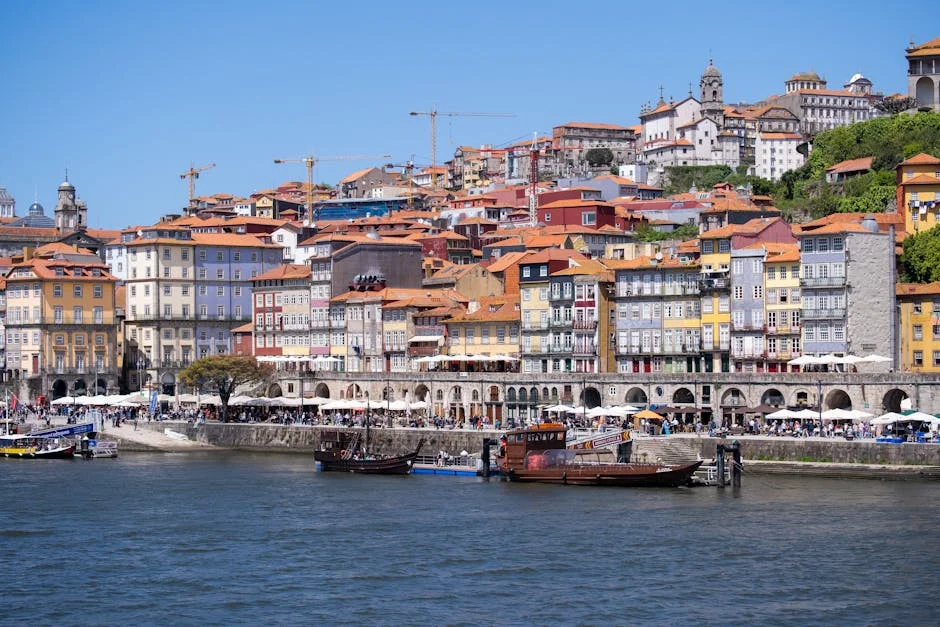
On October 15, 2023, the beach wall in Moledo collapsed due to severe coastal erosion, prompting immediate local government action. The incident has raised alarms about the broader implications for coastal communities across Africa, particularly in light of ongoing infrastructure challenges.
Moledo's Coastal Collapse: What Happened?
The beach wall in Moledo, a seaside town in Portugal, fell victim to relentless waves and rising sea levels, resulting in significant property damage and threatening local tourism. The event occurred following months of heavy rainfall and coastal storms, exacerbating the already critical situation. Local authorities have confirmed that emergency measures are underway to address the immediate fallout.

Why This Matters: The Bigger Picture of Coastal Erosion
Coastal erosion is not just a localised issue; it poses a significant threat to many African nations, whose economies rely heavily on coastal tourism and fishing. The incident in Moledo serves as a stark reminder that without substantial investment in infrastructure and climate resilience, similar dangers loom for vulnerable regions across the continent.
Impact on Nigeria: Lessons from Moledo
Nigeria, with its extensive coastline, faces similar challenges. Cities like Lagos are already grappling with the consequences of coastal erosion and flooding. The Moledo incident underscores the urgent need for Nigeria to enhance its coastal management strategies, aligning with the African Union’s Agenda 2063 goals of sustainable development and climate resilience.
Infrastructure Development: A Call to Action
In light of the Moledo collapse, experts are calling for immediate action to bolster coastal infrastructure across vulnerable areas. Investments in durable coastal barriers, regular maintenance, and environmental restoration are critical steps that can safeguard communities. This aligns with African development goals, particularly in improving infrastructure and governance.
Future Considerations: What Comes Next?
The collapse in Moledo invites scrutiny of current policies and their adequacy in addressing climate change impacts. As Nigeria and other African nations look towards sustainable development, the lessons learned from this incident could invigorate discussions about improved coastal management practices, fostering a proactive rather than reactive approach to environmental challenges.