Residents of Chikkamagaluru have staged a significant protest against the state government over the denial of the annual urs rituals at the Bababudangiri shrine. This event, which unfolded earlier this week, has sparked tensions between local communities and state authorities.
Protests Erupt Over Cultural Rights
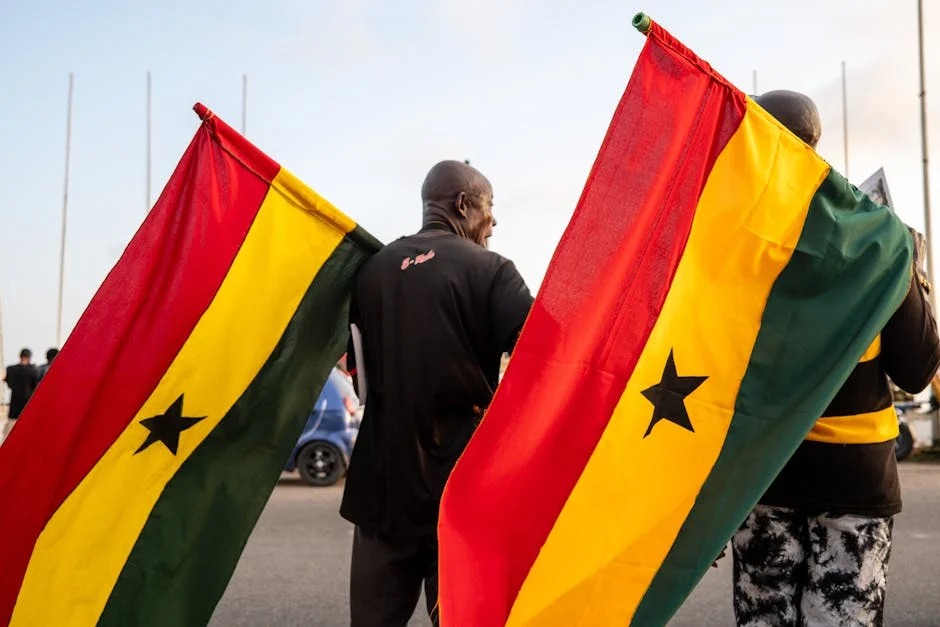
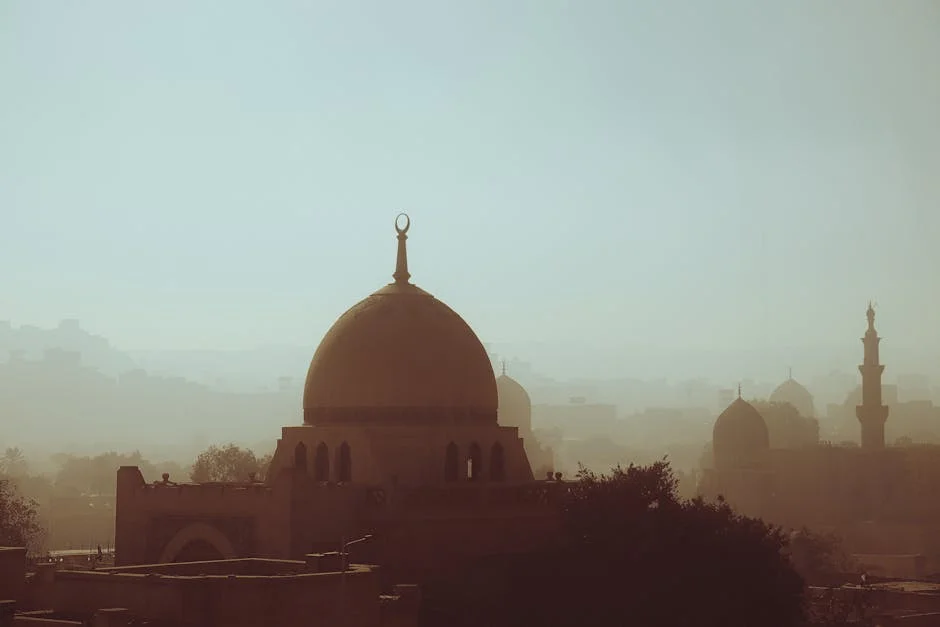
The protest erupted on Monday, with hundreds of residents gathering at the Bababudangiri shrine, demanding that the state government allow the traditional urs rituals to proceed as scheduled. The urs, which commemorates the saint Baba Budan, is a significant cultural and religious event for many in the region. Protesters expressed their frustration over what they perceive as an infringement on their cultural rights.

Political Reverberations in Chikkamagaluru
The Congress party has voiced strong opposition to the government's decision, claiming that it undermines communal harmony and local traditions. Local leaders from the Congress stated that the government's stance reflects a broader issue of neglecting the cultural heritage of various communities in the state. This incident has ignited discussions about the role of government in preserving cultural practices and how such decisions can lead to political unrest.
The Broader Context of Cultural Rights
This situation in Chikkamagaluru highlights a growing concern in various regions of Nigeria and across Africa, where cultural practices often clash with state policies. As African nations strive for development, the preservation of cultural heritage becomes a critical element of national identity and social cohesion. The denial of cultural expressions can lead to societal tensions, which in turn can impact governance and economic stability.
Implications for Governance and Stability
The Chikkamagaluru protests serve as a reminder of the delicate balance that governments must maintain between modern governance and respecting traditional practices. As African nations work towards achieving development goals, the incorporation of cultural rights into governance frameworks could provide opportunities for enhanced social cohesion and economic growth. It raises questions about how states can foster environments where diverse cultural practices are celebrated rather than suppressed.
What to Watch For Next
As the situation in Chikkamagaluru evolves, observers should pay close attention to the responses from local and state officials. Will the government reconsider its position on the urs rituals, or will the protests escalate further? The outcome could have significant implications not only for the region's political landscape but also for broader discussions on cultural rights and governance in Africa.