The Confederation of General Trade Unions (CGTP) has called for an urgent meeting with Portuguese Socialist Party leader António Costa, also known as Seguro, to discuss what they describe as a 'frontal attack' on workers' rights. This move comes at a time when African nations, including Nigeria, are focusing on strengthening their economies and improving working conditions for their citizens.
Nigeria's Focus on Labour Rights
The CGTP’s actions highlight the importance of robust labour rights in driving economic growth and stability. In Nigeria, the government is increasingly aware of the need to improve the conditions of its workforce to attract foreign investment and boost productivity. The country has been making strides in this area, with recent reforms aimed at modernising its labour laws and increasing protections for workers.
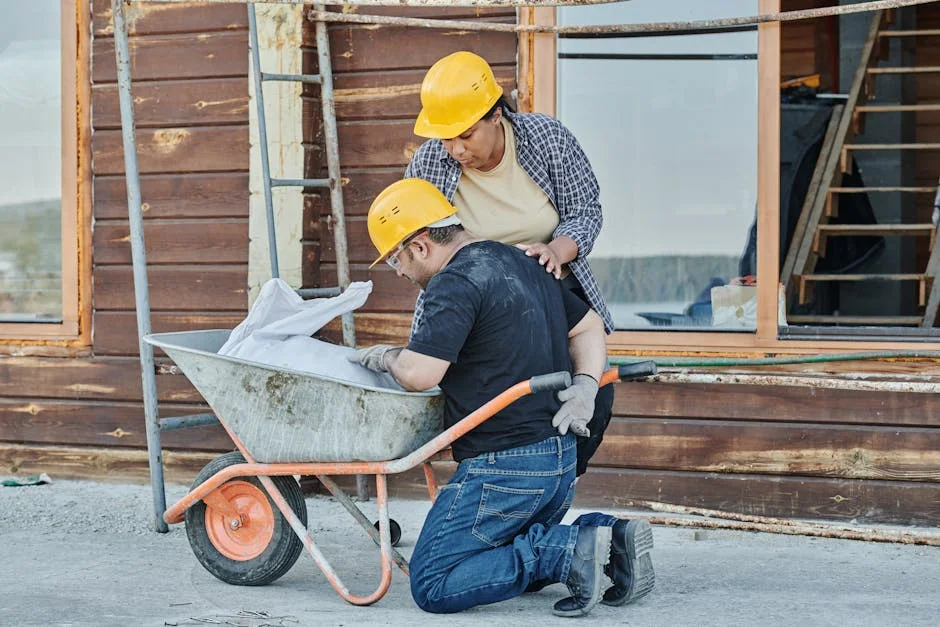
African countries, including Nigeria, are looking towards Portugal and other European nations as models for successful economic policies. By ensuring fair treatment of workers, these countries can set an example for others in the continent, fostering a more prosperous and equitable future for all Africans.
Portugal's Role in Shaping Labour Policies
The Portuguese Government, led by António Costa, plays a crucial role in shaping labour policies that affect not just its own citizens but also the broader context of European and even global economic dynamics. The CGTP’s demand for a meeting with Seguro underscores the importance of dialogue between trade unions and political leaders in crafting effective labour legislation.
In Nigeria, similar efforts are underway to engage with trade unions and other stakeholders to address pressing issues such as job security, wage increases, and better working conditions. These conversations are essential for creating a stable and prosperous environment for both workers and businesses.
Implications for African Development Goals
The CGTP’s push for improved worker rights in Portugal can serve as a catalyst for similar movements across Africa. As African nations strive to meet their development goals, they look to successful examples from around the world to guide their policy-making. Strong labour rights contribute to a healthier economy, attracting investment and boosting overall productivity.
In Nigeria, the government’s focus on labour reforms aligns closely with broader continental goals of fostering economic growth and social equity. By learning from the experiences of countries like Portugal, Nigeria can implement effective policies that benefit its workforce and contribute to the wider success of the African Union’s Agenda 2063.
The Impact on Nigeria’s Economy
The state of labour rights in Portugal, as highlighted by the CGTP’s concerns, serves as a reminder of the critical importance of fair and just working conditions. In Nigeria, improvements in this area could have significant positive effects on the economy. Better working conditions and increased job security can lead to higher levels of consumer spending and overall economic activity.
Nigeria’s ongoing efforts to strengthen its labour market reflect a commitment to achieving sustainable economic growth. By adopting progressive policies inspired by successes in Europe, Nigeria can create a thriving and prosperous environment for its workers, contributing to the country’s long-term development goals.
Looking Ahead: What to Watch Next
The outcome of the CGTP’s meeting with Seguro will be closely watched not just in Portugal, but also in Nigeria and beyond. Any changes to Portugal’s labour laws could provide valuable insights for African nations seeking to improve their own working conditions. As Nigeria continues its journey towards economic prosperity, it will be important to monitor developments in European countries for potential lessons and best practices.
The story of the CGTP’s demands offers a glimpse into the ongoing struggle for fair labour rights, a key component of Africa’s development narrative. As African nations work towards their goals of economic growth and social equity, the experiences and policies of European countries like Portugal will continue to play a vital role.