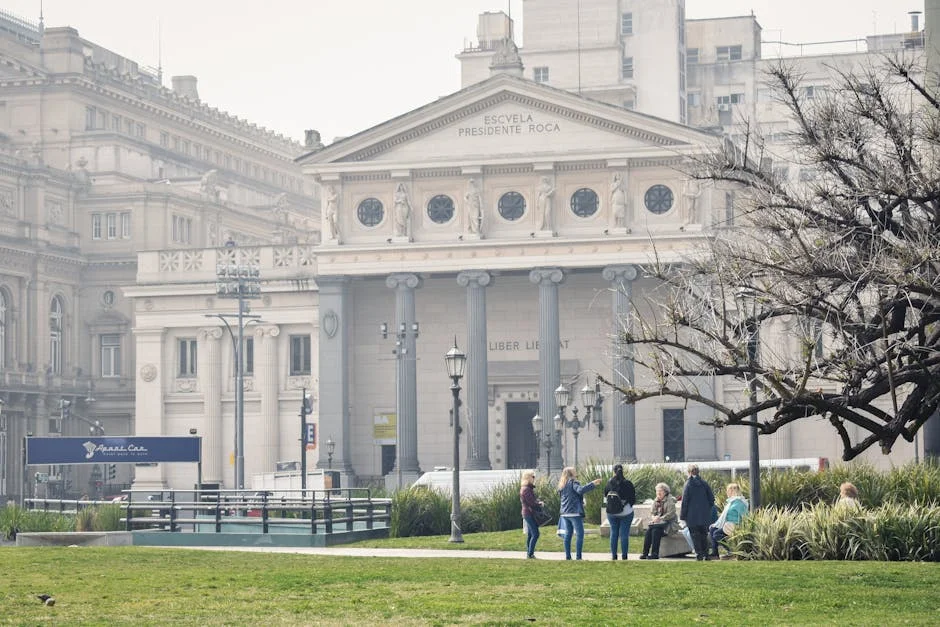
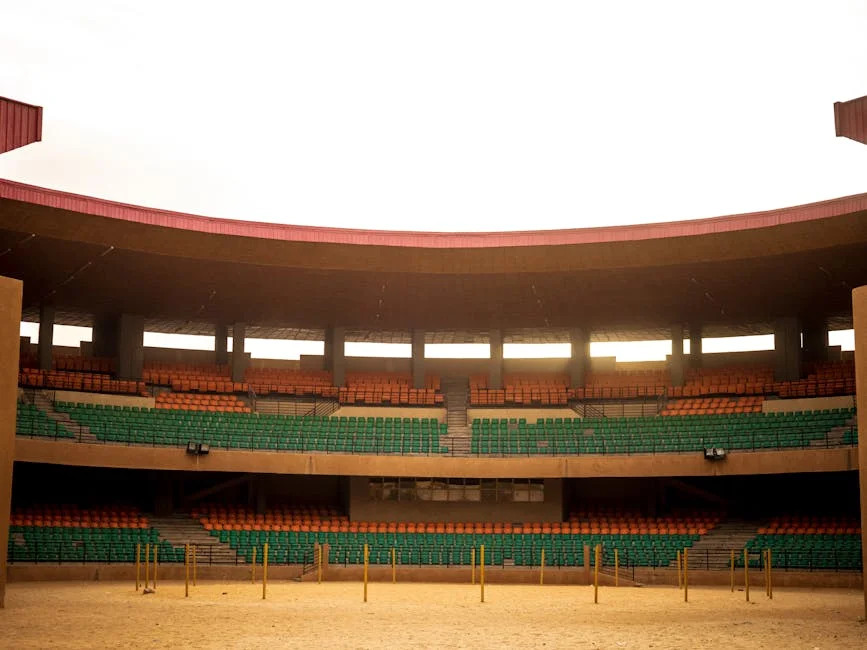
Catalonia's government, led by the Generalitat, has announced a substantial investment of €144 million in sports, aiming to enhance its profile through major events like the Tour de France and the Ryder Cup. This funding is set to support infrastructure, community initiatives, and international sporting events in 2024.
Tour de France: Catalonia's Global Showcase
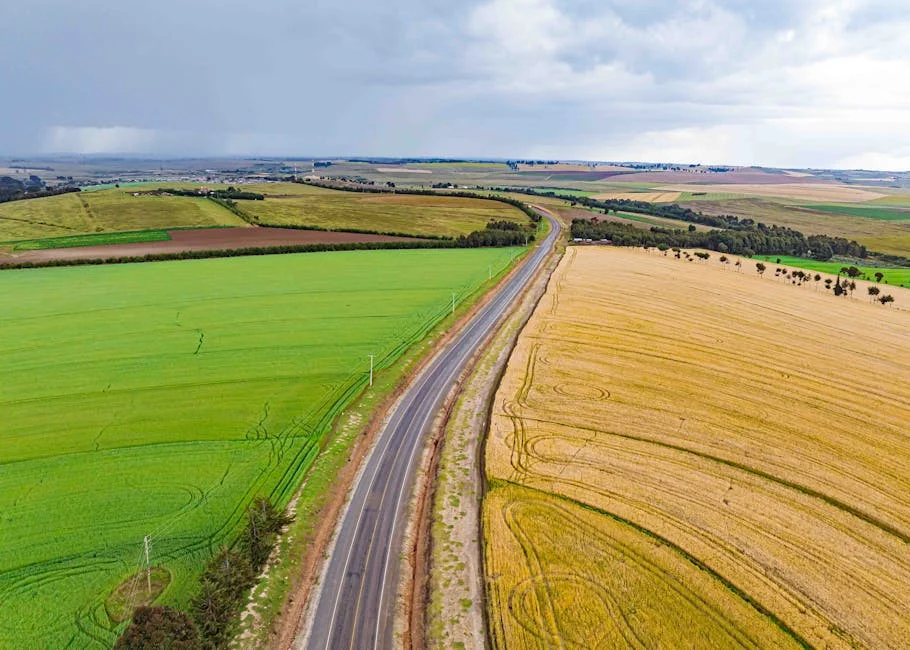
The Tour de France is scheduled to pass through Catalonia in 2024, bringing global attention to the region. This high-profile event is expected to attract thousands of spectators and millions of viewers worldwide, presenting an opportunity for Catalonia to enhance its tourism and economic growth. The Generalitat's investment aims to ensure proper infrastructure is in place, including roads, facilities, and hospitality services.
Ryder Cup: A Focus on Golf
Similarly, the Ryder Cup, a prestigious golf tournament, will see Catalonia as its host, further solidifying the region's reputation in international sports. The allocation of €144 million is strategically designed to boost sports infrastructure, with a significant portion directed towards the development of golf courses and related amenities.
Why Berni Matters: The Role of Key Figures
Sports Minister Berni has been a vocal advocate for this funding, asserting that these investments will not only elevate Catalonia's sporting landscape but also foster community engagement and youth participation in sports. His leadership is crucial, as it aligns with broader goals of enhancing physical health and social cohesion through sport.
Potential Impact on Africa: Lessons from Catalonia
The developments in Catalonia hold significant lessons for African nations. As countries on the continent strive to achieve their development goals, particularly in health, education, and economic growth, investing in sports can play a transformative role. For example, Nigeria, facing its own challenges in infrastructure and youth engagement, can draw inspiration from Catalonia’s model of using sports as a vehicle for community development and economic opportunities.
Opportunities and Challenges Ahead
As Catalonia moves forward with this initiative, it faces various challenges, including ensuring equitable access to sports facilities and fostering inclusivity among diverse communities. African nations can learn from these challenges, focusing on inclusive policies that address the needs of various demographics, particularly the youth.
In conclusion, as we examine the implications of Catalonia’s €144 million sports investment, it becomes clear that the intersection of sports, development, and economic growth holds invaluable lessons for African nations. By fostering a robust sports culture, Africa can tackle its challenges while seizing opportunities for growth and development.