The City of Cape Town has announced plans to develop an additional 1,000 hectares of nature reserves in September 2023, spearheaded by Carla Wood from the Environmental Management Department. This initiative aims to enhance biodiversity, support environmental conservation, and improve urban resilience.
Why the Initiative Matters for Cape Town
The decision to expand nature reserves is critical for Cape Town, which has faced significant environmental challenges, including water scarcity and urban sprawl. By creating new green spaces, the City aims to combat biodiversity loss and strengthen the ecosystem services that support both wildlife and residents.
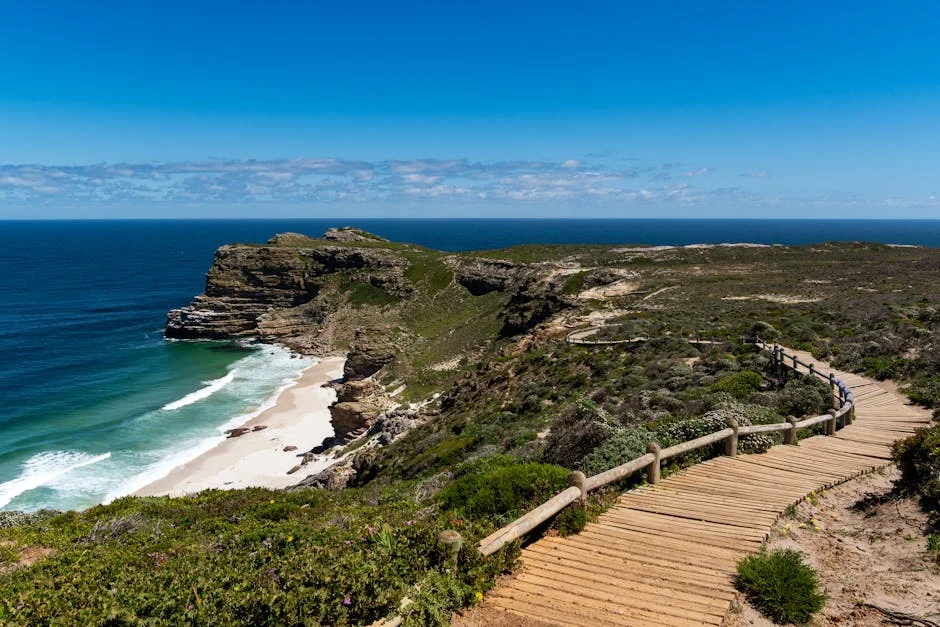
Carla Wood, a key figure in the City’s Environmental Management Department, emphasises the importance of these reserves in fostering community engagement and education on environmental issues. The initiative aligns with South Africa's broader national development goals, which focus on sustainability and climate resilience.
Linking Nature and Urban Development
Urban areas across Africa, including Cape Town, are experiencing rapid growth, often at the expense of natural environments. The City’s plan not only aims to protect existing ecosystems but also to integrate nature into urban planning. This approach could serve as a model for other cities in Africa facing similar challenges.
The initiative may have a ripple effect within the continent, as it highlights the necessity of balancing urbanisation with environmental sustainability. It challenges other African cities to rethink their own development strategies in light of climate change and social equity.
Potential Economic and Social Benefits
Investing in nature reserves is not merely an environmental issue; it has significant socioeconomic implications. Green spaces contribute to improved health outcomes for residents by providing areas for recreation, reducing air pollution, and enhancing mental well-being. Furthermore, they can boost local economies through ecotourism and sustainable livelihoods.
The City’s initiative is likely to create job opportunities, particularly in conservation and maintenance roles. This is vital in a continent where unemployment rates are high, particularly among the youth. Carla Wood’s vision for the reserves could inspire similar projects across Africa, potentially impacting economies as diverse as Nigeria’s.
The Pan-African Perspective: Opportunities for Collaboration
This initiative opens doors for collaboration between South African cities and other African nations like Nigeria, where urbanisation poses significant threats to natural habitats. By sharing best practices and lessons learned, cities can develop tailored strategies that address their unique challenges while aligning with the African Union’s Agenda 2063, which promotes sustainable development.
As cities like Cape Town take the lead in environmental stewardship, the emphasis on governance and community involvement becomes even more critical. The role of local governments in implementing such ambitious projects is essential for ensuring that they meet the needs of all community members.
Watch for Future Developments
As Cape Town progresses with its plans, stakeholders will be keenly observing the implementation phases and the impact on local communities. The City’s latest news will likely highlight how this initiative unfolds and its influence on urban planning across Africa.
In summary, Cape Town's expansion of nature reserves under Carla Wood’s guidance represents a significant step towards sustainable urban development. It not only addresses local environmental issues but also provides a framework for other cities across Africa to follow, particularly in the context of economic growth, health, and governance.