The Confederation of African Football (CAF) has postponed the Women’s Africa Cup of Nations (WAFCON) 2026, just 12 days before the tournament was scheduled to commence in Morocco. The decision has sent shockwaves throughout the African football community, raising questions about the future of women’s sports on the continent and its alignment with broader development goals.
Impact on Women’s Sports Development in Africa
The postponement of WAFCON 2026 not only disrupts the immediate plans of teams and fans but also highlights the ongoing challenges facing women’s sports in Africa. With a growing interest in women’s football, this setback represents a significant blow to the momentum that has been built in recent years. The tournament was expected to showcase talent and promote investment in women’s football across the continent, aligning with African development goals that emphasise gender equality in sports.
Morocco's Role as a Host Nation
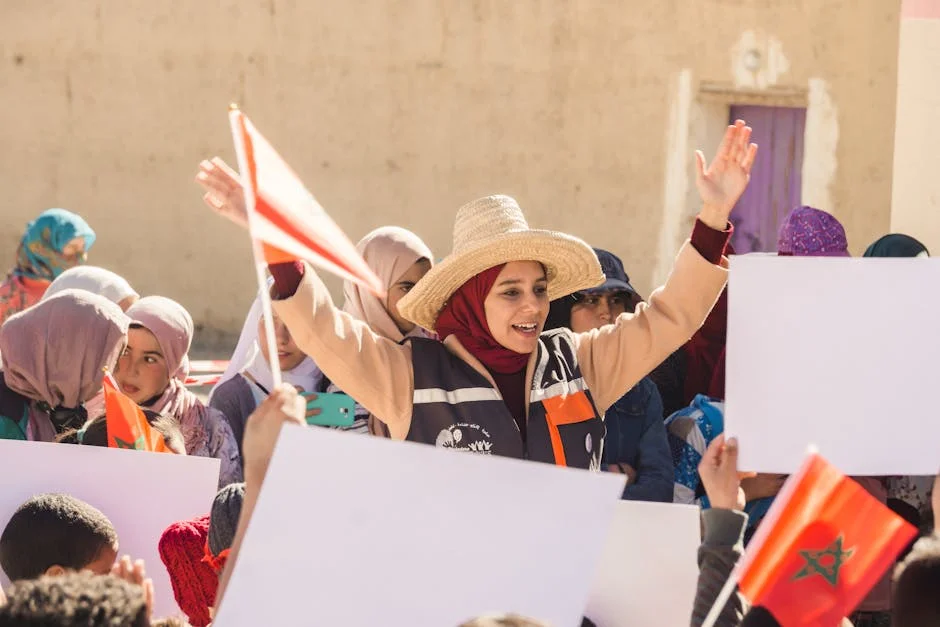
Morocco has positioned itself as a leader in promoting women’s sports, making this postponement particularly disappointing. The nation had been gearing up to host the tournament, intending to elevate the profile of women athletes and inspire a new generation of players. This development affects Morocco's ambitions to be a beacon for women’s sports in Africa and may deter future investments in sports infrastructure that are essential for nurturing talent.
Continental Challenges and Opportunities
The decision by CAF raises questions about the governance and logistical planning within African football. With the anticipated growth of women’s competitions crucial for achieving gender parity in sports, this incident underscores the need for better infrastructure, governance, and support systems. The cancellation may also inhibit economic opportunities for local businesses that rely on sporting events, impacting communities that had prepared to benefit from the influx of visitors and media attention.
Looking Ahead: What’s Next for Women’s Football
As stakeholders in African football look for ways to address these setbacks, it is critical to remain focused on the long-term goals of development and investment in women's sports. This postponement could serve as a catalyst for deeper discussions on how to better support women athletes and ensure their representation on international stages. As Nigeria and other countries assess their strategies, the emphasis must be on building resilient frameworks that can adapt to challenges.
Conclusion: A Call for Renewed Commitment
The CAF's decision to postpone WAFCON 2026 is a stark reminder of the challenges that continue to hinder the progress of women’s sports in Africa. It calls for renewed commitment from all stakeholders to align their efforts with the continent's development goals, ensuring that the future of women’s football is bright and promising, rather than uncertain. It is essential for nations like Morocco and Nigeria to come together to champion the cause of women in sports, leveraging this setback as an opportunity for reform and growth.