In a remarkable initiative, the Bombeiros have successfully collected more than 3,000 tonnes of recyclable materials in 2025, highlighting their commitment to environmental sustainability. This effort, which took place across various regions, underscores the crucial role of waste management in achieving broader African development goals.
Significance of the Bombeiros Initiative
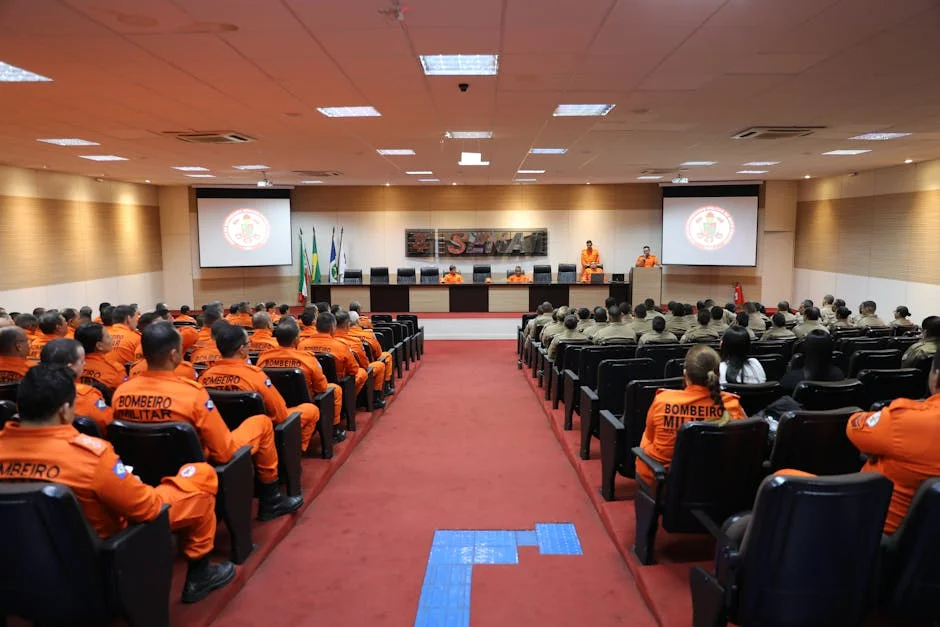
The Bombeiros, known for their dedication to emergency response and community service, have expanded their mandate to include significant environmental actions. By collecting and recycling over 3,000 tonnes of equipment, they are not only addressing waste disposal challenges but are also contributing to a cleaner, healthier environment.
This initiative aligns directly with the African Union’s Agenda 2063, which emphasises sustainable development and environmental protection as key pillars for the continent's future. The Bombeiros’ actions serve as a model for other organisations and countries in Africa, showcasing how local efforts can lead to substantial environmental benefits.
Exploring the Impact on Local Communities
In Nigeria and other African nations, waste management remains a pressing issue. With rapid urbanisation, cities are increasingly burdened by waste, necessitating innovative solutions. The Bombeiros' recycling efforts not only mitigate the environmental impact of waste but also create economic opportunities through the recycling industry.
Local communities benefit from the Bombeiros’ initiative as it raises awareness about recycling and environmental health. Educational campaigns accompanying the collection efforts have informed residents about the importance of proper waste disposal and recycling practices, fostering a culture of sustainability.
Challenges Ahead for Waste Management in Africa
Despite the progress made by the Bombeiros, numerous challenges remain. Many African countries still lack the infrastructure necessary for efficient waste management and recycling. This issue is compounded by limited funding and policy support for environmental initiatives.
Furthermore, the economic growth that many African nations are striving for can sometimes conflict with environmental goals. The Bombeiros' model highlights the need for a balanced approach that prioritises both development and sustainability, ensuring that economic activities do not come at the expense of the environment.
Future Opportunities for Collaborative Efforts
The success of the Bombeiros in their recycling initiative opens doors for collaboration across various sectors. Governments, private companies, and non-profits can unite to create comprehensive waste management strategies that not only improve recycling rates but also generate jobs and bolster local economies.
Moreover, the integration of technology into waste management processes could further enhance the efficiency of recycling efforts. Innovations in waste sorting, collection, and processing can lead to increased recycling rates and reduced environmental impact.
Conclusion: A Model for Pan-African Development
The Bombeiros' successful collection of over 3,000 tonnes of recyclables serves as a shining example of how local initiatives can align with continental goals for sustainable development. As Africa continues to navigate its development challenges, the emphasis on environmental sustainability through community-driven efforts like those of the Bombeiros will be crucial. These initiatives not only contribute to a cleaner environment but also pave the way for economic growth and improved governance across the continent.