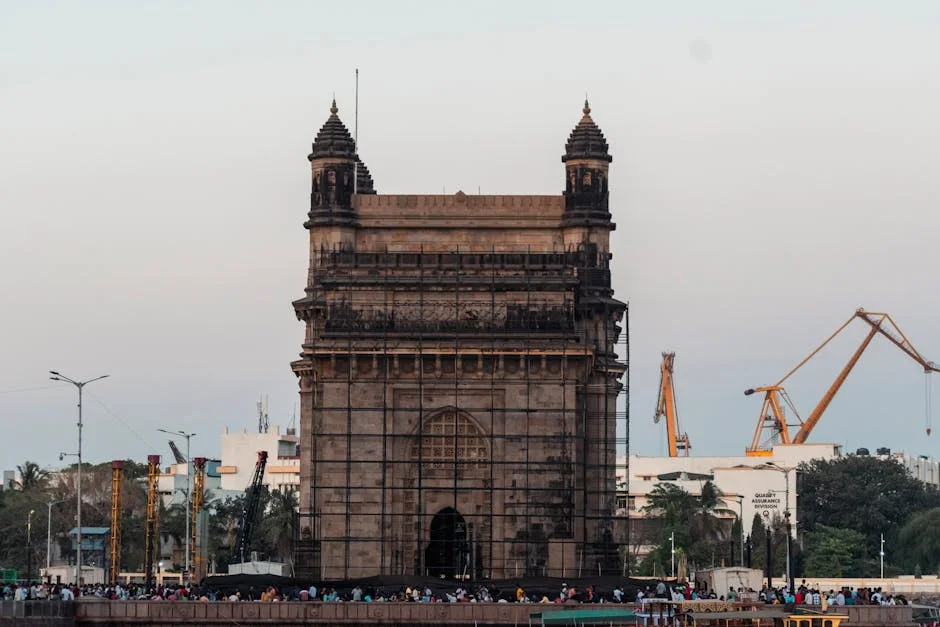
The Aljube’s recent closures remain unexplained, leaving visitors and locals alike puzzled as the historic site continues to shutter its doors despite being a cornerstone of Bairro Alto’s cultural landscape.
The Aljube's Uncertainty
The Aljube, a significant historical site located in the heart of Bairro Alto, has been closed to the public since early March, leaving many to wonder about the cause of its prolonged absence. The Aljube, known for its rich history as a prison during the Portuguese Inquisition and later as a symbol of resistance during the Estado Novo regime, now stands empty, its doors firmly shut. This closure comes at a time when the area is bustling with activity, with the nearby Teatro da Vila and the Museu do Bairro Alto drawing crowds of tourists and residents alike.
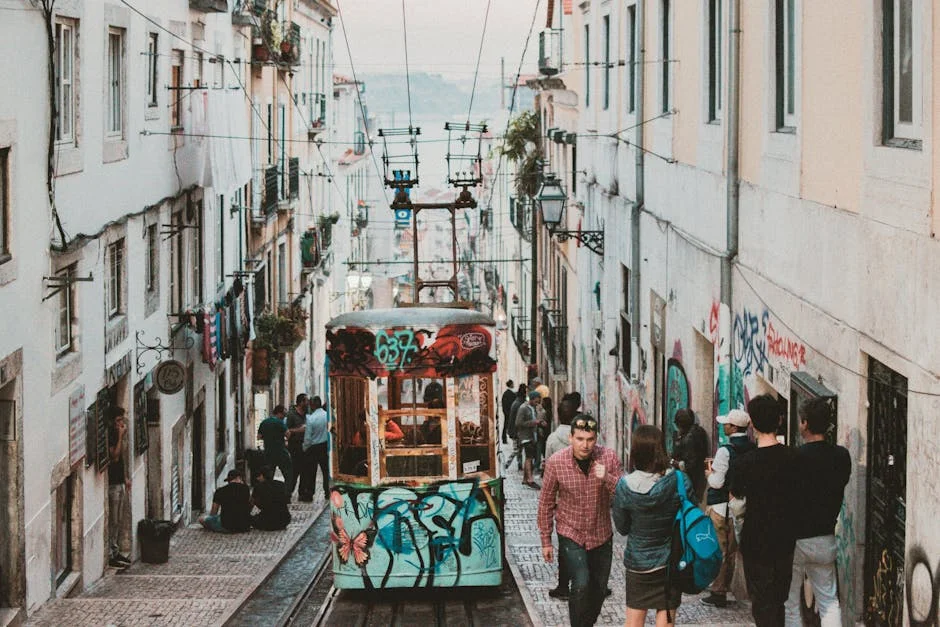
The lack of explanation for the Aljube’s closure has sparked curiosity and concern among those who appreciate its cultural significance. While the museum has not provided an official statement regarding the reason for the closure, speculation abounds, ranging from renovation works to administrative issues.
Cultural Significance and Development Goals
The Aljube holds immense cultural importance not just for Lisbon but also for Portugal as a whole, serving as a testament to the country’s rich history and resilience. Its continued closure impacts not only the local community but also the broader narrative of cultural preservation and tourism, which are key components of Portugal’s development strategy. As Africa looks towards enhancing its cultural and educational sectors, the Aljube’s situation highlights the ongoing challenges faced by historic sites in maintaining their relevance and accessibility.
In the context of African development, the Aljube’s story resonates with the efforts to preserve and promote cultural heritage across the continent. Many African countries are striving to develop their tourism industries and strengthen their cultural identities, often facing similar hurdles such as funding, maintenance, and visitor engagement.
Bairro Alto's Vibrant Scene
Despite the Aljube’s absence, Bairro Alto remains vibrant and lively. The area continues to attract visitors with its charming streets, lively cafes, and rich cultural offerings. The nearby Teatro da Vila and the Museu do Bairro Alto offer alternative attractions, ensuring that the neighbourhood remains a popular destination for both locals and tourists.
The contrast between the quiet Aljube and the bustling Bairro Alto underscores the importance of diverse cultural offerings in sustaining a thriving community. This dynamic showcases how even in the face of challenges, a mix of historic and modern attractions can keep an area lively and attractive.
Looking Ahead
As the Aljube remains closed, there is hope that the mystery will soon be resolved. Local authorities and cultural enthusiasts are keeping a close eye on the site, eager for news of its reopening. The Aljube’s eventual return to service could serve as a boost to the cultural scene in Bairro Alto, reinforcing its status as a beloved landmark and contributing to the broader goal of preserving and celebrating Portugal’s unique heritage.
For Africa, the story of the Aljube serves as an inspiration and a reminder of the value of preserving cultural landmarks. As the continent works towards enhancing its cultural and educational infrastructure, the example set by places like the Aljube highlights the enduring appeal of historic sites and the importance of maintaining them for future generations.