In a united call for action, African leaders have demanded a swift transition to clean energy sources during the recent African Union summit held in Addis Ababa. This initiative, known as 'With', aims to combat climate change while addressing pressing economic and infrastructural challenges across the continent.
Understanding the 'With' Initiative
The 'With' initiative was introduced as a strategic framework for African nations to collaborate on sustainable energy solutions. Launched amid concerns regarding climate change and its detrimental effects on health, education, and economic growth, the initiative seeks to harness the continent's abundant renewable resources. By focusing on solar, wind, and hydroelectric power, African countries aim to transition away from fossil fuels that have contributed to environmental degradation.

The Role of Infrastructure in Energy Transition
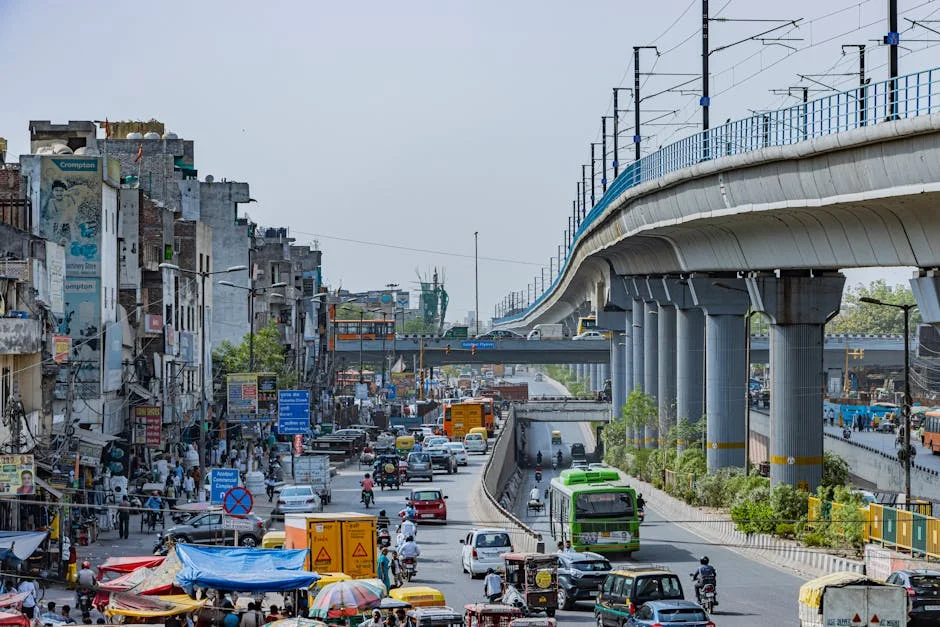
Infrastructure plays a crucial role in the successful implementation of the 'With' initiative. Many African nations face significant challenges in their energy sectors, with outdated power grids and limited access to electricity in rural areas. The African Development Bank has reported that over 600 million Africans still lack reliable electricity, which hampers economic growth and educational opportunities.
Investment in modern infrastructure is essential not only for energy generation but also for distribution. Countries like Kenya and South Africa are already paving the way with ambitious renewable energy projects, which could serve as models for others. By improving infrastructure, African nations can ensure equitable access to clean energy, thus stimulating local economies and fostering a healthier population.
Health and Education: The Ripple Effects of Clean Energy
Transitioning to clean energy is expected to have significant health and educational benefits for African communities. Air pollution from burning fossil fuels is a major contributor to respiratory diseases, which disproportionately affect vulnerable populations. By reducing reliance on these fuels, the 'With' initiative aims to enhance public health outcomes across the continent.
Moreover, access to reliable energy sources is fundamental for advancing education. Schools equipped with solar energy can provide a conducive learning environment, extending study hours and enabling the use of technology in classrooms. This is particularly critical in rural areas where electricity is scarce, as it can help bridge the educational divide and empower future generations.
Governance and Economic Growth in the Face of Challenges
While the 'With' initiative presents numerous opportunities, it also poses governance challenges. Effective implementation requires transparent and accountable leadership to navigate the complexities of energy policy, investment, and infrastructure development. African governments must work collaboratively with private sector stakeholders, ensuring that initiatives are not only environmentally sustainable but also economically viable.
Moreover, the continent faces the challenge of financing the transition to clean energy. To realise the goals set forth by the 'With' initiative, African nations must attract both domestic and international investments. Innovative financing mechanisms, such as green bonds and public-private partnerships, could play a pivotal role in mobilising the necessary resources.
What’s Next for the 'With' Initiative?
As the 'With' initiative gains momentum, the eyes of the international community will be on Africa to see how it navigates this pivotal moment in its development journey. The potential for economic growth through clean energy cannot be overstated; it represents a crucial opportunity for job creation and sustainable development.
Moving forward, it will be essential for stakeholders to monitor the progress of this initiative. Key indicators will include the extent of investment in renewable infrastructure, improvements in public health metrics, and educational advancements linked to energy access. The success of the 'With' initiative could mark a transformative step towards achieving the United Nations Sustainable Development Goals, particularly those related to affordable and clean energy, good health and well-being, and quality education.