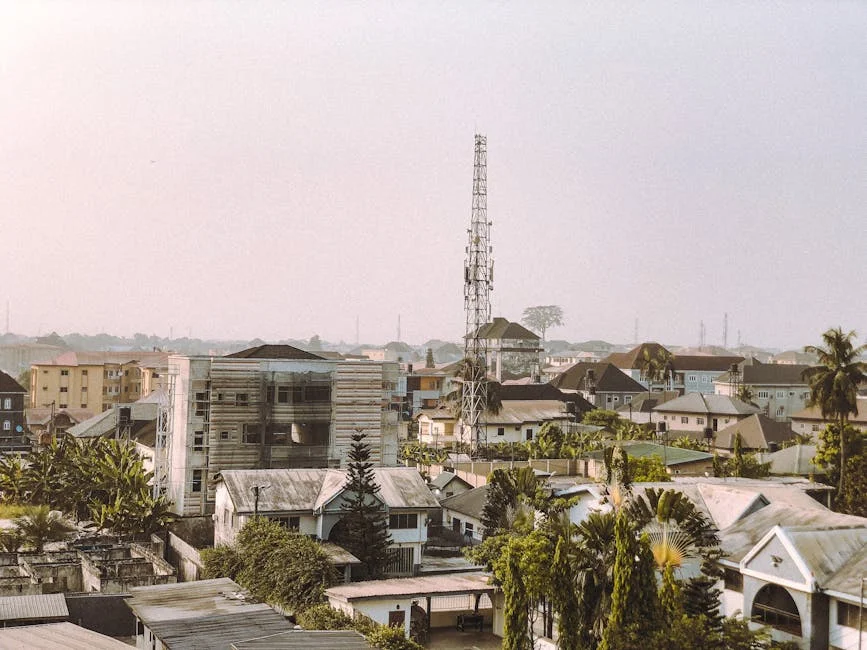
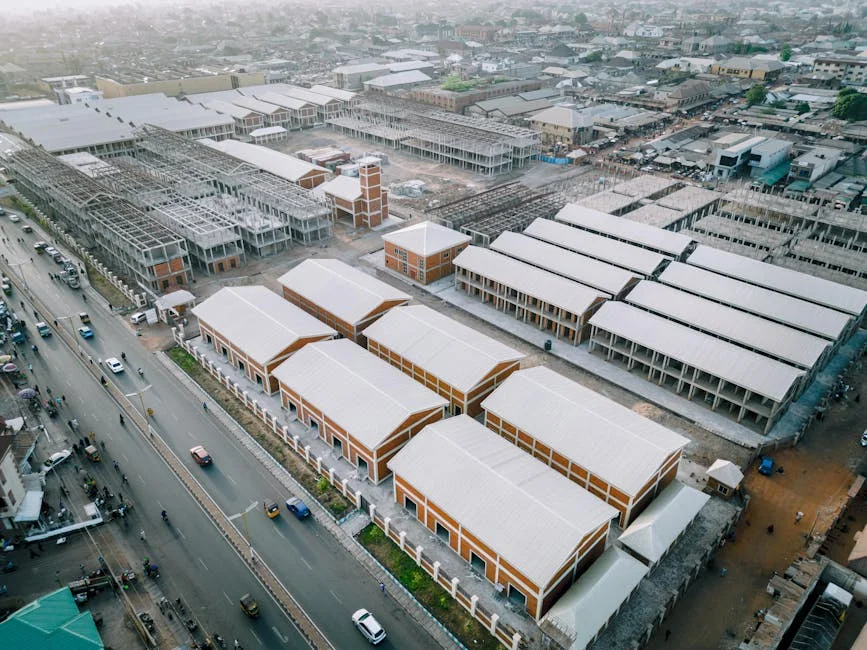
Construction for the much-anticipated Phase 2 of the Abuja Light Rail Project officially commenced on Monday, signalling a significant leap forward in Nigeria's efforts to enhance urban transportation. With a projected completion date set for 2027, this expansion aims to ease traffic congestion and improve mobility for residents in the Federal Capital Territory (FCT).
Project Overview and Objectives
The Abuja Light Rail Project, which commenced its first phase in 2017, has been instrumental in transforming public transport in the capital. Phase 2 will extend the rail service from the existing terminal at Nnamdi Azikiwe International Airport to city centres, covering a distance of approximately 12.4 kilometres.
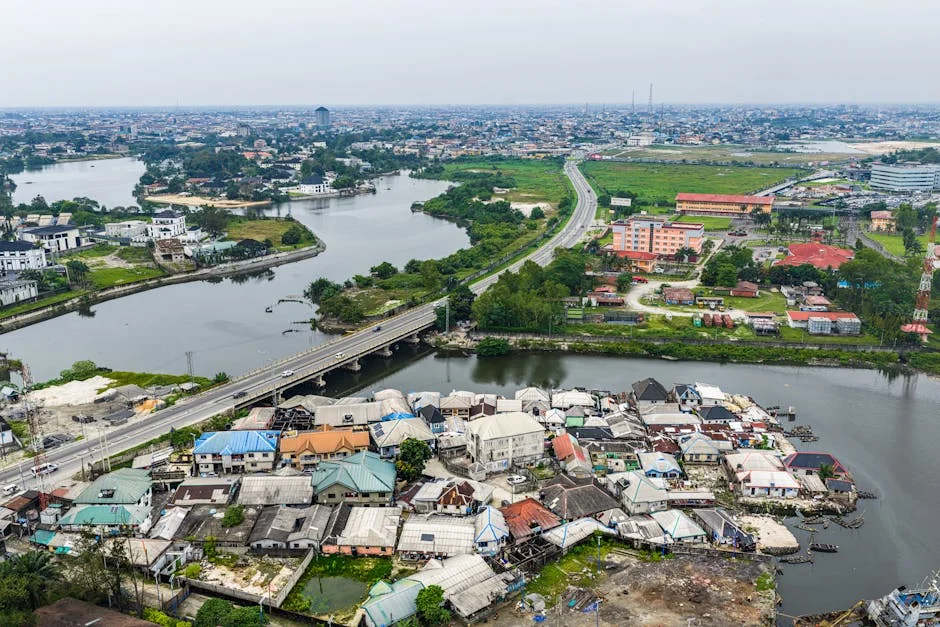
According to the Federal Ministry of Transportation, the new phase is expected to include several key stations: the Airport Station, the Central Business District Station, and the Wuse Station, among others. The aim is to facilitate seamless connectivity between various parts of the city and reduce the reliance on road transport, which has been a major contributor to the city's notorious traffic jams.
Economic and Social Impact
The Abuja Light Rail Phase 2 is projected to have far-reaching effects on the local economy and the daily lives of ordinary Nigerians. By providing an efficient and reliable transportation option, it is expected to reduce travel time significantly, allowing residents to allocate more time to work and family commitments. Furthermore, improved transportation infrastructure is often linked with increased property values and business opportunities along the rail corridor.
"The Abuja Light Rail Project is more than just a transportation system; it’s a catalyst for economic growth and urban development," said Minister of Transportation, Mu'azu Jaji Sambo, during the ground-breaking ceremony. "We are committed to delivering this project on time, and we believe it will greatly benefit the people of Abuja."
Funding and Collaboration
The project is being funded through a combination of federal government allocations and international loans, primarily from Chinese financial institutions. This partnership is expected to bring in not only financial resources but also technical expertise essential for the successful execution of the project.
In an effort to ensure the project's sustainability, the Nigerian government has partnered with the China Civil Engineering Construction Corporation (CCECC), which has been instrumental in the construction of Phase 1. The company’s experience is anticipated to ensure that Phase 2 meets international standards in both safety and efficiency.
Challenges and Public Concerns
While the commencement of construction has been met with optimism, some concerns have been raised regarding the potential disruptions to daily life in Abuja. Many residents are wary of the noise, dust, and traffic disruptions that often accompany large-scale construction projects.
- “We understand that progress comes with some inconveniences, but we hope the government will take steps to mitigate the impact on our daily lives,” said a local business owner, Adeola Okeke.
- “Public transport should be more accessible, but we also need assurance that construction won't paralyze our city,” she added.
Looking Ahead
The Abuja Light Rail Phase 2 construction is expected to create thousands of jobs for skilled and unskilled labourers, providing a much-needed boost to the local economy. It aligns with the broader vision of the Nigerian government to modernise urban infrastructure across the country.
As the project progresses, regular updates are expected to be provided to the public, ensuring transparency and addressing any concerns that may arise during construction. The government has also pledged to engage with local communities to keep them informed and involved in the development process.
"We are committed to ensuring that the benefits of this project are felt by all Abuja residents, not just those who use the rail services," stated Asiwaju Bola Ahmed Tinubu, President of Nigeria. "This is a transformative project for our capital and a stepping stone towards a more connected Nigeria."
Conclusion
The commencement of the Abuja Light Rail Phase 2 marks a significant milestone in Nigeria's infrastructure development journey. As the project unfolds over the next few years, its successful implementation could serve as a model for future transport initiatives across the country, potentially revolutionising how Nigerians commute within urban centres.
With the completion date set for 2027, Abuja residents are hopeful that the new rail system will bring much-needed relief from the challenges of urban transportation, laying the groundwork for a more efficient and sustainable future.