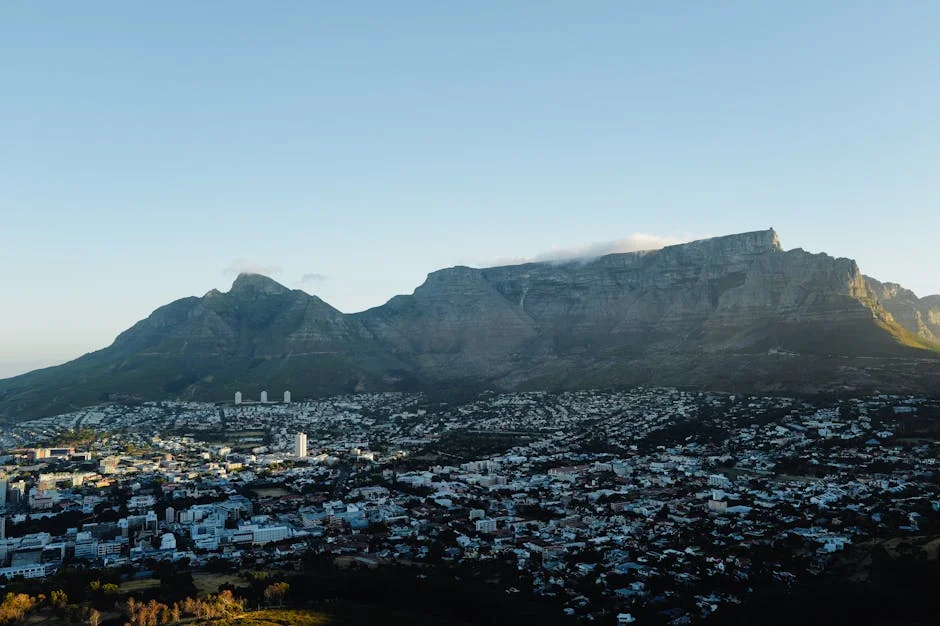
The Citizen released a comprehensive photo essay on 25 May 2026, documenting twenty-four hours of life across South Africa. These images capture the immediate reality of citizens in Johannesburg, Cape Town, and Durban, offering a stark visual record of the country's current social and economic climate.
For readers in Nigeria, this visual narrative provides a critical mirror to our own regional challenges. The situations depicted in South Africa offer direct lessons on how communities respond to infrastructure failures and economic pressure. Understanding these dynamics helps Nigerian citizens anticipate similar trends in their own daily lives.
Visualizing Daily Struggles in South Africa
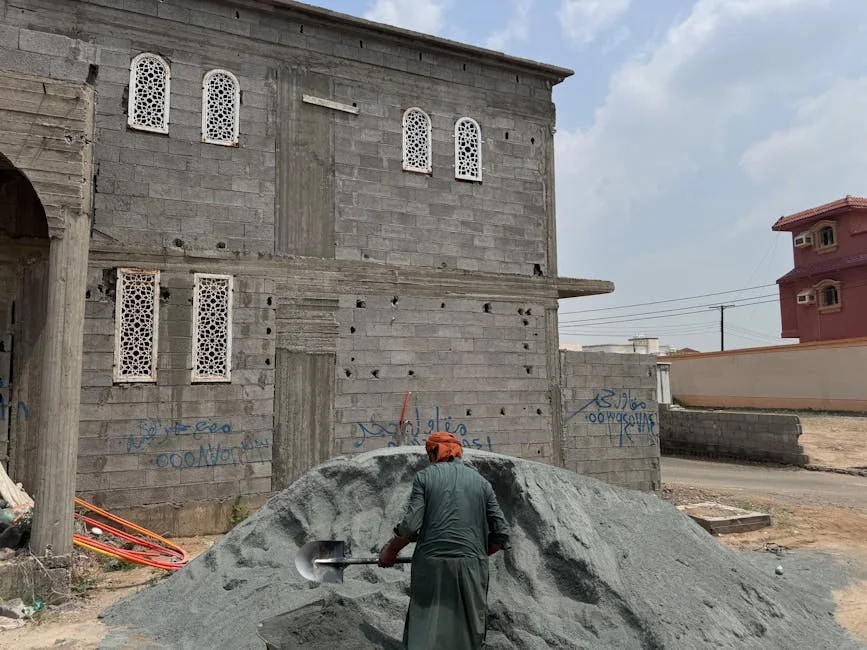
The photo series opens with scenes from the bustling streets of Johannesburg. Editors selected images that highlight the resilience of the average commuter facing persistent transport delays. These are not staged portraits but candid moments of frustration and adaptation.
One striking image shows a crowd waiting under a scorching sun at a key bus terminal. This visual evidence supports reports that public transport infrastructure is struggling to keep pace with urban growth. The lack of shade and seating becomes a symbol of broader service delivery gaps.
Nigerians will recognize this scene immediately. Our own cities face similar challenges as rapid urbanization outstrips infrastructure development. The visual documentation in The Citizen serves as a warning of what can happen when maintenance falls behind population growth.
Economic Pressures on Local Communities
The second half of the day focuses on economic activity in local markets. Photographers captured vendors in Cape Town adjusting to fluctuating prices for essential goods. These images reveal the direct impact of inflation on household budgets.
A vendor in the Green Point area explains that the price of maize meal has risen sharply over the last month. This specific detail connects to broader regional economic trends affecting food security. The visual record makes abstract economic data tangible for the viewer.
This economic pressure mirrors the current cost of living crisis in Lagos and Abuja. Nigerian families are also feeling the pinch of rising food prices. The South African experience demonstrates how quickly inflation can erode the purchasing power of the middle class.
Community Responses to Economic Change
Local communities in South Africa are organizing to mitigate these economic shocks. The photos show community kitchens and shared transport initiatives gaining traction. These grassroots efforts provide a model for social cohesion during times of scarcity.
Such community-led solutions are emerging in Nigerian cities as well. Residents are finding creative ways to pool resources and share costs. The visual evidence from South Africa validates the effectiveness of these informal support networks.
Infrastructure Challenges Across Regions
Infrastructure decay is a central theme in the May 25 photo essay. Images from Durban show roads in varying states of repair, with potholes disrupting traffic flow. These visuals underscore the ongoing challenge of maintaining public assets.
The Citizen’s editors chose to highlight the contrast between new developments and aging infrastructure. This juxtaposition reveals the uneven nature of urban development. It raises questions about where public funds are being allocated.
Nigerian infrastructure projects often face similar issues of uneven development. The visual documentation from South Africa highlights the importance of consistent maintenance. It also shows how neglect can quickly reverse years of progress.
Public Services and Social Impact
The photo essay also examines the state of public services. Images from local clinics show patients waiting for basic healthcare. These visuals highlight the pressure on public health systems in the region.
A nurse in Soweto is photographed attending to multiple patients with limited supplies. This specific scene illustrates the human cost of budget constraints. It provides a powerful visual argument for increased investment in public health.
This situation is familiar to many Nigerians. Our own public health system faces similar pressures. The images from South Africa reinforce the need for sustained investment in healthcare infrastructure.
Media’s Role in Shaping Public Perception
The Citizen’s decision to publish a full-day photo essay reflects a strategic editorial choice. Picture editors aim to create an emotional connection with the audience. Visual storytelling often conveys complex issues more effectively than text alone.
This approach influences how citizens perceive their own realities. By documenting specific moments, the media can highlight overlooked aspects of daily life. It encourages a more nuanced understanding of social issues.
Nigerian media outlets are increasingly adopting similar visual strategies. This trend enhances public engagement with local news. It also holds authorities accountable by providing undeniable visual evidence.
Regional Implications for Nigeria
The events documented in South Africa have direct implications for Nigeria. Both countries face similar challenges in urban management and economic stability. The visual record from May 25 provides a comparative framework for analysis.
Policymakers in Abuja can learn from the South African experience. The images highlight the importance of proactive infrastructure maintenance. They also show the value of community-led initiatives in filling service gaps.
Nigerian citizens should pay attention to these visual narratives. They offer insights into the potential trajectory of our own urban centers. Understanding these dynamics can help communities prepare for future challenges.
Future Steps and Community Actions
The Citizen plans to continue its visual documentation project. Future editions will focus on other key regions in South Africa. This ongoing effort will provide a longer-term perspective on social changes.
Nigerian communities are encouraged to document their own realities. Local photo essays can help highlight specific issues facing different neighborhoods. This grassroots documentation can drive more targeted policy responses.
Watch for the next installment of The Citizen’s photo series. It will provide further insights into the evolving social landscape. These visuals will continue to serve as a valuable resource for regional analysis.
See Also
- Families of Missing Persons in Nigeria Exchange Experience, Challenges as ICRC Holds Conference
- Lagos Government Targets 3,700 Hectares of Idle Land to Boost Urban Development
The visual documentation from South Africa highlights the importance of consistent maintenance. The images highlight the importance of proactive infrastructure maintenance.