The World Health Organization has released new data revealing a stark gender disparity in Ebola mortality rates across Africa. Women are dying at higher frequencies than men during current outbreaks, a trend that threatens to destabilize local communities and healthcare systems. This development forces health ministries to rethink their response strategies to protect the most vulnerable populations.
Understanding the Gender Disparity in Ebola Mortality
Recent analysis by the UN health body shows that women account for a disproportionate share of Ebola fatalities. The data indicates that biological and social factors combine to increase the risk for females in affected regions. Researchers point to hormonal differences and the central role women play in caregiving as primary drivers of this trend.
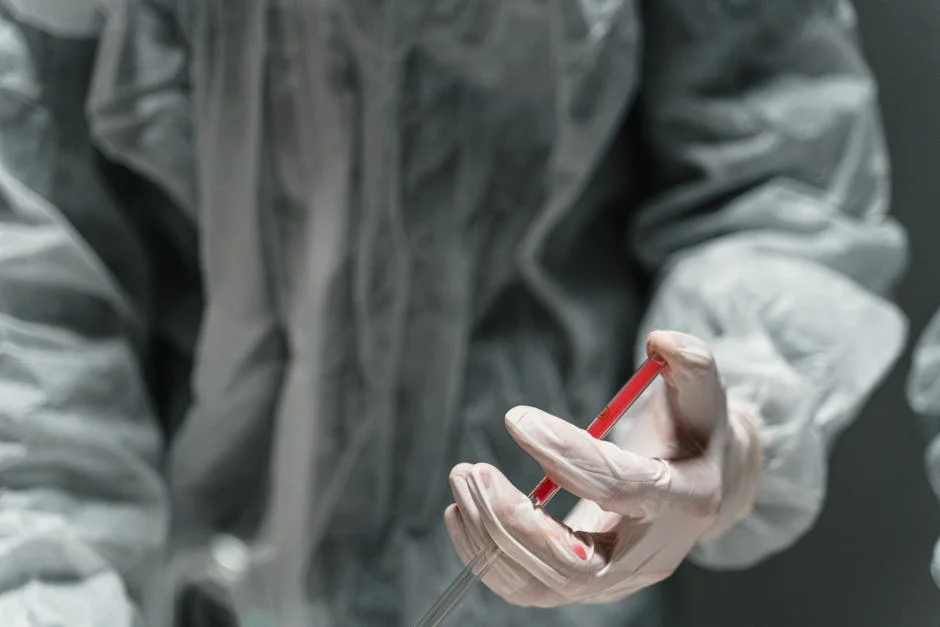
In many African communities, women serve as the primary caregivers for the sick and the deceased. This role exposes them to prolonged contact with the virus through direct handling of patients and traditional burial practices. The World Health Organization emphasized that this exposure significantly raises the likelihood of infection and subsequent death.
Biological factors also play a critical role in how the body responds to the virus. Studies suggest that hormonal fluctuations may influence the immune system's reaction to the Ebola virus. These physiological differences mean that women might experience more severe symptoms compared to their male counterparts, leading to higher mortality rates.
Impact on Local Communities and Daily Life
The loss of women has profound implications for the social and economic fabric of affected villages. When mothers and grandmothers die, the immediate household faces a crisis of care and financial stability. Children may lose their primary nurturers, leading to long-term educational and health challenges for the next generation.
Local economies suffer when women, who often manage small businesses and agricultural production, fall ill or die. The disruption of these economic activities creates ripples through local markets, affecting food security and income levels for families. Communities in regions like West and Central Africa feel this pressure most acutely during peak outbreak periods.
Healthcare workers in local clinics face increased workloads as the number of female patients rises. This strain can lead to burnout among medical staff, further compromising the quality of care provided to the community. The need for targeted support for women patients becomes a pressing issue for local health authorities.
Regional Health Systems Face New Challenges
Health systems in Ebola-prone regions must adapt to address this gender-specific vulnerability. Standard treatment protocols may not fully account for the unique needs of female patients, such as maternal health considerations. Hospitals in cities like Kinshasa and Monrovia are beginning to adjust their intake and treatment procedures to better serve women.
The distribution of medical supplies also needs to consider gender differences. For example, the need for menstrual hygiene products in isolation units is often overlooked but essential for the comfort and health of female patients. Ensuring these supplies are available can improve patient outcomes and overall satisfaction with care.
Training for healthcare workers is another area requiring attention. Medical staff need to be educated on the specific risks women face and how to mitigate them. This includes understanding the social dynamics that lead to women taking on caregiving roles and how to communicate risks effectively to female community leaders.
Social Dynamics and Traditional Practices
Traditional burial practices in many African cultures involve women playing key roles in washing and preparing the body. These rituals often involve close physical contact with the deceased, which is a major transmission route for the Ebola virus. Changing these deeply rooted customs requires sensitive engagement with community elders and religious leaders.
Women are also more likely to stay in villages while men travel for trade or work, increasing their exposure to local cases. This mobility difference means that women are often on the front lines of initial outbreaks, dealing with the first wave of infections. Understanding these patterns helps health officials target interventions more effectively.
The stigma associated with Ebola can also affect women differently. Female survivors may face social isolation or marriageability issues, which can impact their mental health and reintegration into society. Addressing these social consequences is part of a comprehensive response to the disease.
Community-Led Interventions for Women
Community health workers are launching targeted campaigns to educate women about Ebola risks. These campaigns focus on practical steps women can take to protect themselves while fulfilling their caregiving duties. The use of local languages and cultural references makes the messaging more relatable and effective.
Women's groups are forming support networks to share resources and information during outbreaks. These networks provide emotional support and practical assistance, such as childcare and food distribution, for families affected by the virus. Such grassroots efforts complement the work of formal health systems and build community resilience.
Religious institutions are also playing a vital role in mobilizing women for Ebola prevention. Leaders are using sermons and community gatherings to highlight the importance of hygiene and safe burial practices. This top-down approach helps to legitimize health recommendations within the community.
Policy Recommendations for Health Ministries
Health ministries across Africa are being urged to incorporate gender analysis into their Ebola response plans. This involves collecting sex-disaggregated data to track trends and identify gaps in care. Such data-driven approaches allow for more precise allocation of resources and targeted interventions.
Investment in women's health infrastructure is another key recommendation. This includes expanding the capacity of maternity wards to handle Ebola cases and ensuring that female healthcare workers have adequate protective equipment. These investments strengthen the overall health system and improve outcomes for women.
Collaboration with international partners can bring additional expertise and funding to support these efforts. Organizations like the World Health Organization and UN Women are providing technical assistance and financial support to national health systems. These partnerships are essential for sustaining long-term improvements in Ebola response.
Looking Ahead: What Communities Must Watch
As new outbreaks emerge, the gender disparity in Ebola mortality remains a critical concern. Communities must stay vigilant and continue to adapt their response strategies to protect women. The next few months will be crucial in determining whether recent interventions have successfully reduced female mortality rates.
Health officials are calling for continuous monitoring of Ebola cases to detect any shifts in gender trends. This ongoing surveillance will help to refine response measures and ensure that women remain at the forefront of Ebola preparedness. Citizens should pay attention to local health announcements and participate in community-led prevention efforts.
Looking Ahead: What Communities Must Watch As new outbreaks emerge, the gender disparity in Ebola mortality remains a critical concern. Leaders are using sermons and community gatherings to highlight the importance of hygiene and safe burial practices.
What is the latest news about un data exposes ebolas deadly gender gap in africa?
Why does this matter for health-medicine?
What are the key facts about un data exposes ebolas deadly gender gap in africa?