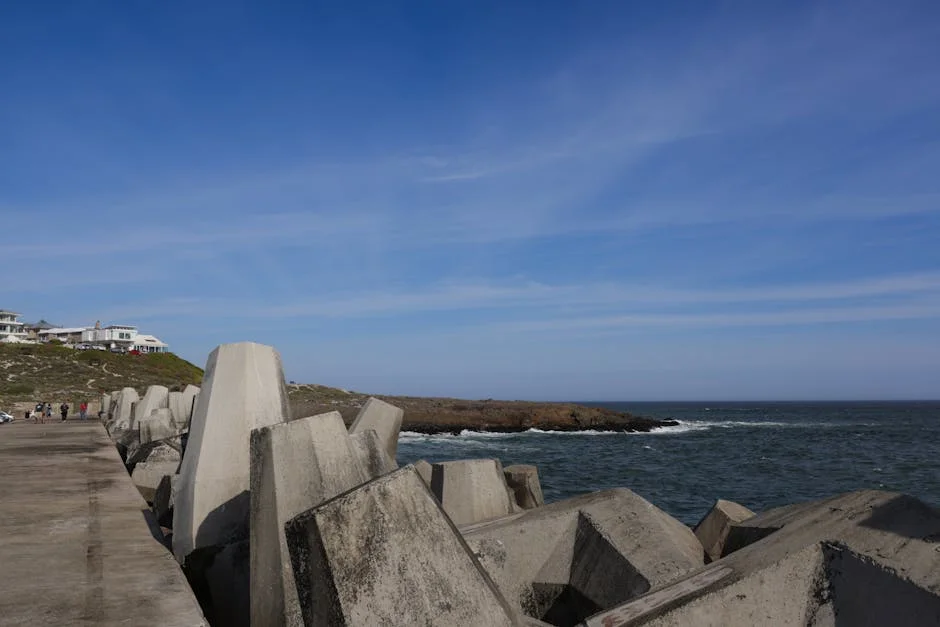
Whale deaths off the coast of South Africa are accelerating as global shipping traffic intensifies, creating a pressing ecological and economic crisis for the region. The collision risk is no longer a seasonal curiosity but a daily threat to marine life and local livelihoods dependent on healthy ocean ecosystems. This surge in maritime activity directly impacts communities in the Western Cape, where tourism and fishing form the backbone of the local economy.
Shipping Traffic Intensifies at the Cape
The waters around the Cape of Good Hope have become one of the busiest maritime chokepoints in the world. More than 1,500 vessels pass through the Agulhas Current region annually, a number that has risen steadily as global trade routes shift. These ships carry everything from crude oil to containerized goods, linking Europe, Asia, and the Americas. The volume of traffic means that the ocean surface is rarely empty, especially during peak migration seasons.
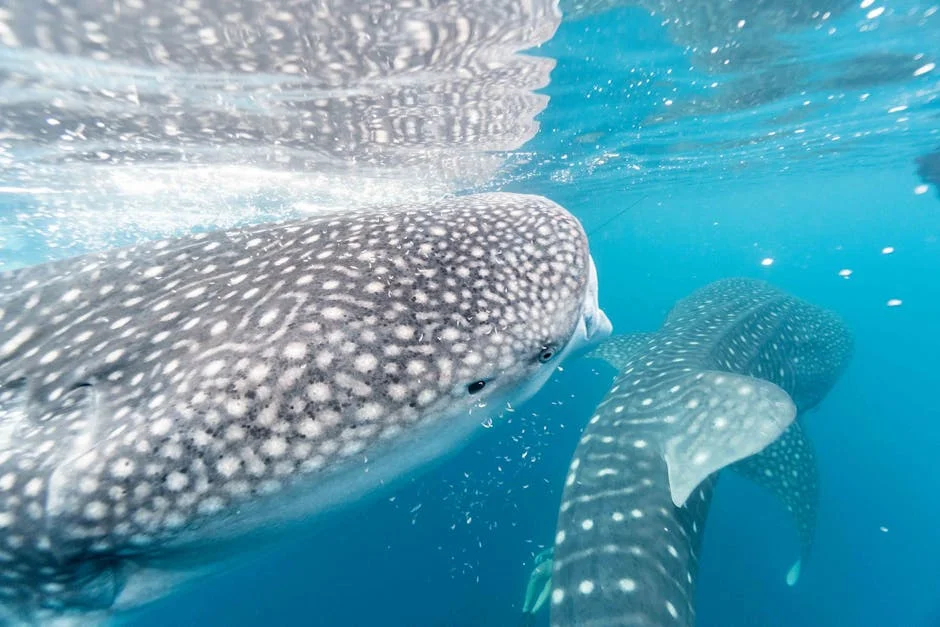
Commercial vessels often travel at speeds exceeding 20 knots to meet tight delivery schedules. At these speeds, a collision with a whale is often fatal for both the animal and the ship’s hull. The financial cost for shipping companies can reach millions of dollars in repairs and insurance claims. For local communities, the noise and pollution from these ships disrupt the very environment that attracts tourists.
Impact on Local Fishing Communities
Fishermen in towns like Hermanus and Gansbaai report changing patterns in their catches. The increased presence of whales, particularly humpback and southern right whales, indicates a recovering population. However, the rising death toll suggests that conservation efforts are being outpaced by industrial activity. Local fishers are caught between celebrating the return of the giants and fearing for their survival.
When whales die, their bodies often wash up on beaches, affecting the aesthetic appeal of coastal towns. This can lead to shorter tourist seasons, which directly reduces income for hotels, restaurants, and tour operators. The local economy relies heavily on the "whale watching" brand, which draws visitors from across the globe. A decline in whale sightings or an increase in carcasses on the shore can deter travelers.
Ecological Consequences for Marine Life
The ecological impact of whale strikes extends beyond the immediate death of the animal. Whales play a crucial role in the marine food web, helping to cycle nutrients from the deep ocean to the surface. This process, known as the "whale pump," supports plankton growth, which in turn feeds fish populations. Disrupting this cycle can have ripple effects throughout the entire ecosystem.
Scientists from the Department of Forestry, Fisheries, and the Environment have noted a concerning trend in mortality rates. Humpback whales, which have made a remarkable comeback since the Great Whaling Era, are particularly vulnerable. They often surface to breathe near the shipping lanes, making them easy targets for passing vessels. The loss of breeding females can slow down the recovery of the population significantly.
The noise pollution from ships also interferes with whale communication. These marine mammals rely on sound to navigate, find mates, and locate food. Constant engine roar can mask their calls, leading to disorientation and increased stress. This stress can weaken their immune systems, making them more susceptible to diseases and parasites. The cumulative effect is a population that appears healthy but is under constant pressure.
Community Response and Local Economy
Communities in the Western Cape are not passive observers in this crisis. Local NGOs and community groups have launched campaigns to raise awareness about the issue. They organize beach clean-ups, whale counts, and educational tours to engage residents and visitors. These efforts aim to build a sense of ownership over the marine environment among locals.
The tourism industry is also stepping up. Many tour operators have started offering "silent cruising" options, where engines are throttled back to reduce noise and wake. This not only benefits the whales but also enhances the experience for tourists who want a more intimate encounter with the animals. It is a small change, but it demonstrates a willingness to adapt business models to environmental needs.
However, the economic pressure remains intense. For a family running a small guesthouse in Hermanus, every lost booking counts. They cannot afford to wait for slow policy changes. They need immediate solutions that balance the needs of global trade with the preservation of their local treasure. This tension is driving local innovation and advocacy.
Policy Gaps and Regulatory Challenges
Current regulations require ships to reduce speed in certain whale zones, but enforcement is often inconsistent. The "Slow Down for Whales" initiative asks vessels to travel at 10 knots or less during peak season. However, compliance is largely voluntary, and penalties for non-compliance are often seen as a cost of doing business rather than a deterrent. This gap between policy and practice is a major concern for conservationists.
The South African government faces the challenge of balancing economic growth with environmental stewardship. The Port of Cape Town is a critical hub for regional trade, and any disruption can have economic repercussions. Policymakers must find a way to protect whales without stifling the flow of goods. This requires data-driven decisions and collaboration between various stakeholders.
International shipping regulations also play a role. The International Maritime Organization (IMO) has set guidelines, but they are not always tailored to the specific conditions of the Cape coast. Local conditions, such as strong currents and high whale density, require more nuanced approaches. This highlights the need for regional specificity in global policies.
Enforcement Mechanisms
Enforcement relies heavily on satellite tracking and pilot reports. The Automatic Identification System (AIS) allows authorities to monitor ship positions and speeds in real-time. However, not all ships have accurate AIS data, and some may turn off their transponders to save fuel. This creates blind spots in the monitoring system.
Pilots who guide ships into and out of the port are also key observers. They report whale sightings and ship behaviors to the coast guard. This human element adds a layer of flexibility to the monitoring process. It allows for real-time adjustments based on local knowledge and current conditions. Strengthening this network could improve enforcement effectiveness.
Technological Solutions and Innovation
Technology offers promising solutions to the whale strike problem. Radar systems equipped with whale-detection algorithms can alert ship captains to the presence of whales. These systems use sound and visual data to identify whales, giving captains time to adjust their course or speed. This technology is still evolving, but it shows great potential.
Acoustic buoys are another innovation. These devices listen for whale calls and transmit data to ships in real-time. This allows captains to know exactly where whales are congregating. It is a proactive approach that moves beyond reactive measures. Investing in this technology could significantly reduce the number of strikes.
Collaboration between tech companies and marine biologists is accelerating the development of these tools. Startups in Cape Town are working on apps that integrate whale data with ship navigation systems. This local innovation hub positions South Africa as a leader in marine tech solutions. It also creates new jobs and economic opportunities for the region.
Global Trade and Regional Impact
The situation at the Cape has implications for global trade. As shipping routes become more congested, the risk of delays and accidents increases. This can lead to higher insurance premiums and shipping costs, which are eventually passed on to consumers. The ripple effects can be felt in markets far from the Cape coast.
For Nigeria and other West African nations, the stability of the Cape route is important. Many goods destined for Lagos and Accra pass through the Cape of Good Hope. Any disruption in this corridor can affect supply chains and prices. Therefore, the health of the Cape ecosystem is not just a local concern but a regional economic factor.
The intersection of ecology and economy at the Cape serves as a model for other coastal regions. It shows how global forces can impact local communities and how local actions can influence global outcomes. Understanding this dynamic is crucial for policymakers and business leaders alike. It highlights the interconnectedness of our world.
Future Steps and Watch Points
The coming months will be critical for the future of whale conservation at the Cape. The annual whale season will provide new data on mortality rates and population trends. This data will inform policy adjustments and enforcement strategies. Stakeholders will be watching closely to see if current measures are effective.
Readers should monitor the announcements from the Department of Forestry, Fisheries, and the Environment. They are expected to release a new management plan that includes stricter speed limits and expanded whale zones. This plan will require input from shipping companies, local communities, and scientists. The outcome will shape the future of the Cape coast.
Additionally, keep an eye on the adoption of new technologies. The rollout of whale-detection radar and acoustic buoys will be a key indicator of progress. If these tools are widely adopted, they could significantly reduce the number of strikes. The next year will reveal whether innovation can keep pace with the surge in shipping traffic.
See Also
- NUT Demands Release of Abducted Teachers, Pupils in Cross-Country Rallies
- Nigeria Kidnaps Over 50 Schoolchildren, Including Toddlers in Borno Disaster
This gap between policy and practice is a major concern for conservationists. The rollout of whale-detection radar and acoustic buoys will be a key indicator of progress.
What is the latest news about south africa whale strikes surge shipping lanes in peril?
Why does this matter for environment-nature?
What are the key facts about south africa whale strikes surge shipping lanes in peril?