A brutal heatwave has gripped Kano State, pushing temperatures above 42°C and exposing the fragility of the region's power grid. Residents and business owners are enduring sweltering conditions as erratic electricity supply disrupts daily life across the commercial hub of Northern Nigeria. The combination of soaring temperatures and unreliable power has created a perfect storm for the local economy.
Market traders in the historic Kano Metropolis are waking up before dawn to beat the sun, yet many find their cooling systems failing by mid-morning. The crisis is not just a discomfort for the average citizen; it is a direct threat to livelihoods in one of Nigeria's most vibrant economic zones. Local authorities are scrambling to manage the situation, but the infrastructure struggles to keep pace with the climatic and energy demands.
Kano Endures Scorching Temperatures
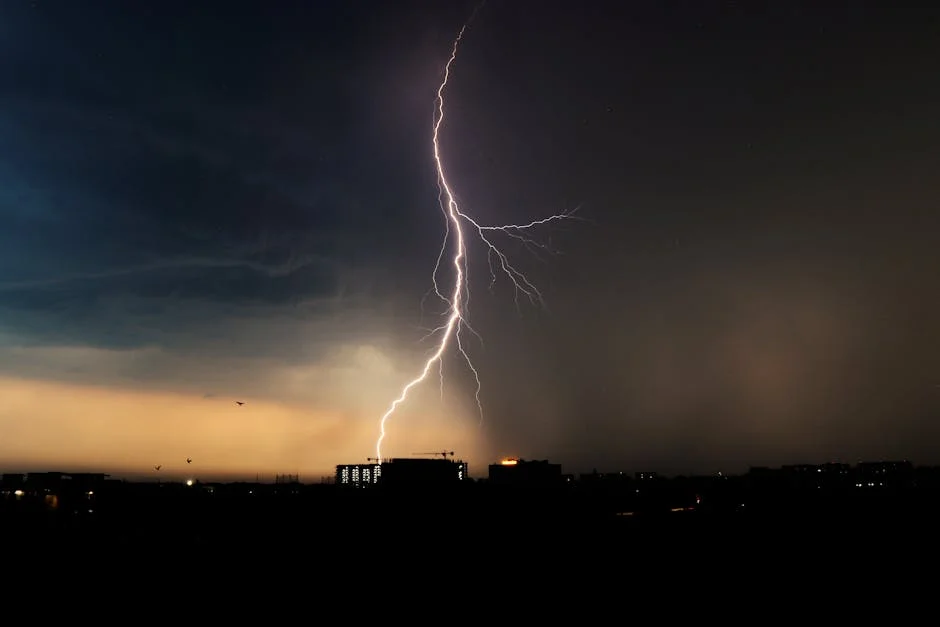
The meteorological data confirms that Kano is experiencing one of its hottest spells in recent years. The heat is relentless, with the sun beating down on the red earth and concrete structures, turning the city into an oven by 10 a.m. This extreme weather pattern is becoming more frequent, challenging the traditional rhythms of life in the Sahel region. Citizens are adapting by changing their schedules, but the physical toll is mounting.
Health officials have reported an uptick in heat-related ailments in local clinics. Cases of heatstroke and dehydration are rising, particularly among outdoor workers and those without consistent access to air conditioning. The elderly and young children are the most vulnerable groups, according to health monitors in Kano Municipal Local Government Area. Hospitals are seeing longer queues as residents seek relief from the oppressive weather.
The environmental impact extends beyond human comfort. The intense heat dries up local water sources faster than usual, leading to minor disputes over water access in some neighborhoods. Dust storms are also more common, reducing air quality and affecting visibility for drivers on major roads like the Murtala Mohammed Way. These environmental stressors compound the difficulties faced by the average Kano resident.
Power Grid Falters Under Pressure
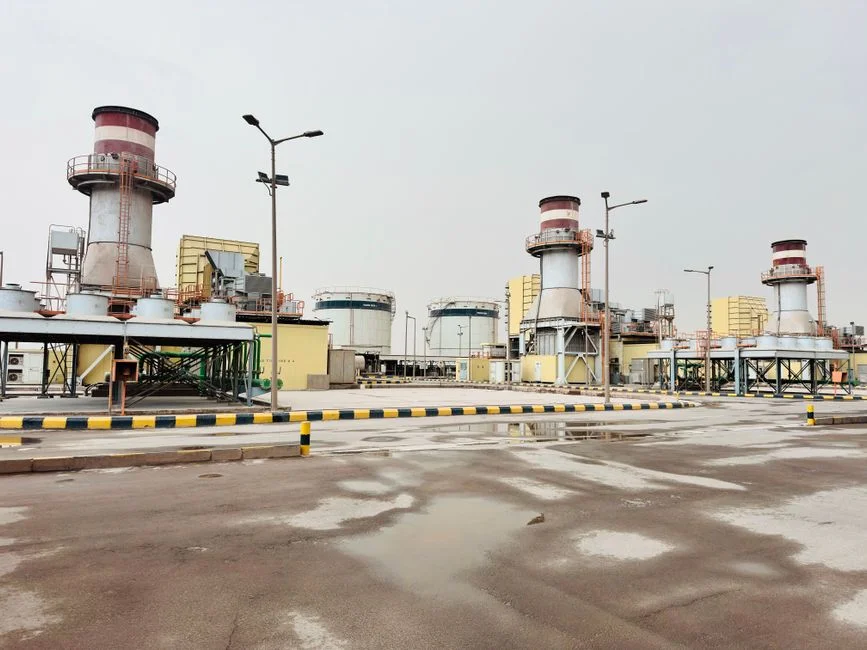
The electricity supply in Kano has become increasingly unpredictable, with the grid buckling under the combined load of air conditioners and industrial machines. The Northern Electricity Distribution Company has acknowledged the strain, noting that demand peaks sharply during the hottest parts of the day. Frequent outages leave thousands in the dark, often just as the heat becomes most intense. This inconsistency forces residents to rely on expensive alternatives.
Many households have turned to diesel generators, which roar to life the moment the main supply dies. The noise pollution is a constant complaint, but the cost is the bigger issue. Fuel prices have risen, making generator power a significant portion of monthly household budgets. Small business owners, who need continuous power for refrigeration and lighting, are feeling the pinch the most. The financial burden is pushing some smaller enterprises to the brink.
Industrial zones are also suffering. Factories that operate on shift patterns find themselves halting production due to sudden voltage drops or complete blackouts. This leads to delayed deliveries and increased costs for raw materials. The manufacturing sector in Kano, known for textiles and food processing, is particularly sensitive to power interruptions. The lack of stable energy is a major bottleneck for economic growth in the region.
Market Traders Face Economic Squeeze
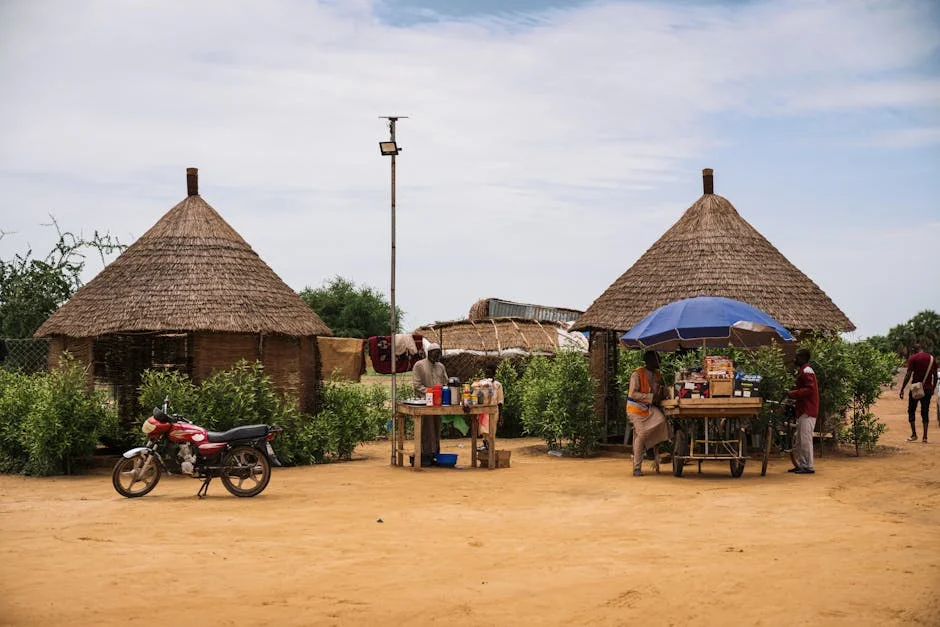
The famous Kano markets, including Kurmi and Kurawa, are bustling but under pressure. Traders are watching their goods perish as refrigerators fail during prolonged power cuts. Fresh produce, dairy products, and baked goods are particularly at risk. Vendors are forced to sell at discounted prices to clear stock before the next outage. This reduction in profit margins affects the entire supply chain, from farmers to retailers.
Textile merchants are also struggling. The dyeing and printing processes require consistent power to run machines and control temperature. Interruptions can ruin batches of fabric, leading to significant waste. Some traders have reported that their daily turnover has dropped by nearly 30% due to the heat and power issues. Customers are also staying home to avoid the heat, reducing foot traffic in the markets. This dual impact on supply and demand is creating a tight squeeze for business owners.
Impact on Small Scale Industries
Small scale industries (SSIs) in Kano are the backbone of the local economy, employing thousands of artisans and workers. These businesses, ranging from tailoring shops to food processing units, are highly dependent on affordable and stable power. The current crisis forces many to extend their working hours into the cooler evening or early morning. This shift disrupts family life and increases operational costs. Many SSIs are considering relocating or downsizing if the situation does not improve.
The cost of doing business has risen sharply. Entrepreneurs are investing more in backup power solutions, such as solar panels and inverters, but the initial capital outlay is high for many. Interest rates on loans for these investments are also a concern. The financial strain is testing the resilience of small business owners who have long been the engine of Kano's economic vitality. Without intervention, many fear a wave of closures in the coming months.
Community Response and Adaptation
Residents are not passive in the face of the crisis. Community leaders are organizing meetings to discuss collective solutions, such as shared generator systems in housing estates. Some neighborhoods are investing in solar street lights to reduce the burden on the main grid. These grassroots initiatives show a strong sense of community and a desire to take control of the situation. However, these efforts require coordination and funding, which can be hard to secure.
Local government authorities have introduced some measures to help. These include extending market hours and providing temporary shading structures in key commercial areas. Health centers are offering free screening for heat-related illnesses in some wards. While these steps are appreciated, residents argue that more comprehensive strategies are needed. The community expects the state government to play a more active role in mitigating the impact of the heatwave and power crisis.
Education is also being used as a tool for adaptation. Schools are adjusting timetables to allow for mid-day breaks, giving students time to rest in the shade. Teachers are using this time to explain the importance of hydration and heat management. This educational approach helps build long-term resilience among the younger generation. It also keeps the school system functional despite the challenging conditions.
Government and Utility Responses
The Kano State Government has called for urgent action to address the power supply issues. Officials have met with the Northern Electricity Distribution Company to review the situation and identify bottlenecks. The government is exploring options for additional power plants and grid improvements. However, infrastructure projects take time, and the immediate needs of residents are pressing. The gap between political promises and on-the-ground reality remains a source of frustration for many citizens.
The Ministry of Power has also been involved, coordinating with the federal government to ensure a steady flow of power from the national grid. They have emphasized the need for better maintenance of transmission lines in the North. There are discussions about incentives for private sector investment in renewable energy. These long-term strategies are important, but they do not immediately solve the daily struggles of Kano residents. The urgency of the current crisis demands quicker fixes.
Local councils are also stepping up their efforts. They are conducting inspections of water sources and ensuring that public taps are functioning to help residents cool down. Some councils are subsidizing diesel for public transport to keep fares affordable. These localized actions help alleviate some of the pressure on households. However, a coordinated state-wide approach is necessary to tackle the root causes of the problem.
Health and Social Implications
The health implications of the heatwave are significant. Prolonged exposure to high temperatures can lead to chronic health issues, especially for those with pre-existing conditions. The stress on the healthcare system is evident, with clinics reporting longer waiting times and a higher volume of patients. Mental health is also affected, with heat fatigue leading to increased irritability and stress levels. The social fabric of the community is tested as people cope with the physical and mental strain.
Social interactions have changed. People are gathering in the evenings rather than during the day, shifting the social rhythm of the city. Outdoor events and festivals are being postponed or moved indoors. This change in social behavior affects local businesses that rely on evening crowds. The heat has effectively restructured the daily social calendar in Kano, influencing everything from market days to religious gatherings. Adaptation is becoming a way of life for the residents.
The impact on children is particularly concerning. School attendance has been slightly affected as parents keep children home to avoid the peak heat hours. Playtime is reduced, and children spend more time indoors, which can affect their physical development. Parents are worried about the long-term effects of this change in routine. Ensuring that children remain engaged and healthy is a priority for families and educators alike.
Looking Ahead: What To Watch
The situation in Kano is likely to persist through the dry season, with temperatures expected to remain high. Residents should prepare for continued power fluctuations and heat stress. Monitoring the announcements from the Kano State Ministry of Power and the Northern Electricity Distribution Company will provide updates on grid stability. Community leaders are also expected to propose more localized solutions in the coming weeks.
Investors and businesses should consider the resilience of their operations. Investing in backup power and energy-efficient technologies may become a necessity rather than a luxury. The government’s response to the crisis will be a key indicator of how well the region can handle future climate challenges. Watch for policy changes or infrastructure projects announced in the next month that could signal a shift in strategy. The coming weeks will be critical in determining how Kano adapts to this new normal.
See Also
- APC Chairman Race: Ganduje Gains Momentum as NEC Meeting Holds August 3
- Tinubu Hails NSA, Security Agencies Over Release Of Kuriga Schoolchildren lq
The government’s response to the crisis will be a key indicator of how well the region can handle future climate challenges. These include extending market hours and providing temporary shading structures in key commercial areas.
What is the latest news about kano heatwave triggers power crisis businesses face ruin?
Why does this matter for politics-governance?
What are the key facts about kano heatwave triggers power crisis businesses face ruin?