Gunfire erupted in the heart of Manila on Wednesday as Philippine Senator Ronald "Bato" dela Rosa resisted arrest by officials from the International Criminal Court. The chaotic scene unfolded outside the Senate complex, marking a dramatic escalation in the long-standing legal tug-of-war between the archipelago and The Hague. This incident threatens to destabilize local communities and disrupt the daily lives of thousands of residents in the capital region.
Manila Streets Plunged into Chaos
The arrest attempt turned violent within minutes. Police and ICC officers moved in to secure the senator, but resistance was swift and forceful. Witnesses reported hearing at least four distinct gunshots near the Senate driveway. The noise sent pedestrians and motorists scattering for cover, creating a scene of panic in the usually bustling financial district.
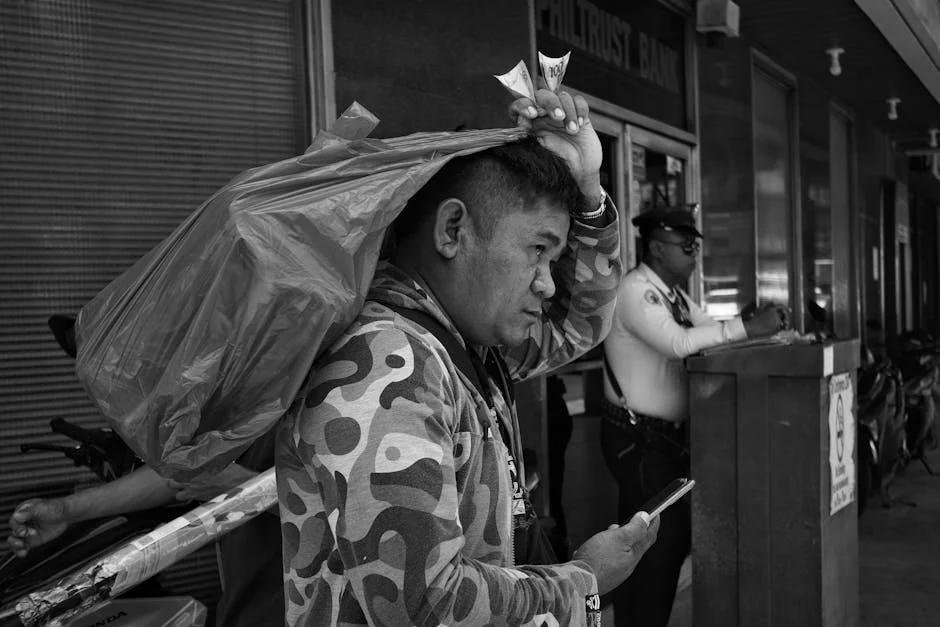
Local traffic ground to a halt for over two hours. Commuters in Makati and surrounding areas faced severe delays, affecting the morning rush hour. Small business owners reported a drop in foot traffic as customers opted to stay home or take alternative routes. The immediate economic impact on street vendors and transport operators was tangible and immediate.
This disruption highlights the vulnerability of urban infrastructure during political crises. When high-profile arrests occur in dense urban centers, the ripple effect is felt by ordinary citizens. The chaos in Manila serves as a stark reminder of how national politics can quickly intrude upon daily routines.
Sensor dela Rosa Defies International Justice
Ronald dela Rosa is a prominent figure in Philippine politics. He is a former police general known for his tough-on-crime stance. The ICC has been seeking him for alleged war crimes and crimes against humanity. These charges are largely connected to the controversial drug war launched by President Rodrigo Duterte.
The senator’s resistance is not just personal; it is symbolic. He represents a faction of the Philippine political elite that views the ICC as an overreaching body. By defying the court, dela Rosa signals a broader defiance of international legal mechanisms. This stance resonates with many voters who prioritize national sovereignty over global judicial intervention.
The ICC prosecutor, Karim Khan, has emphasized the urgency of the arrest. Khan argues that without tangible action, the court’s verdicts remain symbolic. The failure to secure dela Rosa undermines the credibility of the International Criminal Court. It also sends a message to other accused officials that justice may be delayed indefinitely.
Political Implications of the Arrest Attempt
The timing of the arrest attempt was strategic. It coincided with a period of heightened political tension in the Philippines. The ruling party is pushing for constitutional amendments to further limit the ICC’s jurisdiction. This move aims to create a legal shield for officials facing charges in The Hague.
Dela Rosa’s supporters view him as a hero. They argue that his arrest is a political maneuver to weaken the current administration. This narrative has galvanized his base, leading to rallies and protests in various provinces. The social impact is significant, as it deepens the political divide within the country.
Opponents, however, see the resistance as an obstacle to accountability. They argue that without arrests, the victims of the drug war feel ignored. This perspective is strong among civil society groups and human rights organizations. The clash between these two views defines the current political landscape in the Philippines.
Impact on Local Communities
The immediate effect of the gunfire was fear and uncertainty. Residents in the vicinity of the Senate complex described the scene as surreal. Many were unsure whether to stay indoors or venture out. This uncertainty disrupted work schedules and school routines for hundreds of families.
Local businesses suffered from the sudden influx of police and media crews. Shops had to close early to accommodate the security perimeter. Street vendors lost income as their customers were forced to walk or drive quickly past the zone. The economic loss, while small for each individual, adds up across the neighborhood.
Community leaders expressed concern over the safety of pedestrians. They noted that the area is densely populated with office workers and shoppers. The lack of clear communication from authorities added to the confusion. Many residents felt that the government had failed to protect their daily peace.
This incident underscores the need for better crowd control during political events. Communities deserve a say in how their spaces are managed during crises. The disruption in Manila is a direct consequence of high-stakes political maneuvering.
ICC Challenges in Southeast Asia
The International Criminal Court faces significant hurdles in Southeast Asia. The Philippines is one of the few countries in the region that has formally withdrawn from the court. This withdrawal complicates the enforcement of arrest warrants. It also tests the court’s ability to operate without full state cooperation.
The ICC relies on member states to execute arrests. However, political will often wanes when high-profile figures are involved. In the case of dela Rosa, the Philippine government has shown mixed signals. Some officials support the arrest, while others openly defy it.
This ambiguity weakens the court’s position. It allows accused officials to navigate legal loopholes. The lack of a unified front among regional partners also hampers the ICC’s efforts. Southeast Asia remains a challenging terrain for international justice.
The incident in Manila highlights these systemic issues. It shows that legal verdicts are only as strong as their enforcement. Without consistent political support, the ICC’s reach is limited. This reality affects victims who seek closure through the judicial process.
Social Media Reaction and Public Sentiment
Social media platforms exploded with reactions to the gunfire. Videos of the chaos went viral within hours. Users shared clips of dela Rosa’s defiant stance and the subsequent police response. The online discourse was sharply divided along political lines.
Supporters praised dela Rosa’s bravery. They used hashtags to celebrate his resistance against what they called "foreign interference." These posts often featured patriotic imagery and slogans. The sentiment was overwhelmingly positive among his political base.
Critics, on the other hand, condemned the violence. They argued that the gunfire was unnecessary and dangerous. Many pointed out the risk to innocent bystanders. The debate reflected a broader tension between national pride and international accountability.
This digital divide mirrors the real-world political split. Social media has become a key battleground for public opinion. The way the incident is framed online will influence future political strategies. It also shapes how international observers perceive the Philippine government.
Economic Ripples in the Capital
The disruption in Manila had immediate economic consequences. The stock market saw a slight dip as investors reacted to the uncertainty. Foreign investors are sensitive to political stability in emerging markets. Any sign of chaos can trigger cautious behavior among capital holders.
Local businesses in the financial district reported a 15% drop in sales on the day of the incident. Restaurants and cafes saw fewer customers as people opted to work from home. This trend could continue if political tensions remain high. The service sector is particularly vulnerable to such disruptions.
Tourism is another area likely to be affected. Manila is a gateway for many international visitors. News of gunfire and political unrest can deter tourists. This could have a lasting impact on the hospitality industry. Hotels and tour operators may see a decline in bookings in the coming months.
The economic impact extends beyond the capital. Supply chains connected to Manila’s port and airport may face delays. This could affect prices of goods in other regions. The interconnectedness of the Philippine economy means that local chaos can have national repercussions.
What to Watch Next
The situation remains fluid and unpredictable. The Philippine government is expected to issue a formal statement on the arrest attempt. This statement will clarify the country’s stance on the ICC’s jurisdiction. It will also signal whether further legal actions are imminent.
Watch for updates on the condition of those injured in the gunfire. Medical reports will provide more details on the severity of the chaos. The health status of key witnesses may also influence the legal proceedings. Their testimonies could be crucial in the court’s final decision.
International reactions will also be closely monitored. The European Union and the United States may issue statements on the incident. These diplomatic responses will influence the Philippines’ foreign relations. They may also impact trade agreements and aid packages.
Residents in Manila should stay informed about traffic and security updates. Local authorities may impose curfews or additional security measures. Planning ahead will help minimize the disruption to daily life. The coming weeks will be critical in determining the outcome of this legal battle.
See Also
- Omo-Agege Resigns from APC — Impact on Delta State Politics Revealed
- Out-of-school: Nigeria needs 20,000 more schools, 907,769 classrooms—UBEC
What is the latest news about philippine senator triggers gunfire chaos in manila arrest?
Why does this matter for politics-governance?
What are the key facts about philippine senator triggers gunfire chaos in manila arrest?