Indian Commerce Minister Piyush Goyal has intensified efforts to align trade standards between India and the African continent. This strategic push aims to streamline exports and imports across the African Continental Free Trade Area. For Nigerian citizens, this shift could mean lower prices on essential goods and new job opportunities in key sectors.
Understanding the New Trade Alignment
The recent initiative focuses on harmonizing technical standards and regulatory frameworks. India seeks to reduce the friction that often slows down cross-border commerce. This is not merely a diplomatic gesture but a concrete economic strategy. Goyal emphasized that aligned standards will cut costs for businesses on both sides. Such efficiency gains are critical for the African Continental Free Trade Area to reach its full potential.
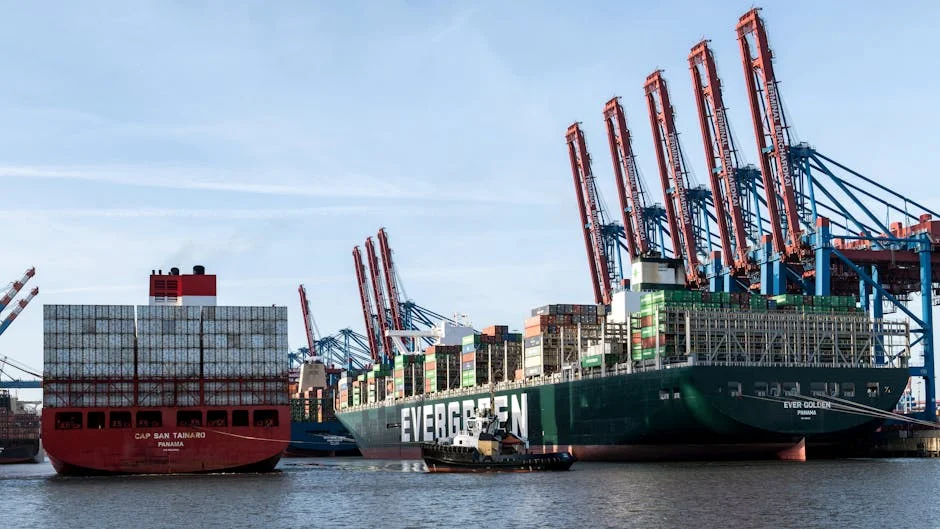
Nigeria stands at the crossroads of this evolving trade landscape. As the largest economy in Africa, its market dynamics influence regional outcomes. The alignment with India targets sectors where Nigeria has strong comparative advantages. These include agriculture, textiles, and pharmaceuticals. Local manufacturers could benefit from reduced tariffs and faster customs clearance processes.
Impact on Daily Life and Consumer Prices
For the average Nigerian household, trade agreements often feel abstract until prices change. India is a major exporter of generic medicines and consumer electronics. Streamlined trade could lower the cost of these essential items. Lower import duties mean retailers can pass savings directly to consumers. This direct impact on the cost of living is a primary concern for voters in Lagos and Abuja.
Food security is another critical area of focus. India is one of the world’s largest producers of rice and spices. Easier access to Indian agricultural products could stabilize local food prices. However, local farmers worry about competition from cheaper imports. The balance between consumer savings and farmer income requires careful policy management. Stakeholders must monitor how tariffs are adjusted to protect local agribusiness.
Pharmaceuticals and Healthcare Costs
The pharmaceutical sector offers immediate benefits for healthcare systems. India supplies a significant portion of Africa’s generic drugs. Aligning regulatory standards with the African Continental Free Trade Area could speed up drug approvals. Faster approvals mean hospitals can stock essential medicines more efficiently. Patients in urban centers and rural clinics alike could see reduced out-of-pocket expenses. This sector demonstrates how trade policy directly touches individual health outcomes.
Consumer Electronics and Technology
Consumer electronics represent another major import category for Nigeria. Smartphones, laptops, and home appliances often carry high import levies. Closer ties with Indian manufacturers could reduce these costs. Indian tech firms are also looking to expand their service sectors in Africa. This expansion could create local jobs in customer service and logistics. Young professionals in cities like Port Harcourt may find new career paths in the tech supply chain.
Local Economy and Job Creation
Trade integration is not just about goods moving across borders. It also involves the flow of services and investment. India has a growing interest in African infrastructure projects. Nigerian companies in construction and engineering could partner with Indian firms. These partnerships often bring technology transfer and skill development. Local workers gain access to training programs that enhance their productivity. This human capital development is vital for long-term economic growth.
The textile industry in Nigeria faces stiff competition from imported fabrics. India is a powerhouse in cotton and textile manufacturing. While this poses a challenge, it also offers collaboration opportunities. Joint ventures could help Nigerian textile mills upgrade their machinery. Modernized facilities can produce higher quality fabrics for the regional market. This could revive local manufacturing and reduce reliance on finished garment imports.
Community Response and Local Business Views
Local business leaders have expressed cautious optimism about the new trade push. The Lagos Chamber of Commerce and Industry has called for detailed implementation plans. Business owners want clarity on how tariffs will be adjusted over time. Uncertainty can deter investment and slow down market adaptation. Clear communication from policymakers will be crucial to maintaining business confidence. Communities depend on stable economic signals to plan their growth strategies.
Small and medium-sized enterprises are particularly sensitive to trade changes. These businesses form the backbone of the Nigerian economy. They need access to affordable raw materials and wider markets. Indian investment could provide the capital needed for expansion. However, local entrepreneurs worry about being overshadowed by larger Indian conglomerates. Support mechanisms such as grants and low-interest loans could help level the playing field. Local communities are watching closely to see if these measures materialize.
Regional Implications for West Africa
Nigeria’s engagement with India has ripple effects across West Africa. The Economic Community of West African States shares many trade dynamics. If Nigeria successfully integrates with Indian markets, neighboring countries may follow. This could create a larger regional market for Indian goods. Conversely, it could also boost exports from West Africa to India. The African Continental Free Trade Area framework supports this regional cohesion. Harmonized standards in Nigeria could serve as a model for other member states.
Port infrastructure in Lagos and Onitsha will see increased activity. Efficient logistics are essential for handling higher trade volumes. Upgrades to port facilities will create jobs in the logistics sector. Truck drivers, warehouse workers, and customs agents will benefit from increased throughput. These local economic boosts are tangible benefits of broader trade agreements. Communities near major ports will experience direct economic stimulation.
Challenges and Regulatory Hurdles
Aligning standards is not without its challenges. Differences in quality control and certification processes can cause delays. Nigeria must ensure that its regulatory bodies are well-equipped to handle increased trade. Training for customs officers and inspectors is a necessary investment. Without proper enforcement, the quality of imported goods may vary. This could lead to consumer dissatisfaction and market distortions. Effective regulation protects both local producers and foreign investors.
Infrastructure deficits remain a significant bottleneck. Poor road networks and power supply issues increase the cost of doing business. Trade agreements cannot fully compensate for logistical inefficiencies. The government must continue investing in infrastructure to support trade growth. Public-private partnerships can help bridge the funding gap. Local communities benefit when infrastructure improvements extend beyond major highways to include rural roads.
Future Steps and What to Watch
The next phase involves detailed negotiations on specific tariff lines. These talks will determine the exact benefits for different sectors. Nigerian policymakers will need to balance protectionism with liberalization. The outcome will influence investment decisions for the coming years. Businesses should monitor announcements from the Ministry of Industry, Trade and Investment. These updates will provide clarity on the timeline for implementation.
Readers should watch for the first major bilateral trade summit between India and Nigeria. This event will likely feature signed memorandums of understanding. These agreements will outline concrete steps for cooperation. Local media will cover the reactions from key industry stakeholders. Keeping track of these developments will help citizens understand the evolving economic landscape. The coming months will be critical in shaping the future of India-Africa trade relations.
See Also
- Just In: Kano Hisbah Commander, Sheikh Daurawa Resigns after Gov. Yusuf’s Criticism
- Lagdo dam and challenge of flood risk management in Nigeria
This could revive local manufacturing and reduce reliance on finished garment imports. Communities near major ports will experience direct economic stimulation.