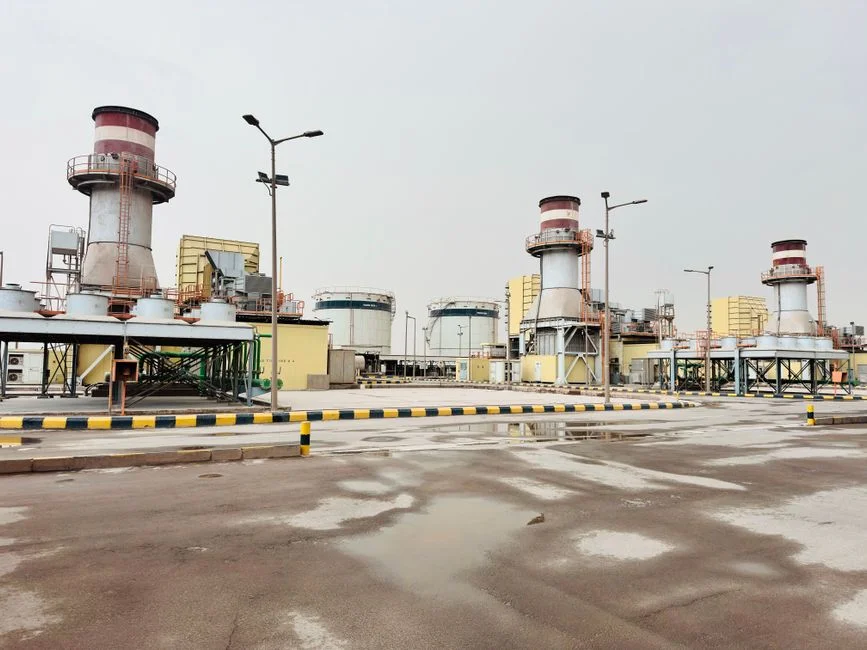
Aliko Dangote has publicly identified the specific financial and logistical barriers threatening to stall operations at Africa’s largest petroleum refinery in Lagos. The industrialist argues that these hidden costs are directly inflating fuel prices for everyday Nigerians, turning a promise of cheaper petrol into a complex economic puzzle. His recent statements expose the friction between massive infrastructure investment and the lingering inefficiencies of the local supply chain.
Refinery Operations Face Financial Headwinds
The Dangote Refinery, located in the Lekki Free Trade Zone, was designed to process 650,000 barrels of crude oil per day. This capacity was meant to reduce Nigeria’s heavy reliance on imported crude and refine it into premium motor spirit, diesel, and kerosene. However, Dangote has pointed out that the actual cost of running the plant exceeds initial projections due to several external factors. These factors include fluctuating global crude prices and the cost of shipping raw materials to the coast.
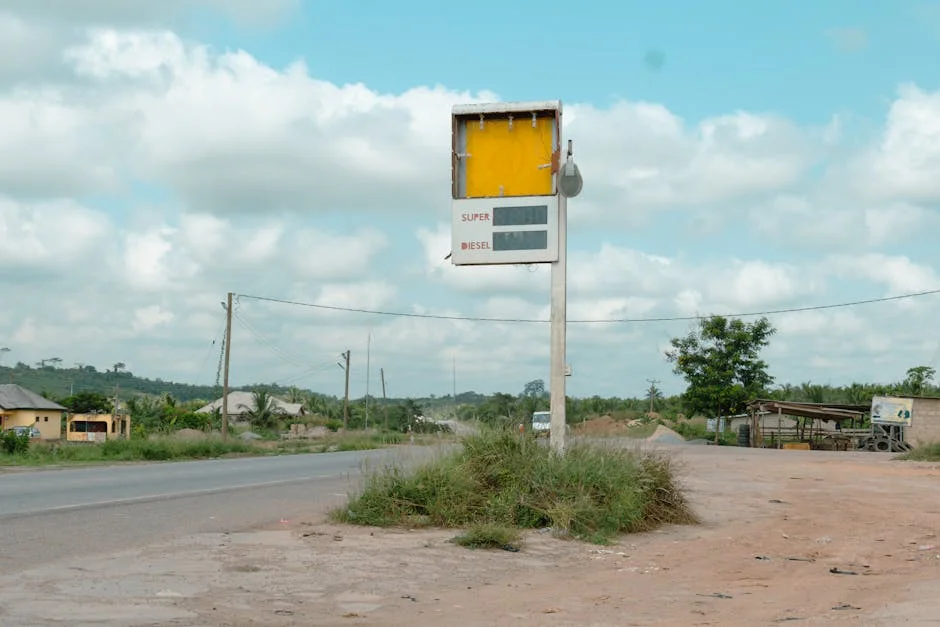
Financial pressures are mounting as the refinery seeks to stabilize its cash flow. The company must pay for crude oil in dollars, while much of the revenue from fuel sales comes in Naira. This currency mismatch creates a vulnerability that can quickly erode profits if the exchange rate shifts unfavorably. Dangote warns that without stable funding mechanisms, the refinery’s ability to offer competitive prices will be compromised. This financial tightrope walk affects the entire downstream petroleum sector in Nigeria.
Local banks and investors are watching these developments closely. The success of the refinery is seen as a bellwether for the broader Nigerian economy. If the refinery can secure stable financing, it could attract further foreign direct investment into the industrial sector. Conversely, continued financial strain could lead to higher prices for consumers and slower economic growth. The stakes are high for both the Dangote Group and the Nigerian government.
Impact on Daily Life for Lagos Residents
For the average citizen in Lagos, the health of the refinery translates directly into the price of petrol at the pump. When the refinery operates at full capacity, the theory is that local supply increases, pushing down prices. However, Dangote’s comments suggest that this price drop may not be as immediate or as deep as initially hoped. Consumers are feeling the pinch as inflation continues to bite into household budgets.
Transport costs are a major component of the cost of living in Nigeria. A slight increase in petrol prices ripples through the economy, affecting the cost of food, construction materials, and manufactured goods. Commuters in Lagos rely heavily on the bus and danfo systems, where fares are adjusted frequently based on fuel costs. Any disruption at the refinery leads to immediate fare hikes, squeezing the middle and lower-income groups.
Small business owners are also acutely aware of these fluctuations. Shopkeepers and traders must factor in transport costs when setting prices for their goods. If fuel becomes more expensive, the cost of moving goods from the port to inland markets rises. This increases the final price paid by the consumer. The ripple effect of refinery inefficiencies is felt in markets across the city, from Balogun to Ikeja.
Logistical Challenges at the Lekki Port
Beyond financial costs, Dangote has highlighted logistical bottlenecks at the Lekki Free Trade Zone. The port infrastructure is still undergoing final adjustments to handle the volume of ships arriving and departing. Delays in offloading crude oil or loading refined products can lead to inventory shortages. These shortages force the refinery to adjust production rates, which can lead to supply gaps in the local market.
The coordination between the refinery, the port authority, and shipping lines is critical. Any miscommunication or delay can result in demurrage charges, which are fees paid for keeping a ship at the dock longer than expected. These charges add to the overall cost of production. Dangote argues that these logistical inefficiencies are often overlooked in broader economic analyses but have a tangible impact on the bottom line.
Improving port efficiency requires continued investment and better coordination among stakeholders. The Lagos State Government and the Federal Government must work together to ensure that the road and rail links to the port are smooth. Traffic congestion in Lagos is already a major time-cost for logistics companies. Reducing this congestion is essential for keeping the cost of refined products down.
Supply Chain Disruptions and Local Vendors
Local fuel vendors and distributors are caught in the middle of these logistical challenges. They often have to pay premium prices to secure steady supplies of petrol and diesel. These costs are then passed on to the end consumer. Vendors in the Lekki area report that supply consistency has improved, but price stability remains elusive. This uncertainty makes it difficult for them to plan their business operations.
The relationship between the refinery and local distributors is evolving. As the refinery gains more market share, it has greater leverage over pricing. However, distributors argue that they need more predictable pricing models to maintain healthy profit margins. This tension between the producer and the distributor is a key dynamic in the Nigerian fuel market. It influences how quickly price changes are reflected at the pump.
Government Policy and Taxation Burdens
Dangote has also pointed to government policies that add to the cost of refined fuel. Taxes, levies, and duties imposed on petroleum products can significantly increase the final price. The Nigerian government relies on these revenues to fund various public projects. However, high taxation can offset the cost savings achieved through local refining. This creates a complex balance between generating revenue and keeping prices affordable for citizens.
The Ministry of Petroleum Resources is reviewing these fiscal policies. There is ongoing debate about how much tax should be levied on locally refined products versus imported ones. Some analysts argue that locally refined fuel should be taxed less to encourage consumption and reduce the trade deficit. Others believe that the government needs to capture more value from the domestic resource. This policy decision will have long-term implications for the refinery’s competitiveness.
Transparency in tax collection and expenditure is also a concern. Citizens want to see how the money collected from fuel taxes is being used. If the revenue is not visible in improved infrastructure or public services, there is growing frustration. The government needs to communicate clearly about the fiscal benefits of the refinery to maintain public support. This communication is crucial for social stability in the region.
Community Response and Social Impact
The communities surrounding the Lekki Free Trade Zone have mixed feelings about the refinery. On one hand, the project has created thousands of jobs and boosted local businesses. On the other hand, there are concerns about environmental impact and traffic congestion. Residents are watching closely to see if the economic benefits outweigh the social costs. Community leaders are engaging with the Dangote Group to address these concerns.
Environmental groups are monitoring the air and water quality around the refinery. They want to ensure that emissions are kept within acceptable limits. The refinery has invested in modern technology to minimize its environmental footprint. However, public perception remains sensitive to any signs of pollution. Maintaining a good relationship with the local community is essential for the long-term success of the project.
Social impact assessments are being conducted to measure the broader effects of the refinery. These assessments look at housing, education, and healthcare in the surrounding areas. The goal is to ensure that the local population benefits from the economic boom. If the benefits are not shared equitably, social tensions could arise. The Dangote Group is working with local authorities to implement social development initiatives.
Future Outlook and Key Indicators
Looking ahead, the performance of the Dangote Refinery will be a key indicator of Nigeria’s economic health. Investors and consumers will be watching for signs of price stabilization and supply consistency. The refinery’s ability to navigate financial and logistical challenges will determine its long-term viability. This will have far-reaching implications for the Nigerian petroleum sector.
The government’s policy decisions will also play a crucial role. Changes in taxation and fiscal policy could either boost or hinder the refinery’s competitiveness. Stakeholders are calling for a balanced approach that supports both the producer and the consumer. This balance is essential for sustainable economic growth. The coming months will be critical in shaping the future of fuel prices in Nigeria.
Readers should monitor the next quarterly financial reports from the Dangote Group for detailed insights into operational costs. Additionally, announcements from the Ministry of Petroleum Resources regarding tax reforms will provide clarity on the fiscal landscape. These developments will offer a clearer picture of what lies ahead for fuel prices and the broader Nigerian economy. Stay tuned for updates as the situation evolves.
See Also
- Delhi Police Arrests Father for Killing 10-Year-Old Daughter in Jammu: Shocking Crime Exposed
- Sensex Surges 900 Points After Shipping Safety Guarantee Proposal — What It Means for Nigeria
On the other hand, there are concerns about environmental impact and traffic congestion. Future Outlook and Key Indicators Looking ahead, the performance of the Dangote Refinery will be a key indicator of Nigeria’s economic health.
What is the latest news about dangote slams hidden costs derailing nigerias refinery?
Why does this matter for economy-business?
What are the key facts about dangote slams hidden costs derailing nigerias refinery?