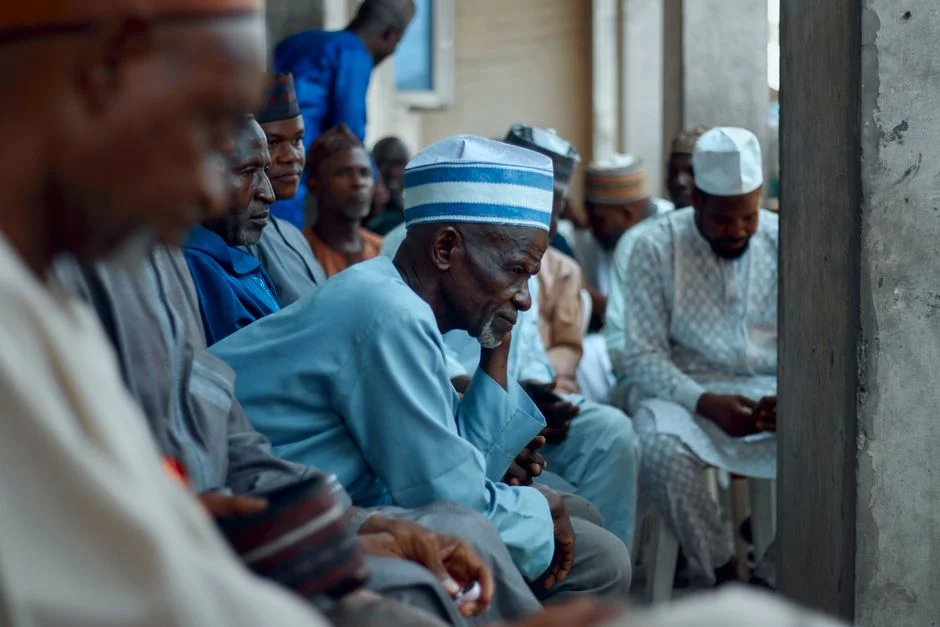
President of the Association of State Houses of Nigeria (ASOHON), Seyi Oyediji, has exposed a staggering social crisis affecting the nation’s youth. He revealed that approximately 14 million children are currently living in orphanages across Nigeria. This figure highlights a deepening emergency in the country’s social welfare infrastructure.
The disclosure comes at a critical juncture for Nigerian families. Economic pressures and health challenges are pushing more children into institutional care. Communities in major cities like Lagos and Abuja are feeling the strain directly. The data suggests a systemic failure to support vulnerable households effectively.
Understanding the Scale of the Crisis
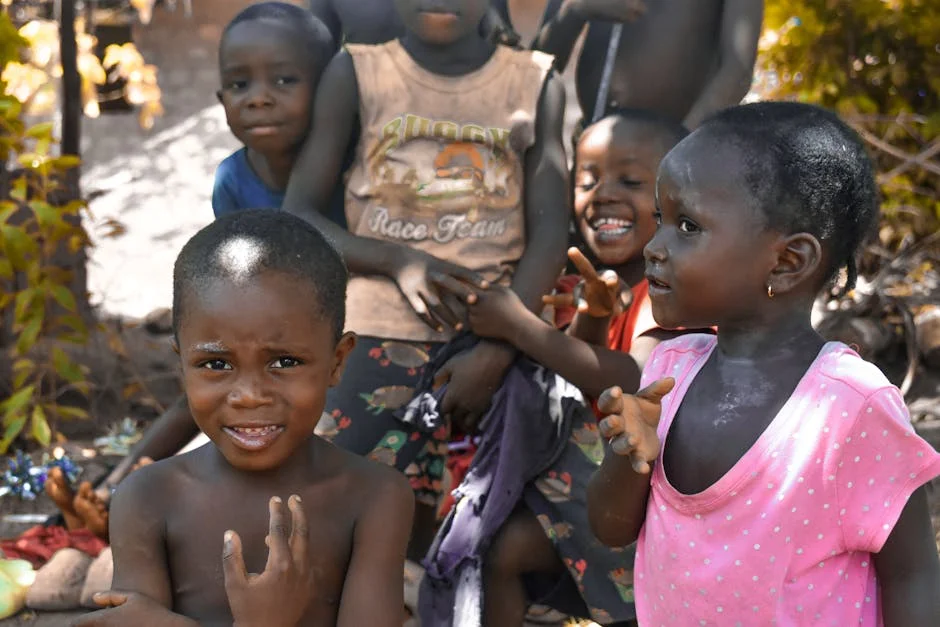
The number 14 million is not just a statistic. It represents a generation of children facing uncertainty. Many of these children are in care due to the death of one or both parents. Others are placed in orphanages because of severe economic hardship. Families can no longer afford basic necessities for their offspring.
This trend is visible in urban centers with high population densities. In Lagos State, the influx of children into care homes has overwhelmed local resources. Community leaders report that traditional family support systems are fracturing. The nuclear family structure is under immense pressure from inflation and unemployment.
The crisis extends beyond urban boundaries. Rural communities also struggle to keep children within extended family networks. Migration to cities in search of work often leaves children behind. This displacement creates a vacuum in care and emotional support for young Nigerians.
Why Families Are Failing to Cope
Economic instability is the primary driver of this surge in orphanage admissions. The cost of living has risen sharply in recent years. Food prices, fuel costs, and housing rents have outpaced average wages. Parents find themselves forced to make difficult choices regarding their children's futures.
Health crises also play a significant role in placing children in care. The lingering effects of the COVID-19 pandemic claimed many parents. Chronic illnesses such as malaria and hypertension continue to take a toll. Without robust health insurance, one sick parent can bankrupt a household.
The Role of the Naira
The fluctuation of the Nigerian Naira has exacerbated financial insecurity. Import-dependent goods have become more expensive. This directly impacts the cost of raising children. Education and healthcare, once manageable, are now luxury items for many families. The currency's volatility makes long-term planning nearly impossible for the average parent.
Unemployment rates remain high among young adults. This demographic is typically the breadwinner for extended families. When jobs are scarce, the safety net weakens. Children become the primary victims of this economic stagnation. They are often the first to be sent away to reduce household expenses.
Healthcare Gaps
Access to quality healthcare is uneven across the country. Public hospitals are often overcrowded and underfunded. Private facilities are expensive for the average citizen. This gap means that preventable diseases can become fatal. The loss of a parent to illness is a common reason for orphanage admission.
Mental health support is also lacking in many communities. Depression and anxiety among parents go untreated. This can lead to family breakdown and displacement of children. The lack of holistic health services contributes to the growing number of orphans. Addressing health issues is crucial to stabilizing family units.
Impact on Daily Life in Communities
The presence of 14 million orphans affects the social fabric of Nigeria. Schools are seeing changes in student dynamics. Many children in orphanages face educational disruptions. Frequent moves between homes and institutions can hinder academic progress. Teachers in Lagos and other major cities report increased behavioral issues.
Local economies are also feeling the impact. Orphanages require funding, food, and supplies. These resources are often drawn from local markets. However, the long-term economic cost is higher. Children who grow up in institutions may face challenges entering the workforce. This can lead to a cycle of poverty that affects future generations.
Community cohesion is tested by this crisis. Neighbors and relatives often step in to help. But their capacity is limited. The burden of care falls heavily on a few individuals. This can lead to burnout and resentment within communities. Social tensions may rise as resources become scarcer.
Response from Government and Organizations
ASOHON President Seyi Oyediji has called for immediate action. He emphasized the need for a coordinated national response. State governments must work together to address the root causes. This includes improving economic conditions and enhancing social welfare programs. Oyediji’s statement has put pressure on policymakers to act.
Non-governmental organizations (NGOs) are playing a vital role. Groups like the National Commission for Childhood Development are working on the ground. They provide direct support to orphanages and families. However, their efforts are often fragmented and underfunded. A more unified approach is needed to make a lasting impact.
The Federal Ministry of Women Affairs and Social Development is also involved. They have launched various initiatives to support vulnerable children. These include cash transfer programs and healthcare subsidies. But the scale of the crisis requires more aggressive measures. The ministry needs to expand its reach and increase funding.
Challenges in Institutional Care
Many orphanages in Nigeria struggle with basic amenities. Overcrowding is a common problem in facilities in Lagos and Abuja. Children often share beds and bathrooms with siblings and peers. This can lead to the spread of diseases and reduced quality of life. The emotional well-being of children is also at risk.
Staffing shortages are another major challenge. Caregivers are often overworked and underpaid. This can lead to high turnover rates and inconsistent care. Children need stable relationships with adults to thrive. The lack of trained professionals affects the quality of education and emotional support provided.
Funding is a persistent issue for most orphanages. Many rely on donations and grants that can be unpredictable. This financial instability makes it hard to plan for the future. Investments in infrastructure and staff training are often delayed. Children suffer from the lack of consistent resources.
Pathways to Sustainable Solutions
Addressing the orphan crisis requires a multi-faceted approach. Economic reforms are essential to stabilize family incomes. Creating jobs and reducing inflation will help parents keep their children. Government policies should focus on supporting the middle and lower classes. This will strengthen the family unit as the primary care provider.
Investment in healthcare is also critical. Improving access to quality medical services will reduce parental mortality. Preventive care and mental health support can prevent family breakdown. A healthier population means more stable families and fewer orphans. The healthcare system needs to be more inclusive and affordable.
Social welfare programs must be expanded and better targeted. Cash transfers and food subsidies can provide immediate relief. These programs help families meet basic needs during tough times. Long-term support includes education grants and vocational training for older children. This helps them become self-sufficient adults.
What to Watch Next
The coming months will be crucial for the future of Nigeria’s children. Policymakers will need to present concrete plans to address the crisis. The National Assembly may introduce new bills to support child welfare. Voters will look for actionable steps from their leaders in the next elections. The response to Oyediji’s revelation will define the nation’s social progress.
See Also
- Coup: ECOWAS may soon lift sanctions on Niger Republic
- Atiku Abubakar Seizes Presidential Nomination — Nigeria's Political Landscape Shifts
Impact on Daily Life in Communities The presence of 14 million orphans affects the social fabric of Nigeria. Teachers in Lagos and other major cities report increased behavioral issues.
What is the latest news about nigeria faces crisis as 14 million children live in orphanages?
Why does this matter for politics-governance?
What are the key facts about nigeria faces crisis as 14 million children live in orphanages?