Eskom has launched an aggressive campaign against residential solar installations in South Africa, signaling a potential shift in how the state-owned utility manages the growing threat from rooftop photovoltaics. This move directly impacts citizens who have invested heavily in solar power to escape the relentless cycle of load shedding. The tension between the national grid operator and individual homeowners is reshaping the energy landscape across the continent.
For many South African households, solar panels are no longer a luxury but a necessity. The declaration of war on these installations suggests that Eskom is preparing to impose stricter regulations or higher tariffs on those who generate their own power. This development sends ripples through neighboring countries, including Nigeria, where energy independence is a growing priority for urban households.
Understanding the Solar Conflict in South Africa
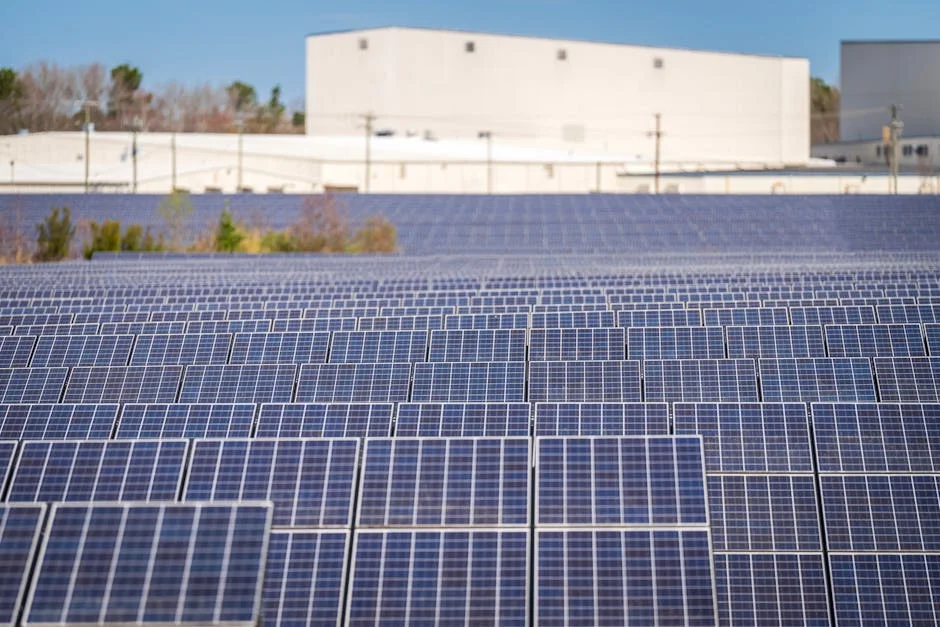
The conflict stems from Eskom’s need to stabilize its revenue streams as more consumers disconnect from the main grid. When households install solar inverters, they often export excess energy back into the grid or simply reduce their consumption during peak hours. This reduces the total kilowatt-hours billed to Eskom, squeezing the utility’s cash flow.
Eskom has hinted at introducing a "solar tax" or increasing the fixed monthly service charge for connections with inverters. This means that even if a household uses less electricity from the grid, their monthly bill could remain high or even increase. The strategy aims to penalize those who rely less on the traditional grid, forcing them to contribute more to the maintenance of the shared infrastructure.
This approach has sparked outrage among consumers who view solar power as a lifeline during prolonged blackouts. The utility’s stance reveals a deeper structural problem within the South African energy sector. It highlights the struggle of a state monopoly to adapt to a decentralized energy market driven by technology and consumer demand.
Direct Impact on South African Households
Citizens in cities like Johannesburg and Cape Town are feeling the pressure immediately. Many homeowners have spent thousands of rands on solar setups to ensure their fridges stay cold and their lights stay on. The threat of higher bills undermines the financial benefits of these investments.
For middle-class families, the decision to go solar was driven by the cost of living crisis. With electricity tariffs rising annually, solar panels offered a way to lock in lower energy costs over time. However, Eskom’s new strategy could erase these savings, forcing families to reconsider their energy strategies.
Small businesses are also caught in the crossfire. Shops and offices that rely on solar power to keep operations running during load shedding now face uncertainty. If the utility imposes steep penalties, these businesses may have to pass the costs on to customers, leading to higher prices for goods and services.
The social impact is profound. Energy poverty affects millions of South Africans, and solar power has been a tool for empowerment. By targeting residential solar, Eskom risks alienating the very consumers who are trying to take control of their energy destiny. This could lead to increased friction between the state and its citizens.
Financial Consequences for Consumers
The financial implications are significant for those who have already invested in solar technology. Homeowners may need to calculate the return on investment more carefully. If the fixed charges rise, the break-even point for solar panels could shift from five years to seven or eight years.
Consumers are also looking at battery storage as a way to mitigate these costs. By storing energy instead of exporting it to the grid, households can minimize their reliance on Eskom’s peak tariffs. This trend is driving up demand for lithium-ion batteries, further boosting the local renewable energy market.
Regional Implications for Nigeria
The situation in South Africa offers critical lessons for Nigeria, where the power sector faces similar challenges. Many Nigerian households in Lagos and Abuja are turning to solar energy to cope with the inconsistency of the national grid. Understanding how solar energy affects Nigeria is essential for policymakers and consumers alike.
Nigeria’s electricity distribution companies are watching Eskom’s moves closely. If South Africa successfully implements a solar tax, Nigerian distributors may consider similar measures to boost their revenue. This could influence how solar energy explained concepts are communicated to the Nigerian public.
The ZA impact on Nigeria is not just about tariffs; it is about policy direction. South Africa is often seen as a testing ground for energy policies in Africa. If Eskom’s strategy works, it could become a model for other African nations seeking to balance grid stability with renewable energy adoption.
However, if the South African approach leads to consumer backlash, it serves as a warning for Nigeria. Nigerian regulators must ensure that any new policies encourage, rather than hinder, the adoption of solar energy. The goal should be to integrate solar power into the grid, not to fight it.
How ZA Affects Nigeria’s Energy Strategy
Nigeria’s energy sector is at a crossroads. The country has abundant solar resources, yet the national grid remains fragile. The example set by South Africa shows that without proper policy frameworks, the relationship between the grid operator and solar consumers can become contentious.
ZA explained in the context of energy policy highlights the importance of feed-in tariffs and net metering. These mechanisms allow solar users to sell excess power back to the grid, creating a symbiotic relationship. Without such incentives, consumers may view the grid as an enemy rather than a partner.
Nigerian policymakers must learn from both the successes and failures in South Africa. The goal should be to create an environment where solar energy complements the national grid, reducing the burden on power plants and improving reliability for all users.
Investors in the Nigerian solar market are also paying attention. If South Africa’s regulatory environment becomes too hostile, it could affect investor confidence across the continent. Conversely, if South Africa finds a balanced approach, it could attract more foreign direct investment into renewable energy projects in Nigeria.
Community Response and Social Dynamics
In South Africa, community responses have been mixed but increasingly vocal. Neighborhood associations are forming to lobby against Eskom’s proposed changes. Social media campaigns have gained traction, with homeowners sharing their bills and experiences to highlight the potential unfairness of the new tariffs.
The social dynamic is shifting towards greater energy independence. Communities are exploring microgrids and community solar projects to reduce their reliance on the main grid. This trend is not just about cost; it is about resilience and control over daily life.
For Nigerian communities, this reinforces the importance of collective action. Neighborhoods in urban centers are beginning to look at shared solar solutions. The success of these initiatives depends on clear policies and supportive regulatory frameworks.
The social impact extends beyond economics. Energy access is a social determinant of health, education, and economic opportunity. When citizens take control of their energy supply, they gain greater stability and predictability in their daily lives.
Looking Ahead: What to Watch Next
The next few months will be crucial in determining the outcome of this energy conflict. Eskom is expected to present detailed proposals for the new tariffs and regulations. Consumers and industry experts will need to analyze these proposals to understand their full financial impact.
Nigerian regulators should monitor these developments closely. The decisions made in South Africa could set a precedent for the entire continent. Policymakers in Nigeria have the opportunity to craft a more balanced approach that encourages solar adoption while ensuring grid stability.
Consumers in both countries should stay informed and engaged. Understanding solar energy latest news is essential for making informed decisions about energy investments. The path forward requires collaboration between utility companies, policymakers, and consumers to create a sustainable energy future.
Watch for official announcements from Eskom regarding the implementation timeline of the new solar tariffs. Also, monitor responses from the Nigerian Ministry of Power as they assess the regional implications. The energy landscape in Africa is evolving rapidly, and the choices made today will shape the power sector for decades to come.
ZA explained in the context of energy policy highlights the importance of feed-in tariffs and net metering. Consumers and industry experts will need to analyze these proposals to understand their full financial impact.