TrustAfrica has launched a comprehensive review of political leadership across the continent, challenging governments to restore public faith in democratic institutions. This intervention comes at a critical juncture where citizens in Lagos, Nairobi, and Accra are questioning the tangible benefits of their voting power. The organization’s latest assessment highlights a growing disconnect between political elites and the everyday realities of ordinary Africans.
The Erosion of Public Trust
The core issue facing African democracies today is not just about who holds office, but how those in power conduct themselves. TrustAfrica’s analysis points to a steady decline in institutional confidence over the last decade. Citizens are increasingly frustrated by the slow pace of reform and the persistence of bureaucratic inefficiencies. This frustration is visible in the streets of major cities where protests have become a regular feature of political life.
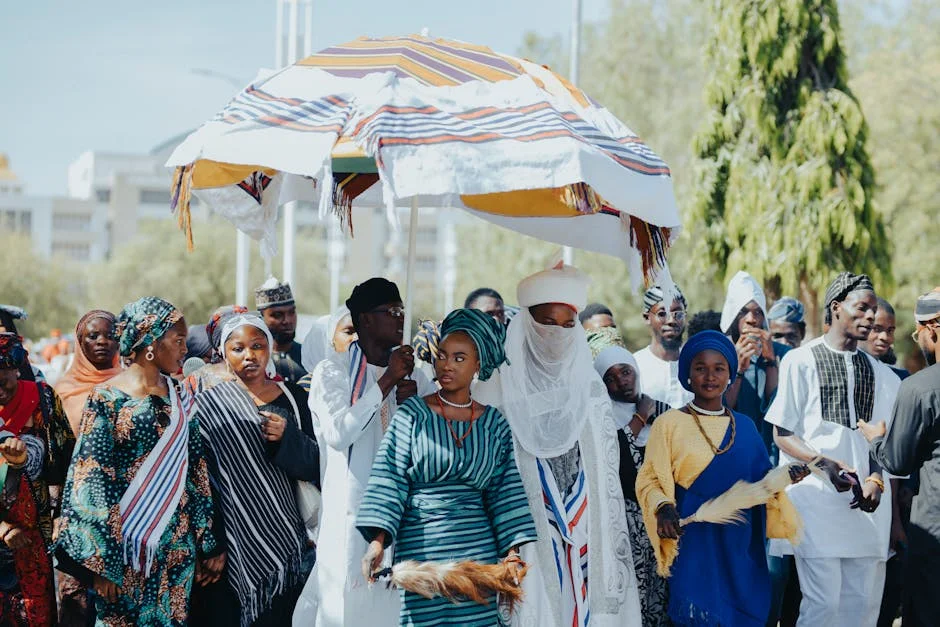
In Nigeria, for example, the gap between campaign promises and delivered services has widened. Many voters feel that their ballots have lost their potency, leading to lower turnout in recent local elections. The report emphasizes that without addressing these systemic issues, the stability of the region’s largest economy could be at risk. Political stability is not just a metric for investors; it is a daily necessity for small business owners and civil servants alike.
The organization argues that governance is not merely a top-down exercise. It requires active participation from communities and a responsive state. When citizens feel unheard, social cohesion begins to fray. This social friction can lead to economic stagnation as consumer confidence drops and foreign investment becomes more cautious. The stakes are high for communities that rely on stable political environments to plan for the future.
Local Economic Consequences
Political instability has a direct and measurable impact on local economies. When governance fails, the cost of doing business rises sharply. In Kenya, recent policy shifts have affected smallholder farmers who depend on clear, consistent agricultural subsidies. These farmers report that changing regulations make it difficult to plan planting and harvesting cycles. The uncertainty forces them to sell produce at lower prices to cover immediate costs.
This economic pressure trickles down to urban centers. In Lagos, the price of basic commodities fluctuates based on political announcements and policy reversals. Small shop owners in markets like Balogun find it hard to predict their weekly expenses. They must constantly adjust prices, which can alienate regular customers. The lack of policy continuity creates a ripple effect that touches every household budget.
Foreign investors also watch these governance indicators closely. A country with weak institutions often sees its currency depreciate against the dollar. This depreciation makes imported goods more expensive for local consumers. The result is a higher cost of living for millions of people who did not directly cause the political instability. Communities bear the brunt of macroeconomic decisions made in capital cities.
Impact on Small Businesses
Small and medium-sized enterprises are the backbone of many African economies. These businesses are particularly vulnerable to changes in tax laws and regulatory frameworks. In Ghana, for instance, sudden changes in import duties have forced some retailers to close their doors. These closures lead to job losses, which further strain local communities. The unemployment rate rises, and social services become more crowded.
The report highlights that small businesses need predictable environments to thrive. They require clear guidelines on taxation, licensing, and infrastructure development. When governments fail to provide these basics, entrepreneurs are forced to operate in the shadows. This informalization of the economy reduces the tax base, creating a vicious cycle of underfunded public services and growing public discontent.
Civic Engagement and Community Response
Despite the challenges, there is a vibrant civic response emerging across the continent. Civil society organizations are stepping up to fill the gaps left by traditional governance structures. In South Africa, community-led initiatives are focusing on local service delivery and accountability. These groups organize town hall meetings to directly question local councilors and mayors. This direct engagement helps to keep local leaders accountable to their constituents.
Youth groups are also playing a crucial role in shaping the political landscape. Digital platforms have enabled young people to organize and mobilize faster than ever before. In Rwanda, young activists are using social media to highlight issues such as education quality and healthcare access. Their digital campaigns have forced government ministries to respond more quickly to public concerns. This shift demonstrates that power is no longer solely held by traditional political elites.
Community-based organizations are also working to improve local infrastructure where the state has lagged. In parts of Uganda, village savings and loan associations are funding small road repairs and school improvements. These grassroots efforts show that citizens are not waiting for top-down solutions. They are taking initiative to improve their immediate living conditions. This proactive approach builds resilience within communities.
Reforming Democratic Institutions
TrustAfrica’s report calls for specific reforms to strengthen democratic institutions. One key recommendation is the need for greater transparency in government spending. Citizens deserve to know how their tax money is being used. Implementing digital tracking systems for public projects can help reduce corruption and improve efficiency. These systems allow citizens to see the progress of roads, schools, and hospitals in their areas.
Another critical area for reform is the electoral process. Ensuring that elections are free, fair, and credible is essential for maintaining public trust. This includes independent election commissions and robust voter education campaigns. In Senegal, recent electoral reforms have helped to increase voter turnout and reduce post-election disputes. These changes have contributed to a more stable political environment. Other countries can learn from these successful models.
The report also emphasizes the importance of decentralization. Giving more power to local governments can improve service delivery and responsiveness. Local leaders are often closer to the people they serve and can make quicker decisions. This approach can help to address specific community needs more effectively than centralized planning. Decentralization empowers citizens to have a direct say in how their local resources are managed.
The Role of Technology in Governance
Technology offers new tools for improving governance and citizen engagement. Digital platforms can facilitate better communication between the government and the people. E-governance solutions can streamline services such as passport applications, tax payments, and business registrations. These digital tools reduce the time and money citizens spend on basic administrative tasks. They also reduce opportunities for petty corruption at the local level.
Data analytics can also help governments make more informed policy decisions. By analyzing data on health, education, and employment, leaders can target interventions more effectively. This data-driven approach can lead to better outcomes for citizens. For example, identifying areas with high unemployment can help governments design targeted job creation programs. These programs can have a direct impact on reducing poverty in specific regions.
However, technology is not a silver bullet. It requires investment in infrastructure and digital literacy. Without these foundations, digital governance tools may exclude those who are least connected. Ensuring that technology benefits all citizens is crucial for maintaining social equity. Governments must work to bridge the digital divide to ensure that no one is left behind in the transition to digital governance.
Looking Ahead: What Citizens Can Expect
The path to improved governance is long and requires sustained effort from both leaders and citizens. TrustAfrica’s report serves as a wake-up call for political elites to prioritize accountability and transparency. Citizens must remain engaged and hold their leaders to account through voting, protests, and civic participation. The coming months will be critical for several African nations preparing for major elections.
Readers should watch for policy announcements from key ministries in the next quarter. These announcements will likely include new measures to address the governance gaps identified in the report. Local community meetings and town halls will also provide opportunities for citizens to voice their concerns. Staying informed and engaged is the best way for individuals to influence the direction of their communities. The future of African democracy depends on the active participation of its people.
See Also
- Study Reveals Tree Planting Can Harm or Protect Africa's Environment
- Nigerian Authorities Approve 3G Pitch Despite Pollution Fears - What It Means For Development
What is the latest news about trustafrica challenges african leaders to fix broken governance?
Why does this matter for environment-nature?
What are the key facts about trustafrica challenges african leaders to fix broken governance?