The Nigerian Navy has seized a staggering 6,000 litres of smuggled Premium Motor Spirit (PMS) in a coordinated raid across Lagos State. This major operation targets the informal fuel trade that has long plagued the region’s transportation networks. The seizure represents a direct challenge to the syndicates that have kept fuel prices volatile for ordinary commuters.
Residents in Lagos have faced unpredictable fuel availability for months. The influx of smuggled PMS often undercuts official depot prices, creating confusion in the market. This latest intervention by the military aims to stabilize supply chains and reduce the burden on daily wage earners.
Details of the Port Harcourt and Lagos Raids
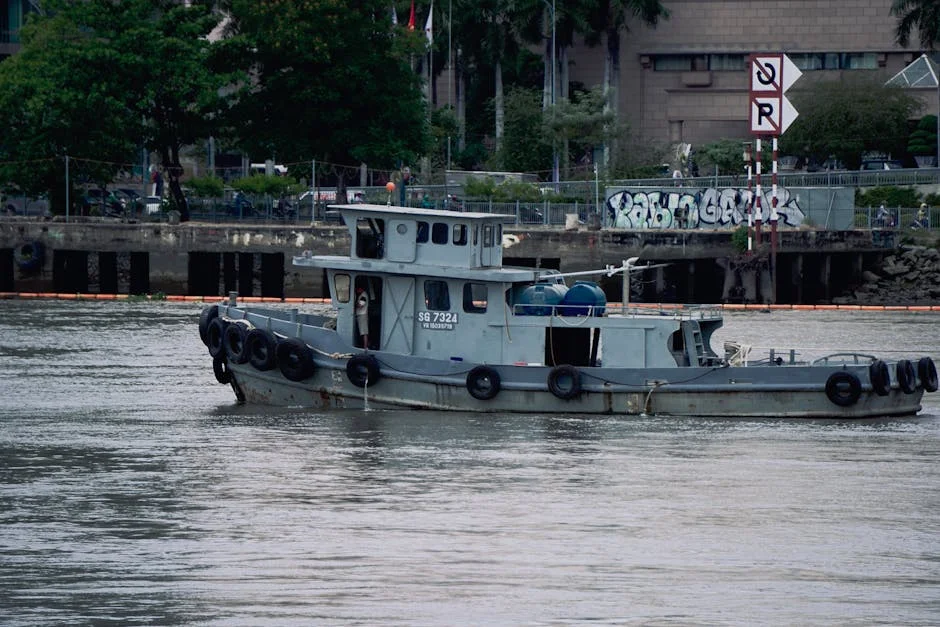
The operation unfolded in key logistics hubs within Lagos State. Naval officers moved swiftly to intercept trucks carrying the illicit fuel. These vehicles were found to be transporting PMS that had bypassed standard taxation and quality control measures. The scale of the seizure indicates a well-organized smuggling ring operating with relative impunity.
According to reports from Vanguard News, the fuel was being moved from coastal entry points into the mainland. The Navy confirmed that the 6,000 litres represent only a fraction of the daily flow of smuggled PMS. This data point highlights the urgency of the intervention. Authorities are now processing the seized goods to determine their origin and quality.
The raid also involved the detention of several key suspects. These individuals are expected to be paraded before the press in the coming days. Their testimonies could reveal how the smuggling networks have evaded detection for so long. The Navy has emphasized that this is not an isolated incident but part of a broader strategy.
Impact on Daily Life in Lagos Communities
The direct effect of this seizure is felt most acutely by commuters in Lagos. Fuel scarcity has become a daily anxiety for millions of residents. When smuggled fuel floods the market, it often leads to sudden price drops followed by sharp increases. This volatility makes budgeting difficult for households and small businesses alike.
Small business owners in Lagos rely on consistent fuel supply to keep their operations running. Generators are the backbone of many shops and offices in the region. A disruption in the smuggled fuel supply could initially cause price spikes. However, in the long term, it may lead to a more stable and transparent pricing structure.
Public transportation operators are also watching this development closely. Danfo bus drivers often purchase fuel from informal traders to save money. If these traders are forced out of the market, operators may need to adjust their fares. This adjustment could mean slightly higher costs for passengers but potentially more reliable service.
How Lagos The Navy Affects Nigeria’s Fuel MarketThe involvement of the Navy signals a shift in how fuel distribution is managed in Nigeria. Traditionally, the Ministry of Petroleum Resources has handled most regulatory duties. However, the Navy’s entry into the fray adds a military dimension to the economic challenge. This move is designed to enforce discipline in a sector known for its flexibility.
Lagos The Navy analysis Nigeria suggests that military intervention can quickly disrupt entrenched interests. Smuggling syndicates have often relied on bureaucratic delays to move their goods. The Navy’s speed and authority allow them to act faster than civilian agencies. This efficiency is crucial in a market where fuel moves quickly.
The broader implication for Nigeria is the potential for a more unified national strategy. If the Lagos model proves successful, other states may adopt similar tactics. This could lead to a nationwide reduction in fuel smuggling. A more regulated market would benefit the federal government through increased tax revenues.
Challenges in Enforcing Fuel Regulations
Enforcing fuel regulations in Nigeria is not without its challenges. Corruption remains a significant hurdle in the sector. Smugglers often pay off officials to ensure a smooth passage for their goods. The Navy must maintain high levels of integrity to prevent the resurgence of these informal payments.
Another challenge is the sheer volume of fuel consumed in Lagos. The state is the commercial hub of Nigeria, and demand is relentless. Even with the seizure of 6,000 litres, the market may quickly absorb the shock. Sustained pressure is required to see a lasting impact on prices and availability.
Public perception also plays a role in the success of these operations. If citizens view the Navy as too aggressive or inconsistent, support may wane. Clear communication about the benefits of the raid is essential. The Navy has begun to use social media to update the public on their progress.
Economic Consequences for Local Businesses
The seizure of smuggled fuel has immediate economic consequences for local businesses. Many retailers in Lagos have built their supply chains around informal traders. These traders offer flexible payment terms and consistent availability. The sudden removal of this supply source forces businesses to adapt quickly.
Small and medium enterprises (SMEs) are particularly vulnerable to these changes. They often lack the bargaining power to secure fuel from official depots. As a result, they may face higher costs in the short term. This cost increase could be passed on to consumers, leading to a slight rise in the cost of living.
However, the long-term outlook for businesses is positive. A more regulated market reduces the risk of sudden supply shocks. Businesses can plan their budgets with greater certainty. This stability is crucial for investment and growth in the Lagos economy. The Navy’s intervention is a step toward this desired stability.
Community Response and Public Sentiment
The community response to the Navy’s raid has been largely positive. Many residents have welcomed the intervention as a necessary step. Social media platforms have been flooded with comments praising the Navy’s efficiency. This public support gives the military the mandate to continue their aggressive tactics.
However, some skepticism remains. Many Lagosians have seen previous interventions that failed to deliver lasting change. There is a concern that the smuggling syndicates will simply adapt to the new pressure. This skepticism is healthy and keeps the authorities accountable. It ensures that the Navy does not become complacent.
Local community leaders have also weighed in on the situation. They have called for transparency in how the seized fuel is handled. There is a fear that some of the fuel could be diverted back into the informal market. The Navy has promised to publish detailed reports on the disposition of the seized PMS.
What to Watch Next in the Lagos Fuel Crisis
The next few weeks will be critical in determining the success of this operation. Residents should watch for changes in fuel prices at local stations. A sustained drop in prices would indicate that the Navy’s intervention is working. Conversely, a sudden spike would suggest that the market is still in flux.
Another key indicator is the release of official statements from the Navy. These statements will provide more details on the suspects and the logistics of the smuggling ring. The processing of the suspects will also be a key event to monitor. Their testimonies could reveal deeper insights into the fuel market.
Finally, the response from the Ministry of Petroleum Resources will be important. The Ministry may choose to coordinate more closely with the Navy. This collaboration could lead to a more comprehensive strategy for managing fuel distribution in Lagos. Citizens should stay informed through reliable sources like Vanguard News to track these developments.
See Also
- British Council Expands Film Lab Africa to Nigeria — 20 New Filmmakers Chosen
- Cito Celebrates 30 Years of WONDERboom: A Musical Evolution That Inspires